Marine Chock
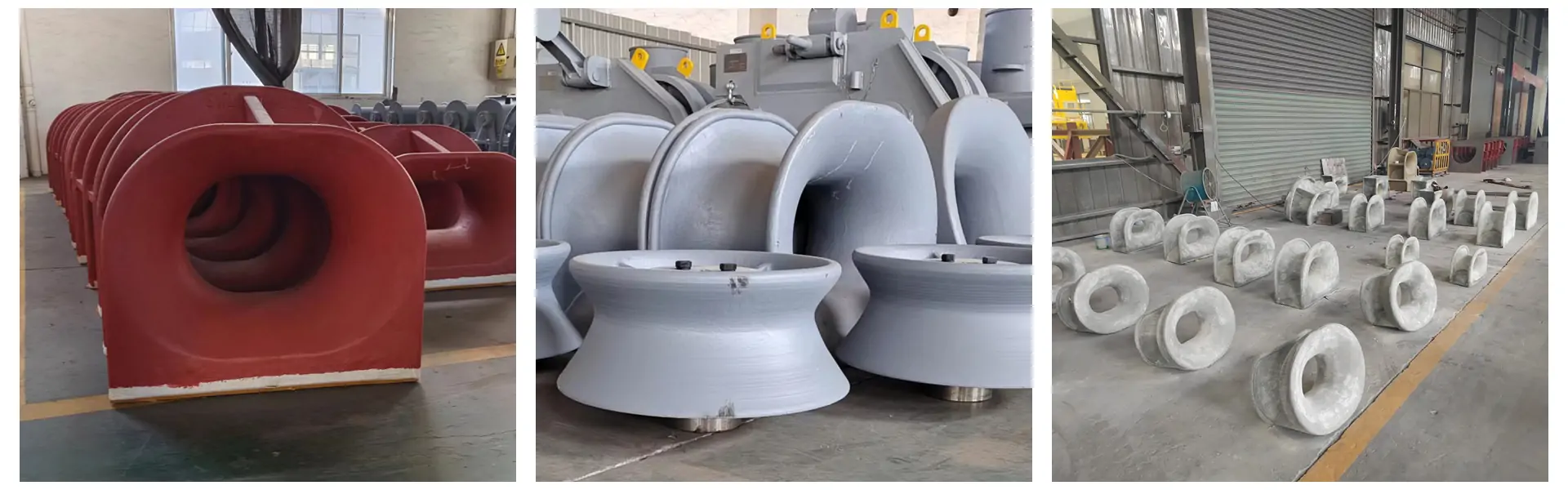
Durable Marine Chocks for Safer and More Efficient Mooring
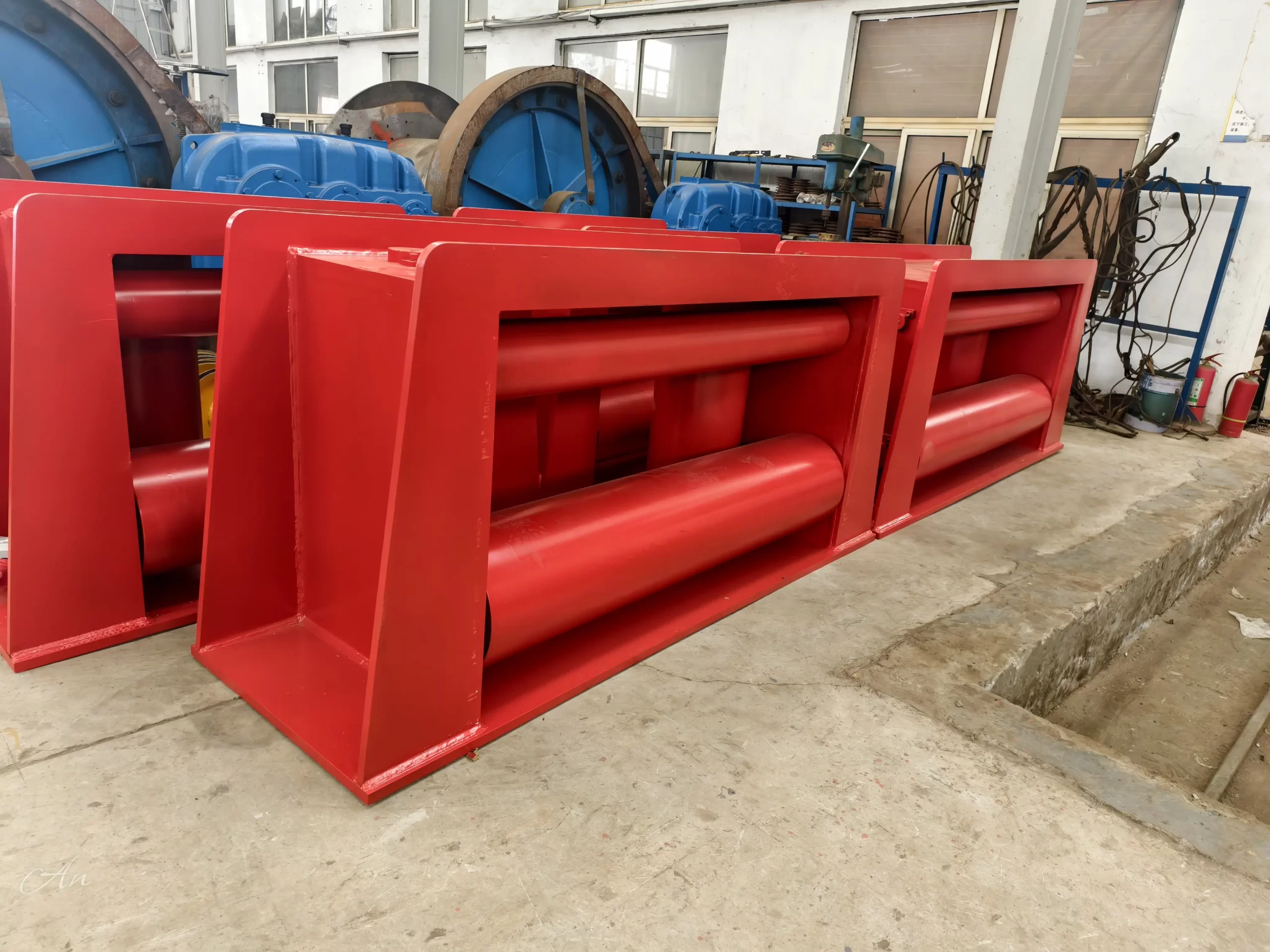
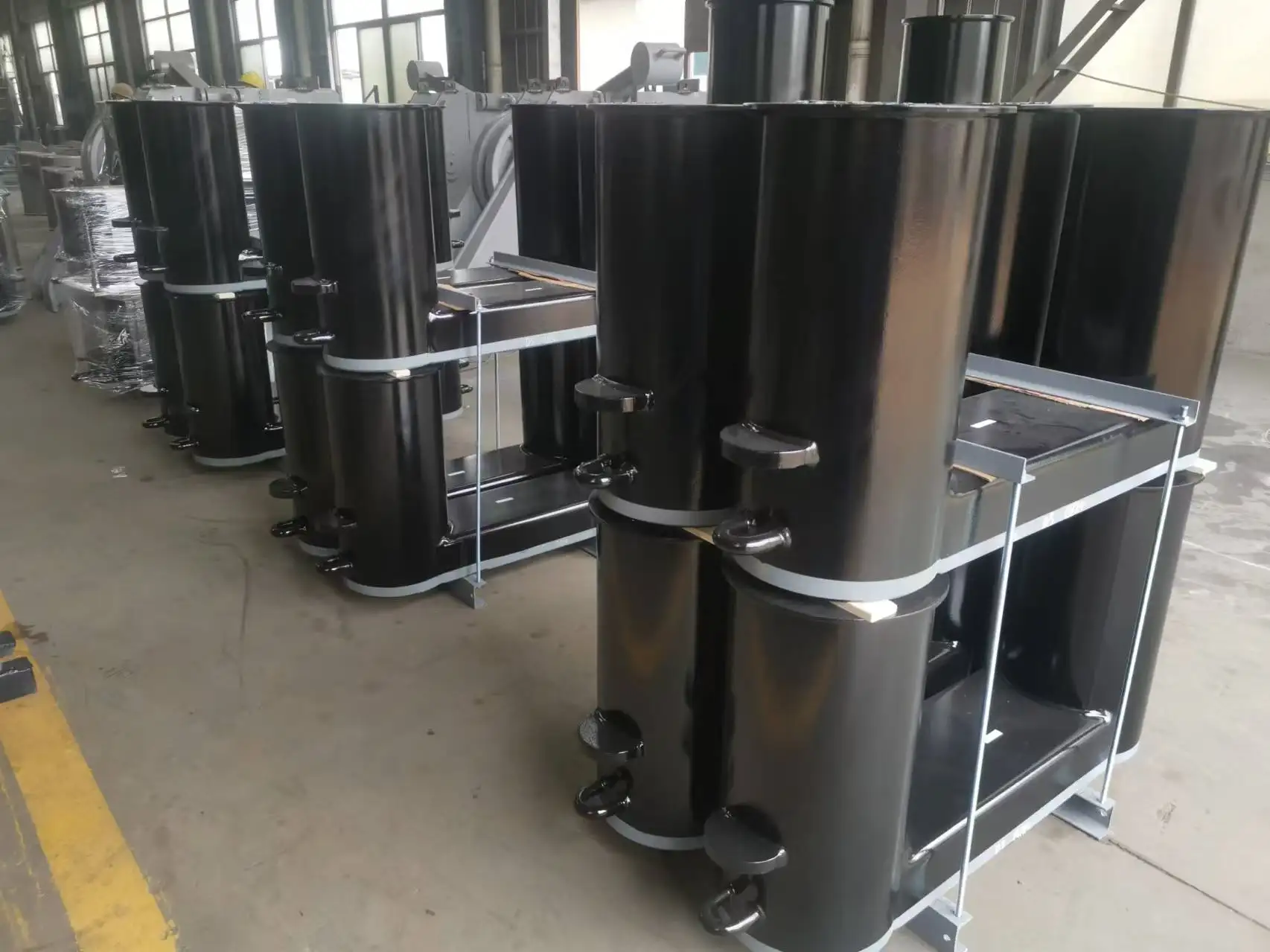
A marine chock is an essential piece of marine deck equipment designed to guide mooring lines safely across a vessel or quay. By controlling the lead angle and reducing contact with sharp edges, marine chocks help protect ropes, improve line handling, and increase the safety of every mooring operation.
NYBON Marine manufactures high-quality marine chocks for commercial vessels, shipyards, ports and offshore facilities. Built for strength and long service life, our chocks are available in a variety of designs to suit different mooring systems and installation requirements.
What Is a Marine Chock?
A marine chock is a fixed deck fitting used to guide mooring ropes or wire ropes while protecting them from excessive friction and abrasion.
Unlike a marine bollard, which secures the rope, or a fairlead, which uses rollers to change the rope direction, a marine chock provides a smooth opening that keeps the mooring line aligned and helps maintain a safe lead angle.
Marine chocks are commonly installed on:
- Cargo Ships
- Container Vessels
- Tankers
- Tugboats
- Offshore Support Vessels
- Port Quays
- Floating Docks
Why Marine Chocks Are Important
Mooring lines are exposed to heavy loads during docking, tidal changes, and vessel movement. If ropes pass over rough edges or incorrect lead angles, they can wear quickly or even become damaged.A properly designed marine chock helps:
- Guide ropes safely
- Reduce rope abrasion
- Maintain correct lead angles
- Improve mooring efficiency
- Extend rope service life
It is an important part of every modern marine mooring system.
Working Principle Diagram—Mooring Winch→Mooring Rope→Marine Chock→Marine Bollard
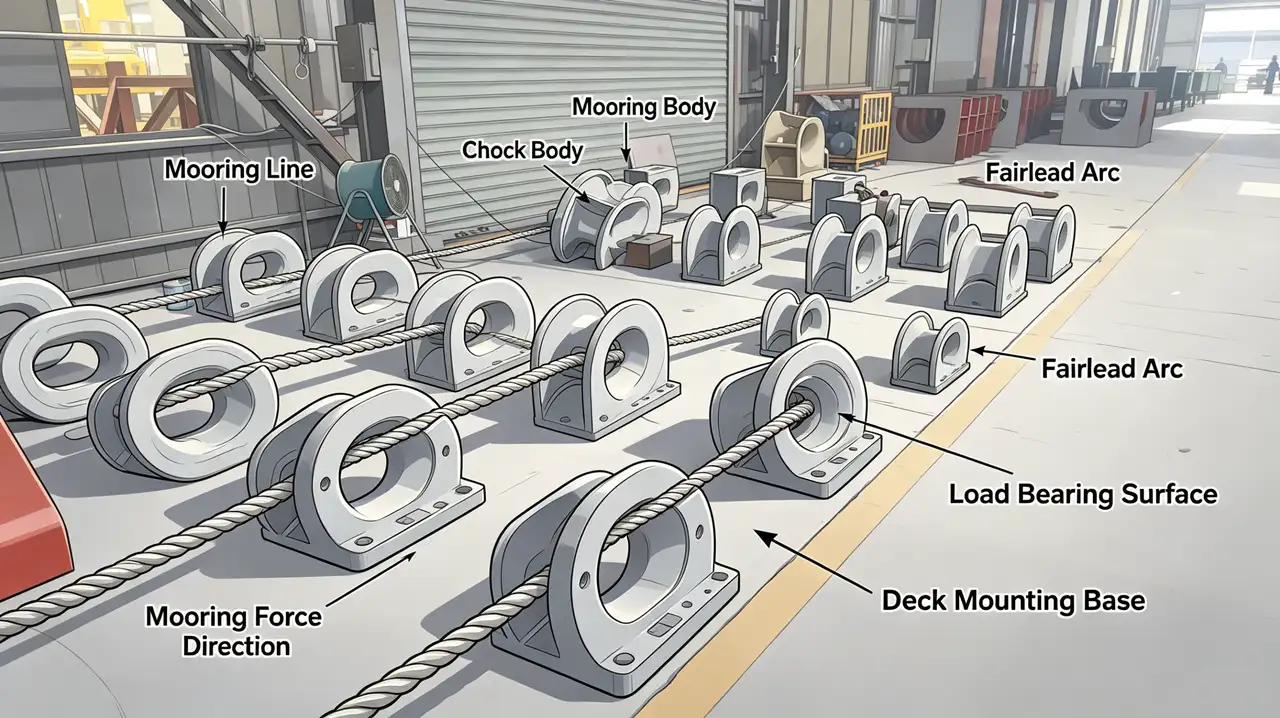
How Marine Chocks Help Extend Rope Service Life
Mooring ropes are a significant investment for any vessel or port facility. Excessive friction, sharp lead angles and repeated movement can shorten their service life. A properly designed marine chock helps guide the rope smoothly, reducing localized wear and distributing loads more evenly. When combined with suitable fairleads, bollards and mooring winches, marine chocks contribute to a safer and more efficient mooring system while lowering long-term maintenance costs.
Types of Marine Chocks
NYBON Marine supplies different marine chock designs to meet international standards and project requirements.
Panama Chock
Designed according to Panama Canal requirements for safe and efficient line handling.
- Container ships
- Bulk carriers
- Ocean-going vessels
Closed Chock
Provides maximum rope protection by enclosing the line path.
- Offshore vessels
- Heavy-duty mooring
- Rough sea conditions
Open Chock
Offers easy rope handling for general marine applications.
- Commercial ships
- Shipyards
- Harbor operations
Universal Chock
Suitable for a wide range of vessel layouts and mooring arrangements.
Typical Applications
Commercial Shipping
Ensures safe rope guidance during berthing and departure.
Port & Harbor Facilities
Supports frequent mooring operations while minimizing rope wear.
Provides dependable rope control in harsh marine environments.
Installed during new vessel construction and retrofit projects.
Marine Engineering
Used in offshore construction vessels and floating structures.
Advantages of Our Marine Chocks
Engineered for demanding marine environments, our marine chocks offer dependable performance and long-term durability.
Key Benefits
- Smooth rope guidance
- Reduced rope wear
- Heavy-duty steel construction
- Corrosion-resistant coating
- Easy installation
- OEM customization available
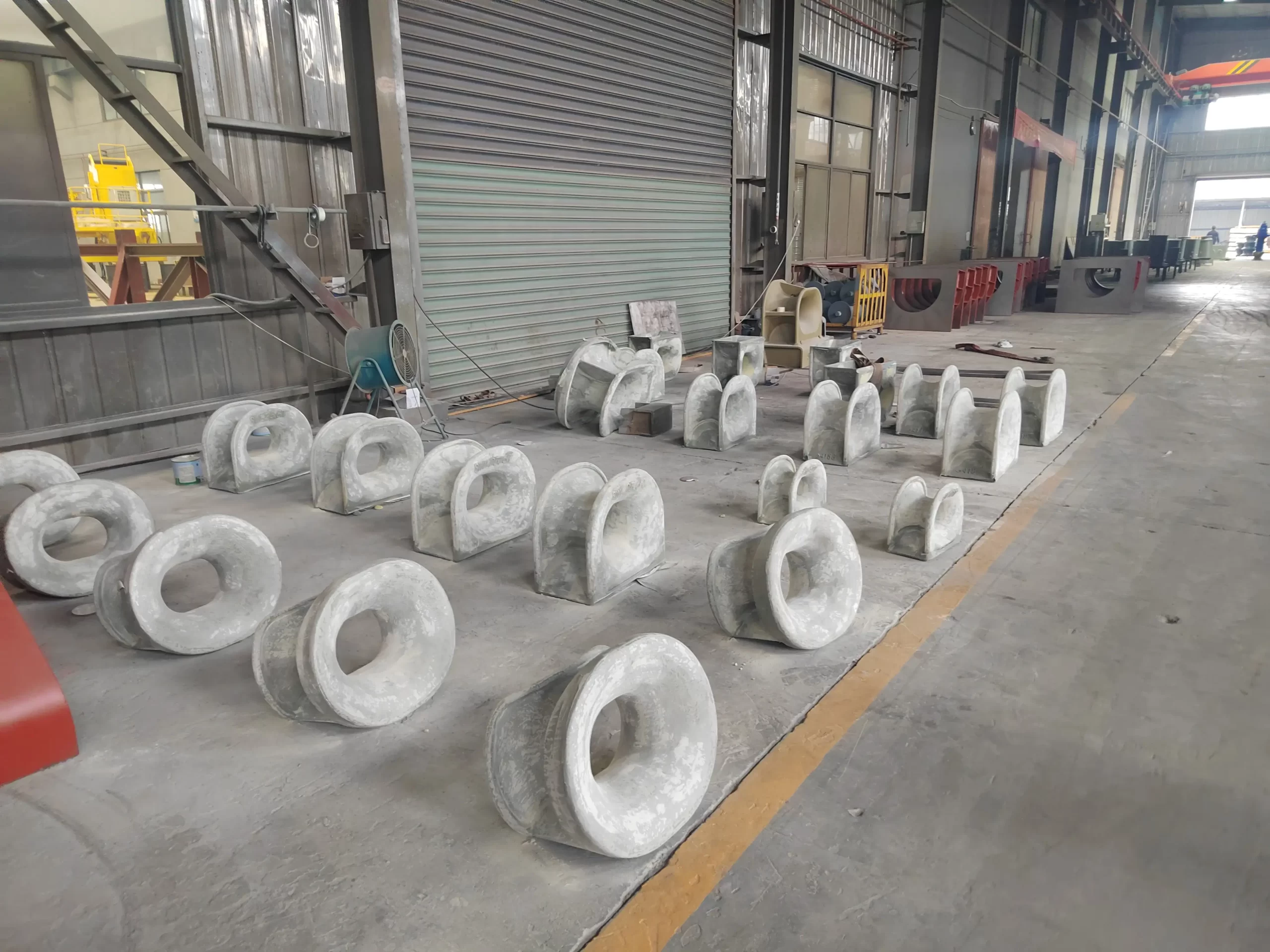
Industry Insights: Why Rope Lead Angle Matters
One of the most overlooked factors in mooring safety is the lead angle of the rope. Excessive angles increase friction, accelerate rope wear, and place unnecessary stress on both the rope and deck fittings.
A properly positioned marine chock helps maintain a smooth rope path, reducing side loads and extending the service life of synthetic fiber ropes and steel wire ropes. This is why marine chocks are widely used alongside fairleads, bollards, and mooring winches in modern marine mooring systems.
For other marine outfittings:
Technical Specifications
| Safe Working Load (SWL) | 20–300 tons |
|---|---|
| Chock Type | Panama / Closed / Open / Universal |
| Material | Cast Steel / Cast Iron |
| Surface Finish | Epoxy Marine Paint |
| Installation | Deck Mounted / Quay Mounted |
| Design Standard | ISO 13713 / JIS F2005 / Customer Specification |
| OEM Service | Available |
Just For Your Trust
How to Choose the Right Marine Chock
Customized Marine Chock Solutions
NYBON Marine provides customized marine chocks based on:
- Chock type
- SWL requirements
- Installation dimensions
- Material selection
- Surface treatment
- Customer drawings
Whether for commercial vessels, offshore platforms, or port infrastructure, we deliver practical solutions tailored to your project.
Every marine chock is manufactured under strict quality management procedures to ensure reliable performance in demanding marine environments.
Our production process includes:
- Raw material inspection
- Casting verification
- Precision machining
- Dimensional inspection
- Coating inspection
- Final quality check
Every product is carefully inspected before shipment.
Frequently Asked Questions
What is the difference between a marine chock and a fairlead?
A marine chock guides the rope through a fixed opening, while a fairlead often uses rollers to reduce friction and change the rope direction. Both are important components of a marine mooring system.
Which standard do your marine chocks follow?
Our products can be manufactured according to ISO, JIS, or customer specifications.
Can marine chocks be customized?
Yes. Dimensions, load capacity, mounting details and coatings can all be customized.
Are your marine chocks suitable for offshore projects?
Yes. We manufacture heavy-duty marine chocks for offshore platforms and marine engineering applications.
Do you provide complete mooring equipment?
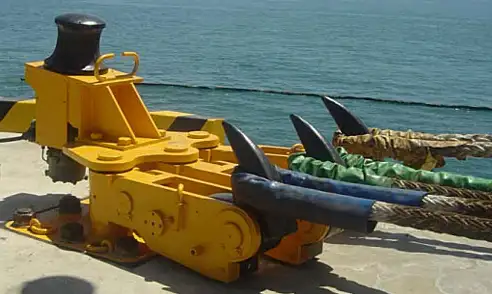
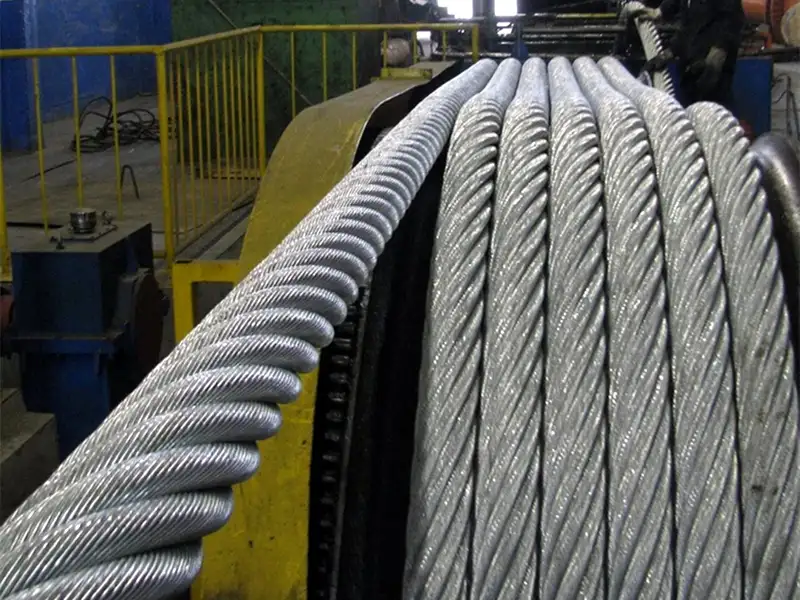
Yes. We also supply marine bollards, fairleads, quick-release hooks, wire ropes, synthetic fiber ropes, and marine winches.