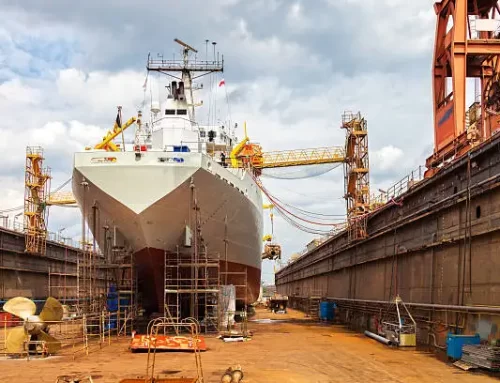
Moving a large vessel inside a shipyard is a major engineering challenge.
A completed ship can weigh hundreds or even thousands of tons, making traditional lifting methods impossible in many situations.
Instead of relying only on cranes, shipyards use different methods to move, launch, and reposition vessels safely.
The right solution depends on vessel size, yard conditions and project requirements.
Why Moving Large Ships Is Difficult
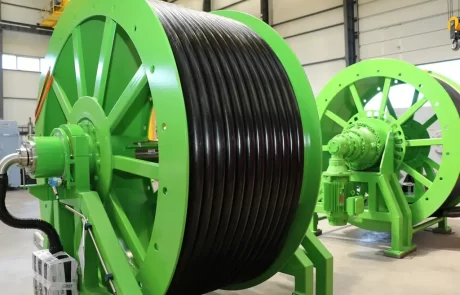
An umbilical cable is a specially designed connection system used in subsea applications.
Unlike a simple electrical cable, an offshore umbilical may contain multiple elements, such as:
- Power lines
- Communication cables
- Hydraulic hoses
- Fiber optic lines
- Protective layers
The exact structure depends on the application and operating environment.
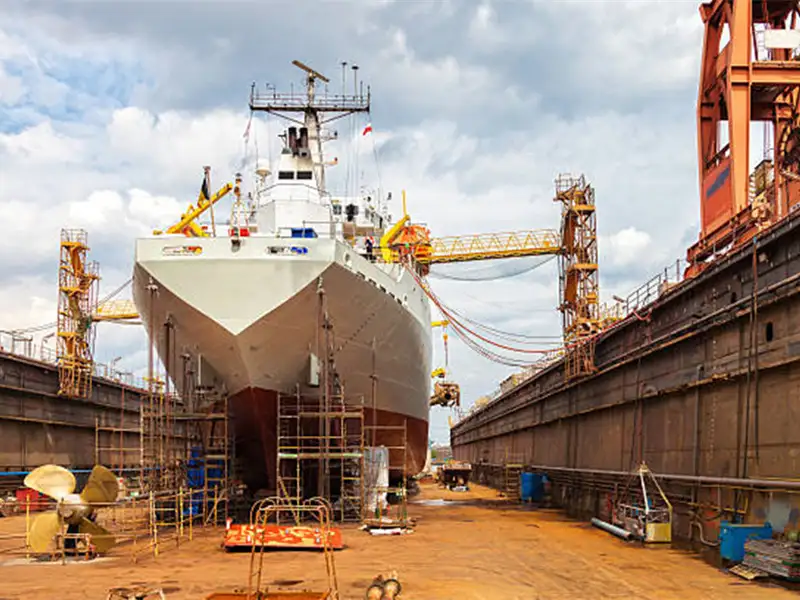
Common Methods Used to Move Ships
Different shipyards use different methods depending on their facilities.
Common approaches include:
- Ship launching systems
- Marine airbags
- Transfer systems
- Floating docks
- Specialized transport equipment
Each method has advantages depending on the working environment.
Using Marine Airbags for Ship Movement
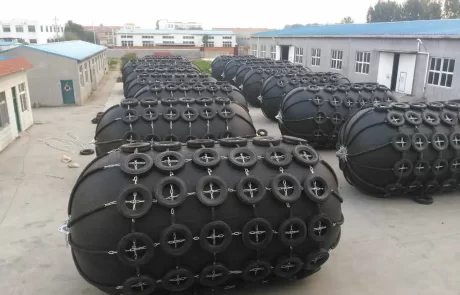
Marine airbags are widely used in shipyards because they provide a flexible solution for vessel launching and relocation.The basic idea is simple:
High-strength airbags are positioned under the vessel, then inflated to create a controlled rolling surface.
This allows the ship to move gradually with the help of pulling equipment. Benefits include:
- Lower infrastructure requirements
- Flexible operation
- Suitable for different shipyard layouts
- Reduced dependence on permanent launching facilities
This method is especially useful for ship repair yards and smaller shipbuilding facilities.
Why Some Shipyards Prefer Flexible Solutions
Building permanent ship-moving infrastructure requires significant investment. Large slipways, dry docks, and heavy lifting systems are not practical for every shipyard.
Flexible solutions allow yards to:
- Handle different vessel sizes
- Reduce construction costs
- Improve project flexibility
- Use existing space more efficiently
For many projects, adaptability is just as important as lifting capacity.
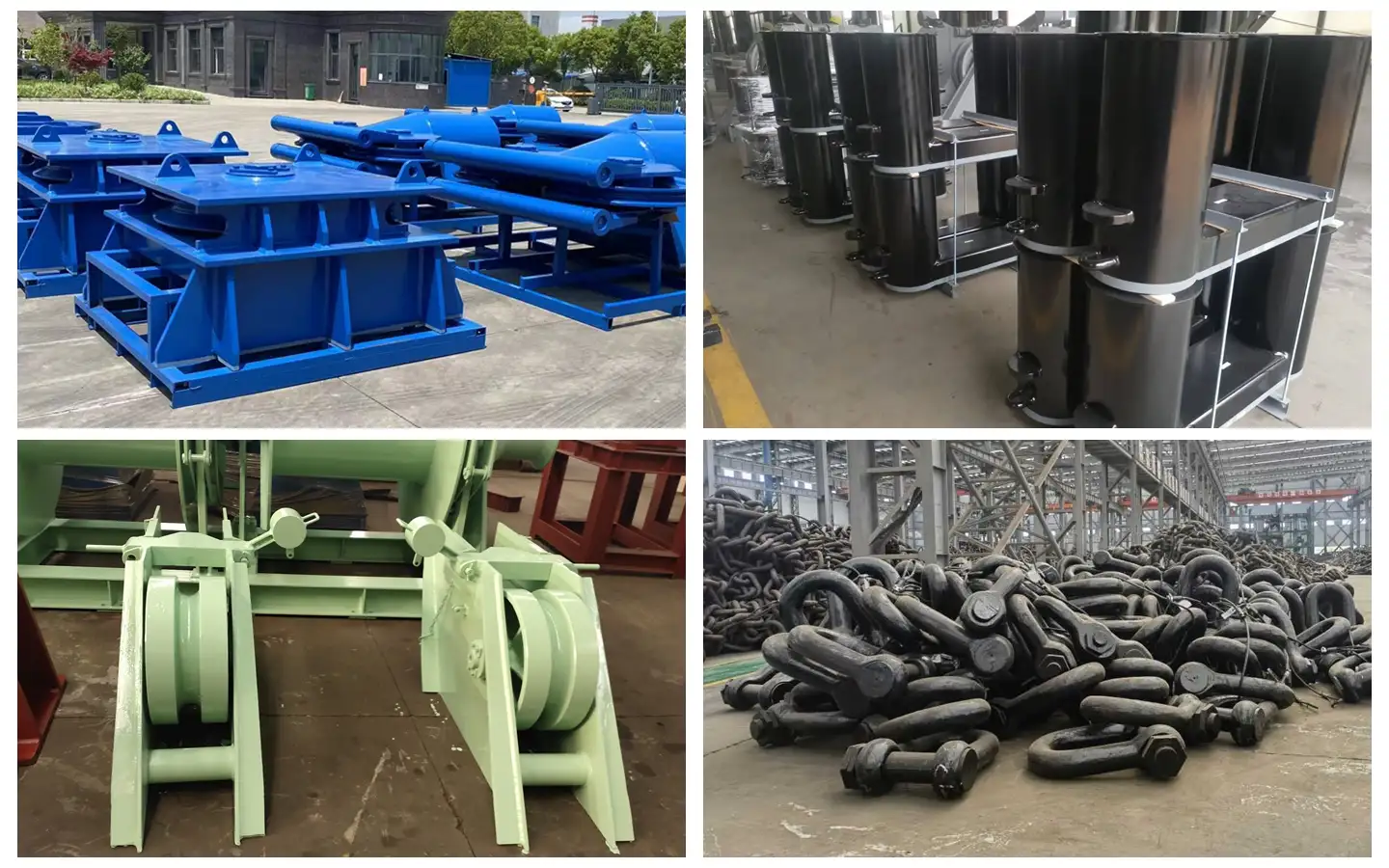
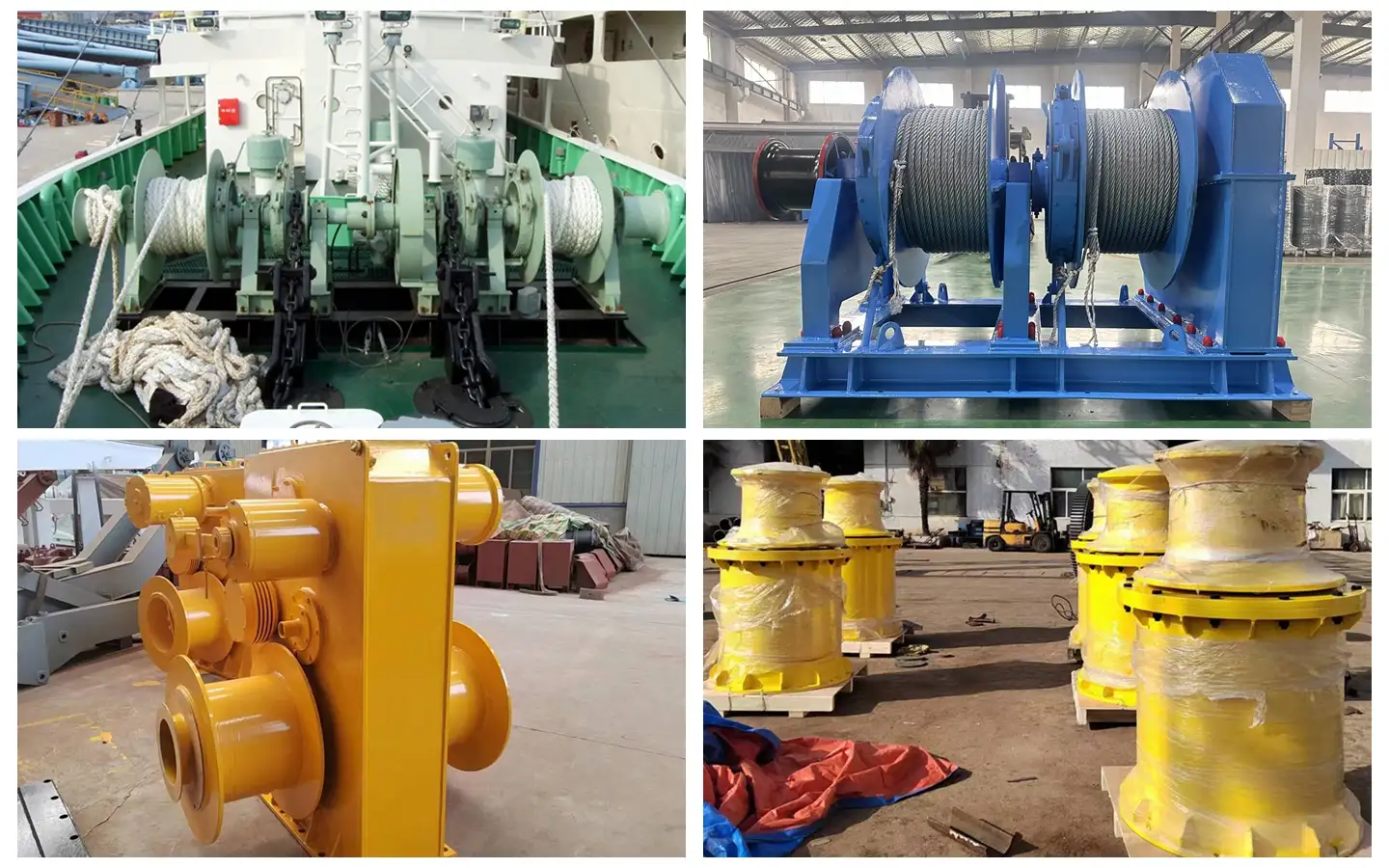
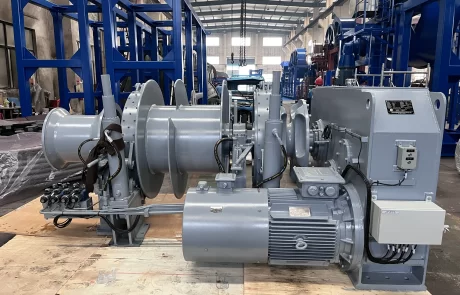
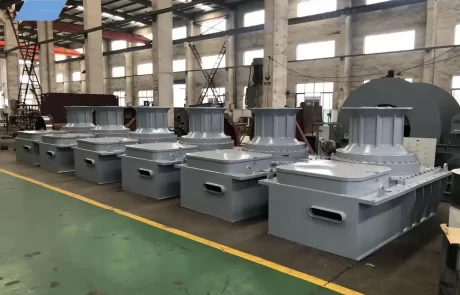
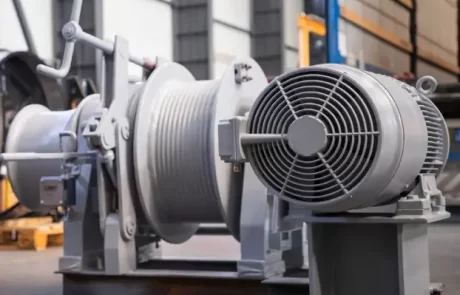
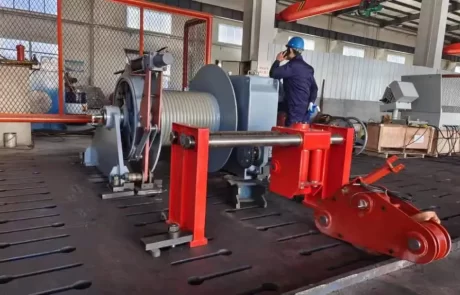
The Importance of Pulling and Control Equipment
Moving a vessel is not only about reducing friction.
The ship must also be controlled during the entire process.
Important equipment may include:
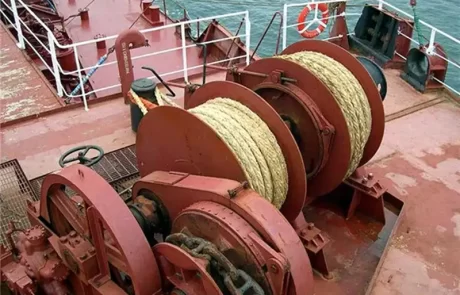
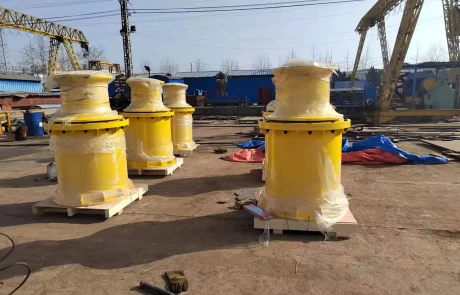
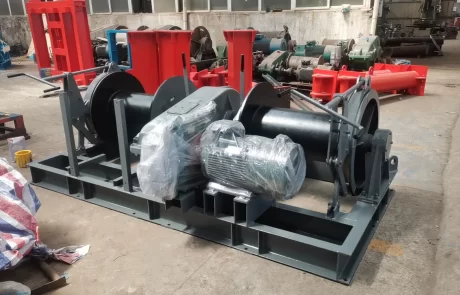
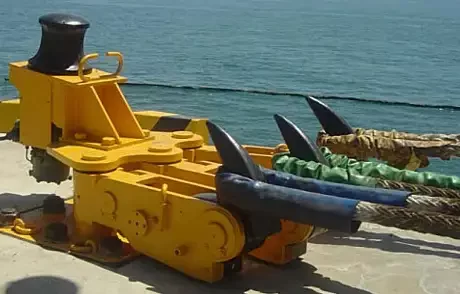
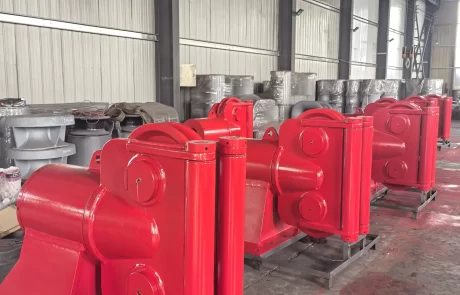
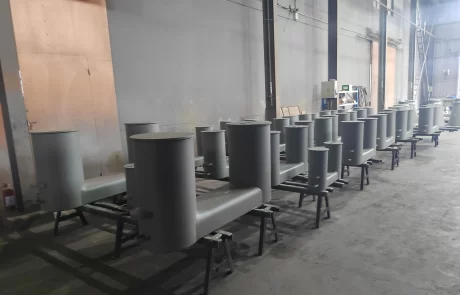
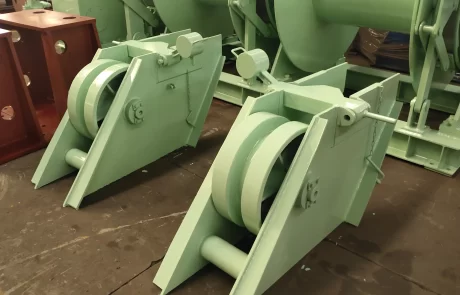
- Winches
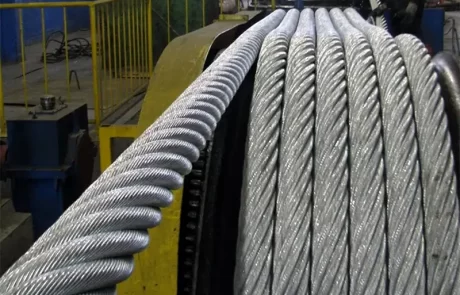
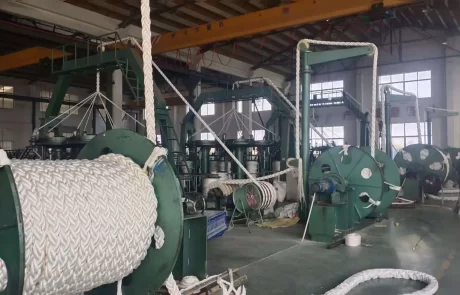
- Wire ropes
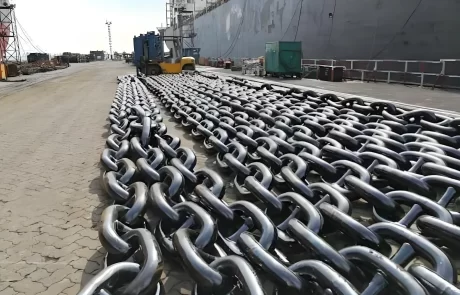
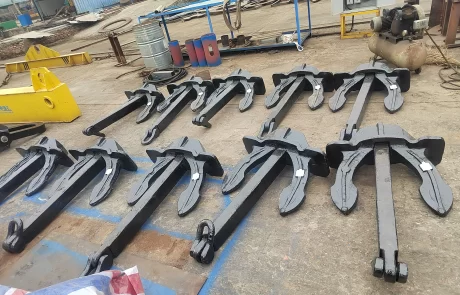
- Anchoring systems
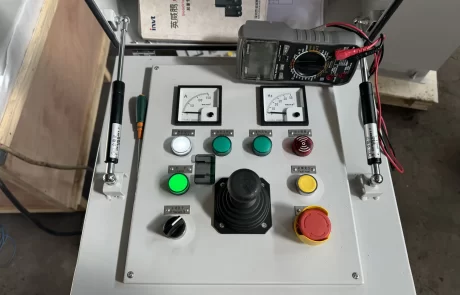
- Safety monitoring equipment
A reliable pulling system helps control movement speed and improves operational safety.
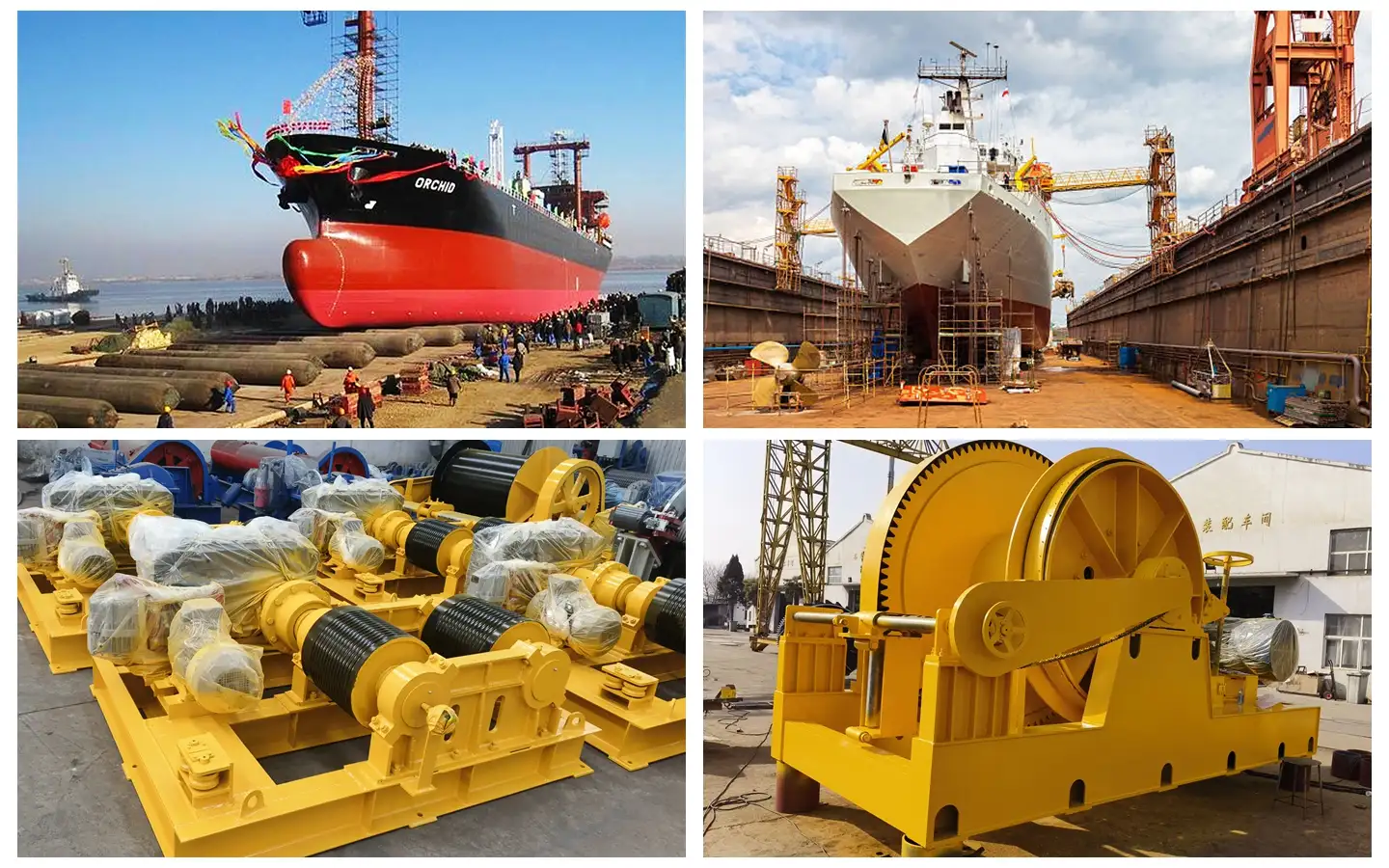
Factors Shipyards Should Consider Before Moving a Vessel
Before choosing a method, engineers usually evaluate:
Vessel Weight—The total load determines equipment requirements.
Hull Condition—The hull structure must be suitable for the planned movement method.
Ground Conditions—The working surface affects stability and movement efficiency.
Available Equipment—Existing facilities may influence the final solution.
Future Projects—Reusable equipment can provide better long-term value.
Ship Movement Is a Team Effort
Successful ship movement requires cooperation between:
- Shipyard engineers
- Equipment suppliers
- Operators
- Safety teams
The equipment is important, but proper planning and communication are equally necessary.
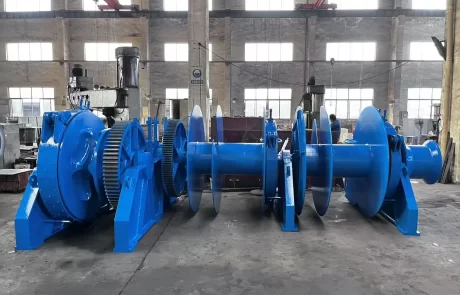
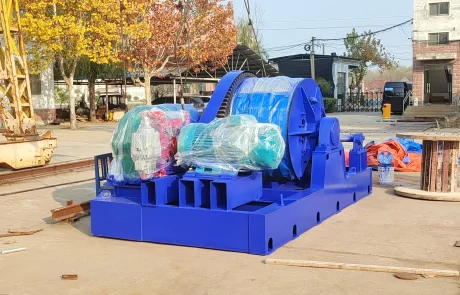

Moving large ships requires careful engineering and suitable equipment.
While heavy cranes are useful in some applications, many shipyards use flexible solutions such as marine airbags, winches and specialized handling systems to complete vessel movement safely.
Choosing the right method helps shipyards reduce costs, improve efficiency and handle more projects.
FAQ
Can large ships be moved without cranes?
Yes. Many shipyards use methods such as marine airbags, slipway systems, and specialized transport equipment.
Are marine airbags only used for ship launching?
No. Marine airbags can also be used for ship relocation, ship repair projects and vessel movement operations.
What equipment is needed to move a ship?
The required equipment depends on the project, but may include airbags, winches, wire ropes, supports and safety systems.
Are marine airbags suitable for ship repair yards?
Yes. They are commonly used in ship repair yards because they require less permanent infrastructure compared with traditional systems.