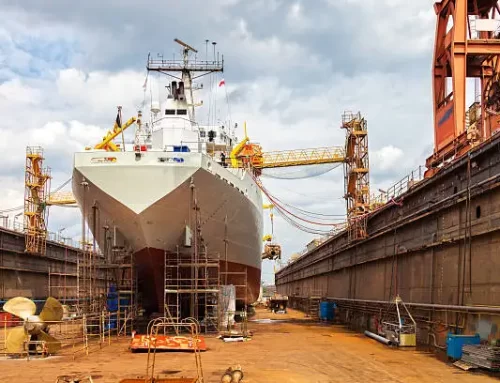
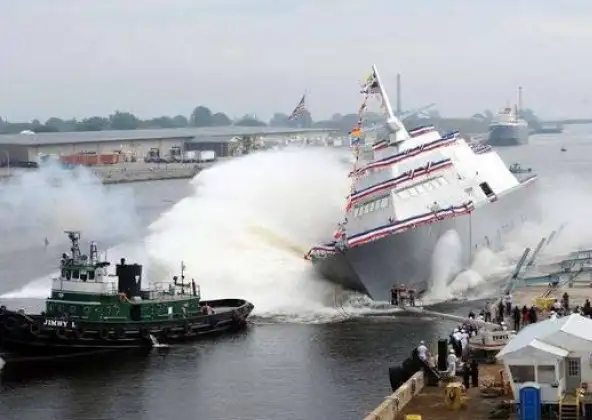
Launching a newly built vessel is one of the most important moments in a shipbuilding project.
After months of construction, the ship must be transferred from the building area into the water safely. Unlike many other industrial operations, ship launching involves a huge structure moving under changing forces, which requires careful preparation and control.
A successful launch depends on more than equipment. Planning, site conditions and operating procedures all play important roles.
Why Ship Launching Requires Careful Planning
A ship launch involves many factors that must work together. Before the operation begins, shipyards usually evaluate:
- Vessel weight
- Hull condition
- Launching direction
- Water depth
- Ground conditions
- Weather conditions
Even small mistakes in preparation can affect the entire operation.
A detailed launching plan helps reduce risks and ensures each step is completed in the correct order.
Checking the Vessel Before Launching
Before moving the vessel, shipyards need to confirm that the ship is ready.
Important checks include:
- Hull structure inspection
- Equipment installation status
- Balance and weight distribution
- Temporary supports removal
- Connection checks
The vessel must have enough structural strength to handle the forces during launching.
The Importance of Ground and Slipway Conditions
The launching area has a direct impact on safety. Shipyards need to consider:
- Surface condition
- Slope angle
- Load capacity
- Water entry area
For shipyards using flexible launching methods, such as marine airbags, the ground condition becomes especially important.
A properly prepared surface helps the vessel move smoothly and reduces unnecessary resistance.
Choosing Suitable Launching Equipment
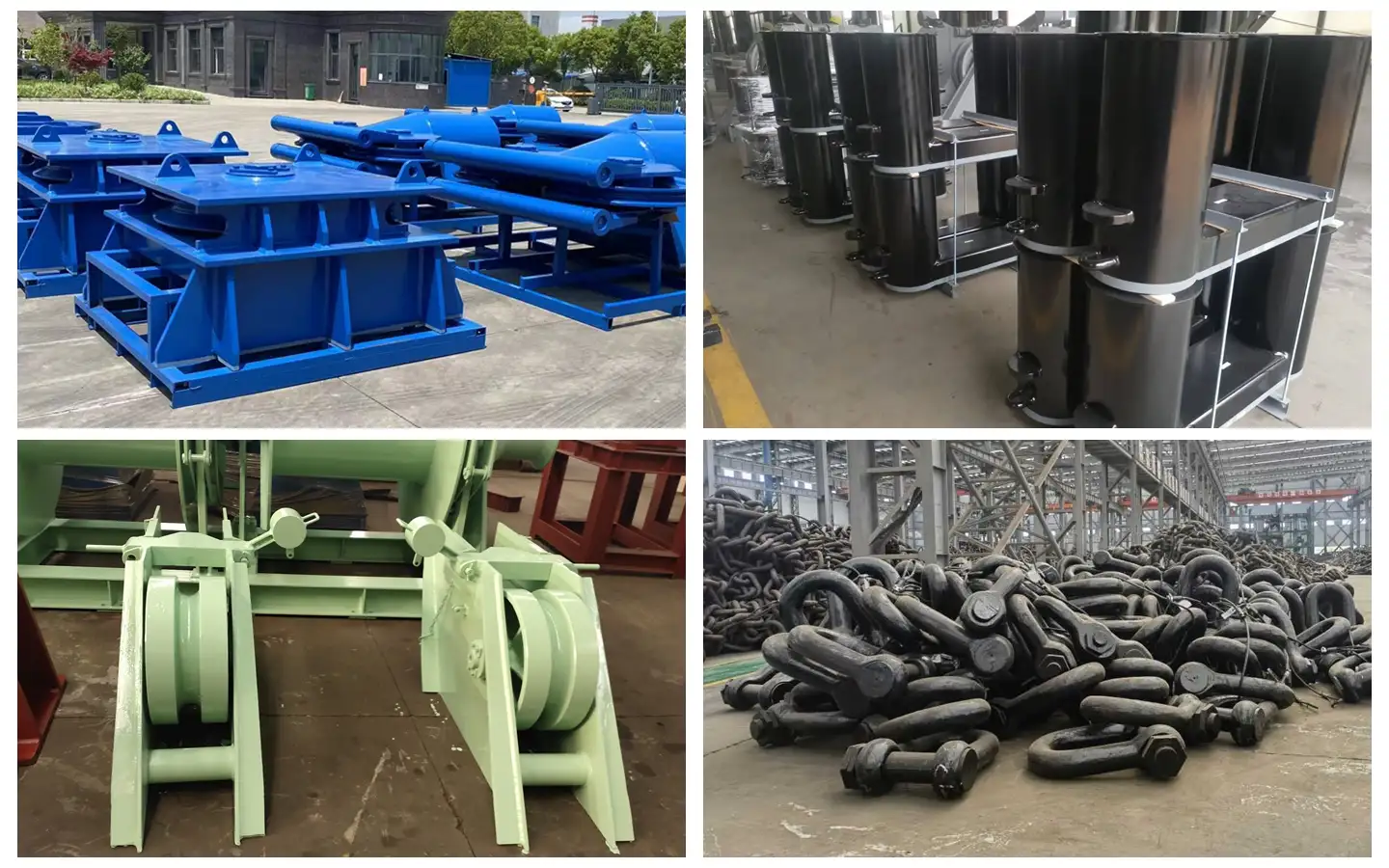
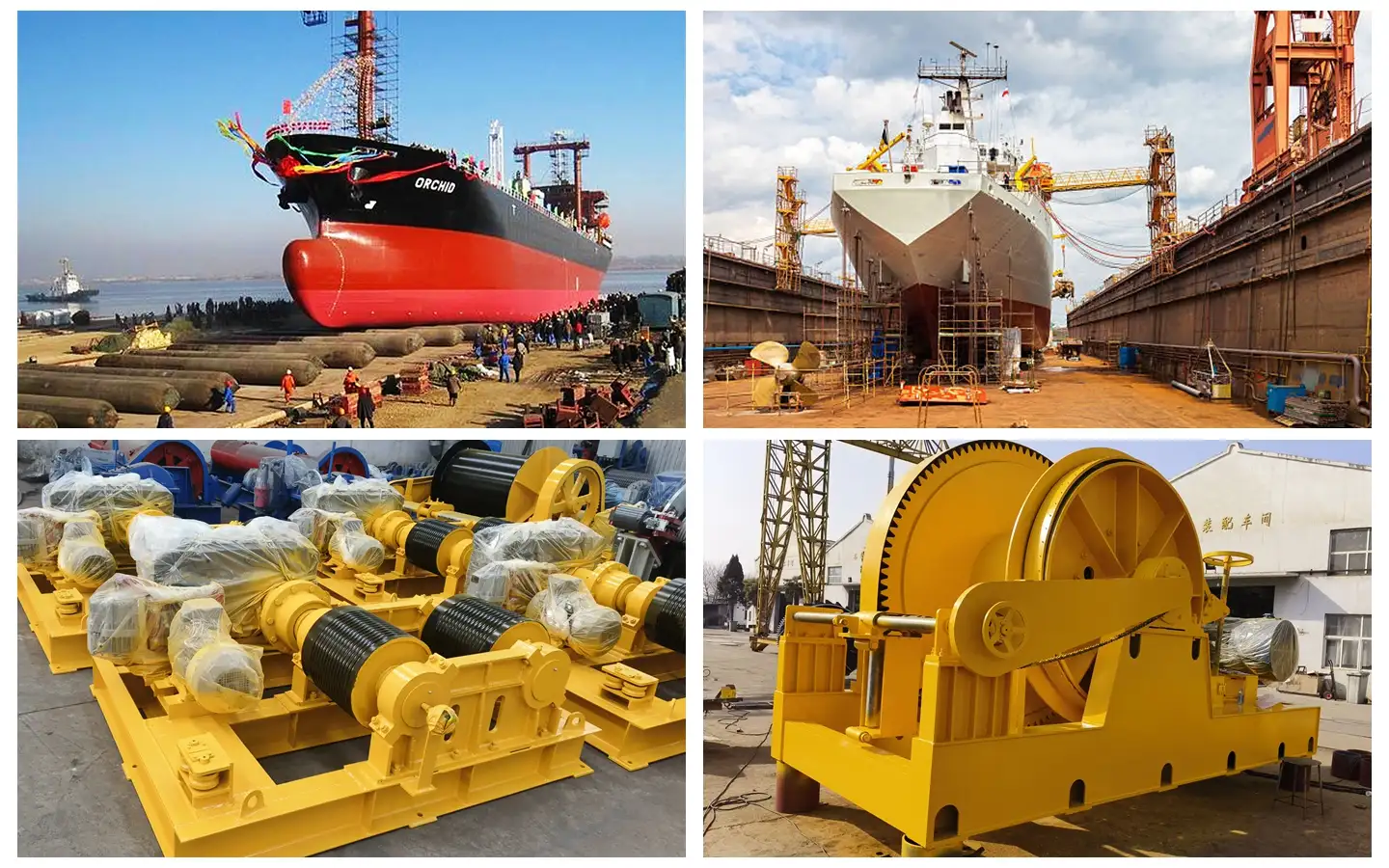
Different shipyards use different launching solutions. Common equipment includes:
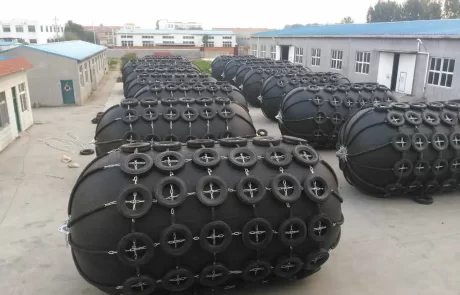
- Marine airbags
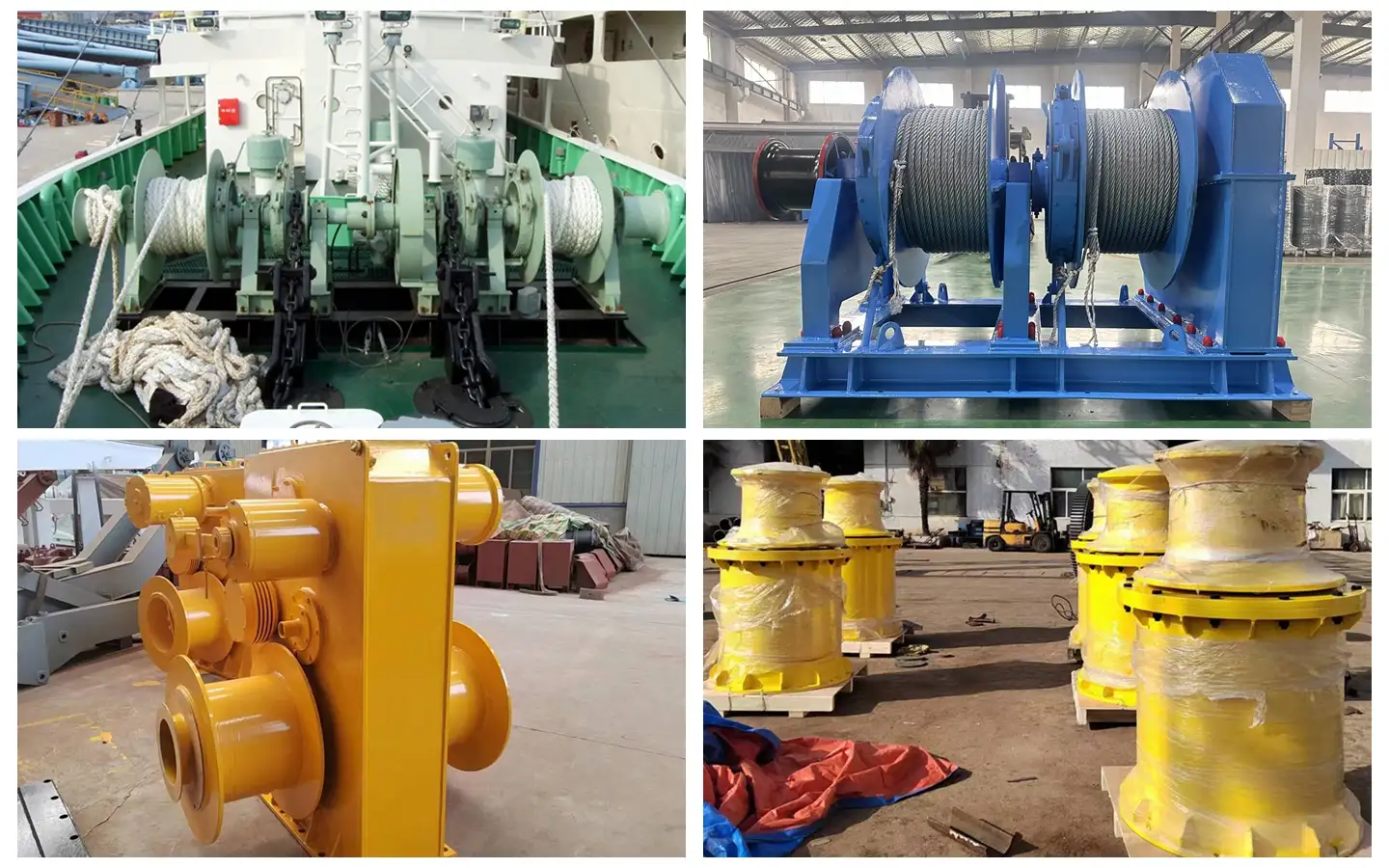
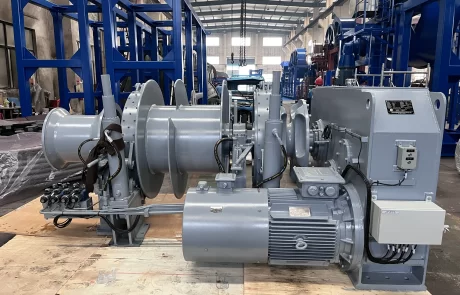
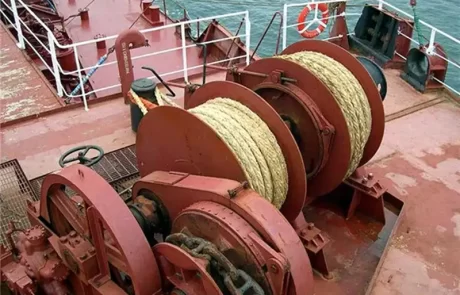
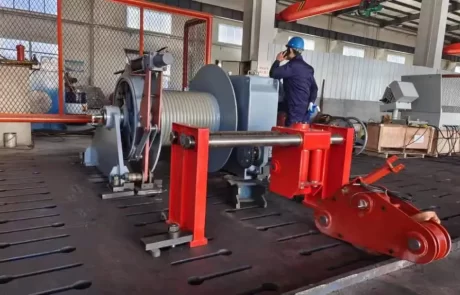
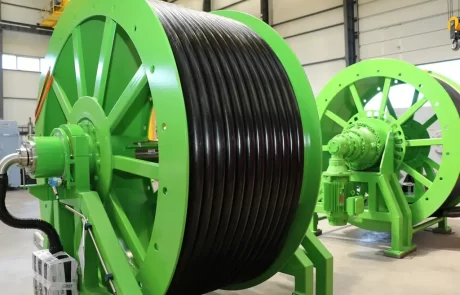
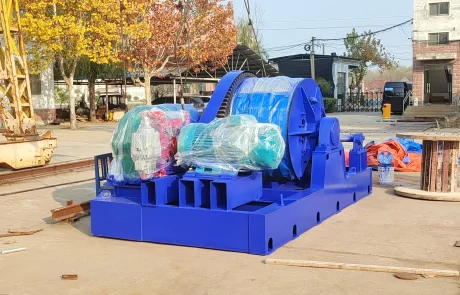
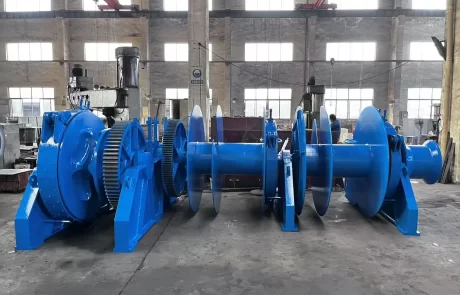
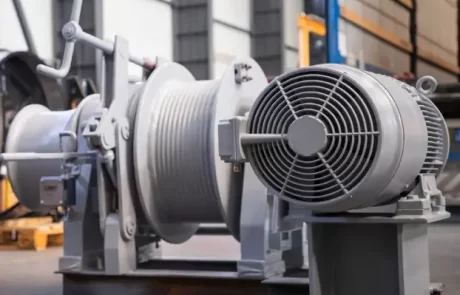
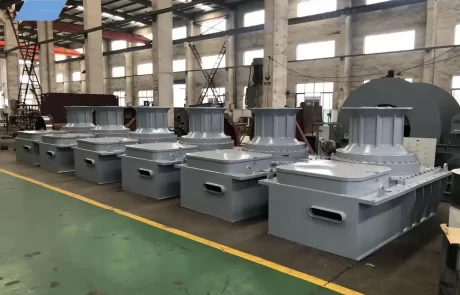
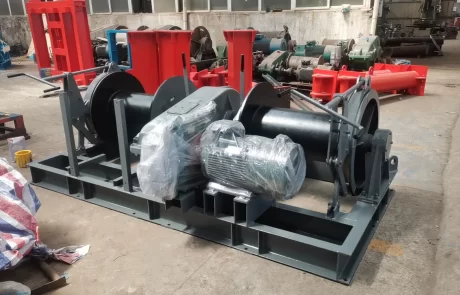
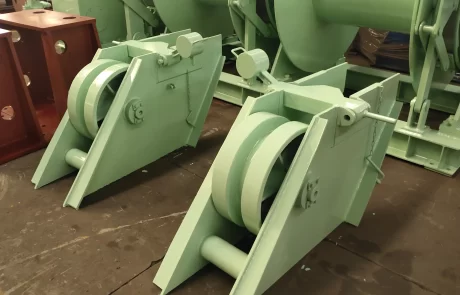
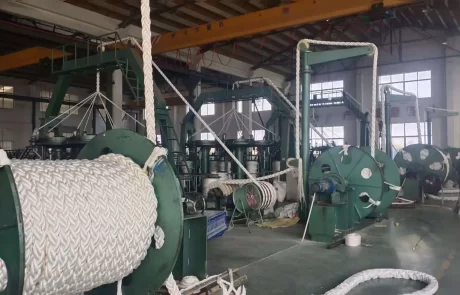
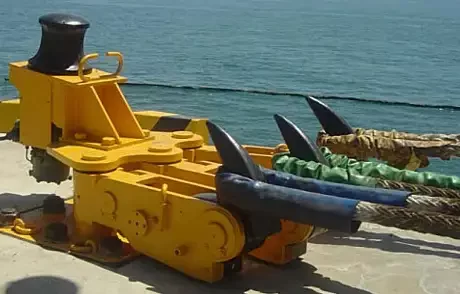
- Winches
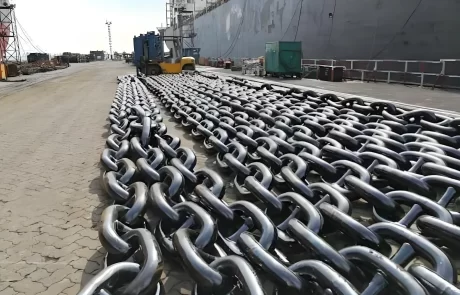
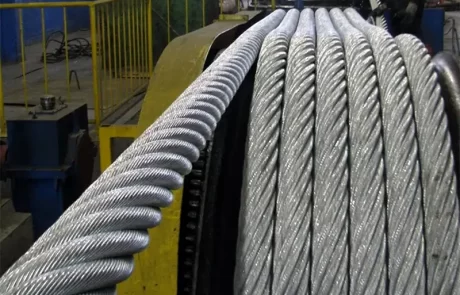
- Wire ropes
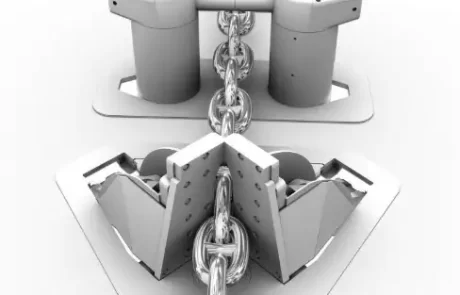
- Slipway systems
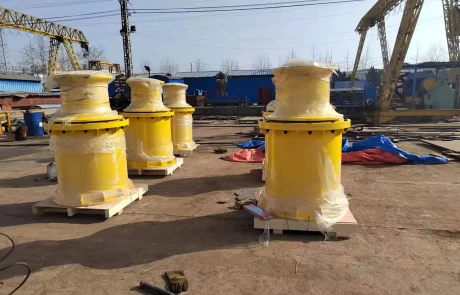
- Supporting structures
The equipment should match:
- Vessel size
- Ship weight
- Launching method
- Site conditions
Using unsuitable equipment can create additional risks during operation.
Controlling Vessel Movement During Launching
One of the biggest challenges during launching is controlling movement.
The vessel needs to move at a predictable speed and direction.
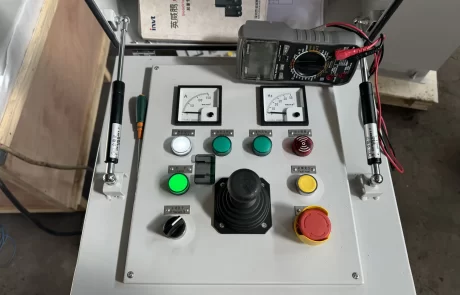
Control systems and pulling equipment help manage:
- Movement speed
- Launching distance
- Vessel position
- Recovery or stopping actions
Smooth control is important because sudden movement can increase stress on the hull and equipment.
Weather Conditions and Launching Operations
Weather is another important consideration. Strong wind, waves, or heavy rain may affect launching conditions. Before operation, shipyards usually check:
- Wind speed
- Tide level
- Water conditions
- Weather forecast
Choosing the right launching time can improve safety and reduce operational difficulties.
Common Problems During Ship Launching
Although every project is different, some common problems include:
Poor Preparation—Insufficient planning may lead to delays or unsafe conditions.
Incorrect Equipment Selection—Equipment that does not match the vessel requirements may affect performance.
Communication Problems—Ship launching involves many teams, so clear communication is essential.
Lack of Inspection—Small equipment issues can become larger problems during operation.
How Modern Shipyards Improve Launching Reliability
Modern shipyards focus on improving safety through:
- Better engineering calculations
- Improved equipment quality
- Detailed operating procedures
- Regular equipment inspection
- Experienced project teams
The goal is not only to complete the launch but also to protect the vessel and workers throughout the process.
Ship launching safety depends on careful preparation, suitable equipment, and experienced operation. From checking the vessel condition to selecting the right launching method, every detail can affect the final result. For shipyards, a reliable launching process helps reduce risks, improve efficiency, and ensure new vessels enter service smoothly.
FAQ
What is the most important factor in ship launching safety?
Proper preparation is one of the most important factors, including vessel inspection, equipment selection, and operational planning.
Can weather affect ship launching?
Yes. Wind, waves and water conditions can influence the safety and timing of a launching operation.
What equipment is commonly used for ship launching?
Depending on the method, shipyards may use marine airbags, winches, wire ropes and slipway systems.
Why are marine airbags used in ship launching?
Marine airbags provide a flexible launching solution that can reduce the need for large permanent infrastructure.