Working underwater is one of the biggest challenges in offshore operations. Depth, pressure, poor visibility and difficult access make many subsea tasks impossible for divers alone.
This is where ROV systems become important.
A remotely operated vehicle (ROV) allows engineers to inspect, maintain and operate underwater equipment from the surface. It has become an essential tool for offshore energy projects, marine research and subsea construction.
What Is an Offshore ROV?
An ROV is an unmanned underwater vehicle connected to a surface control station through a cable system.
Operators on the vessel or platform can control the vehicle in real time while receiving:
- Live video
- Sensor information
- Equipment status data
Unlike autonomous underwater vehicles (AUVs), ROVs remain connected to the surface during operation, allowing continuous control.
How an ROV System Works
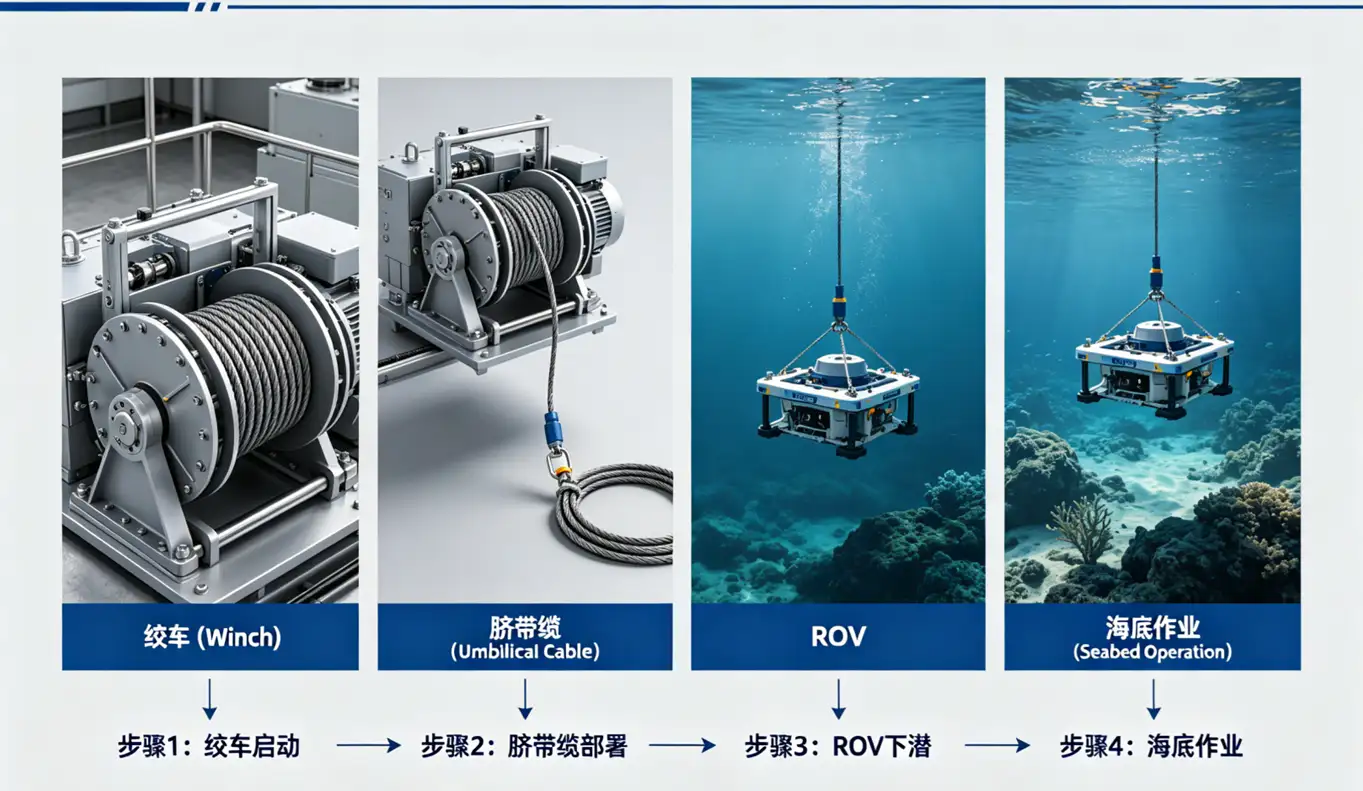
A complete ROV system usually includes several important parts.
ROV Vehicle—The underwater unit carries cameras, lights, sensors, and tools needed for different tasks.
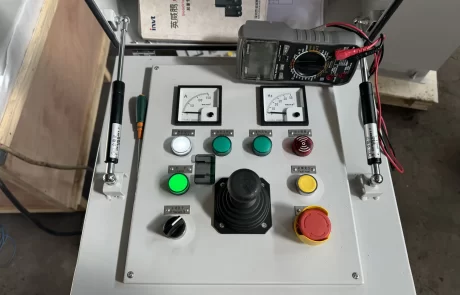
Control System—Operators use a control station to manage movement, cameras, and onboard equipment.
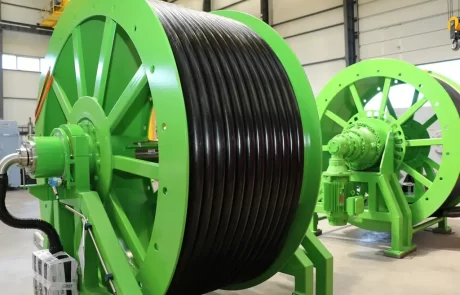
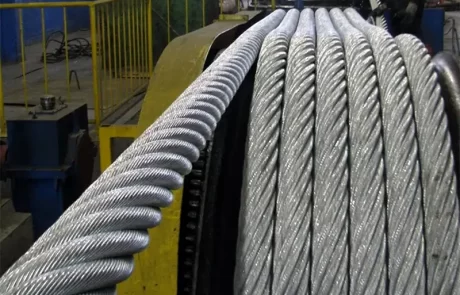
Umbilical Cable—The umbilical provides power, communication, and control signals between the vessel and the ROV.
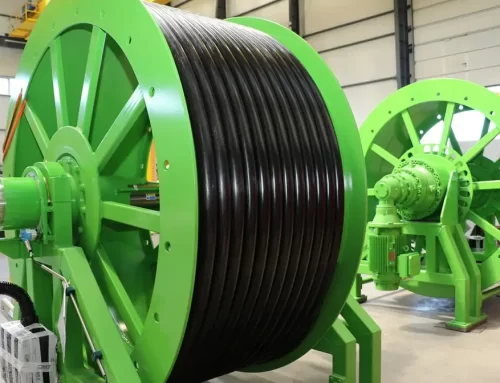
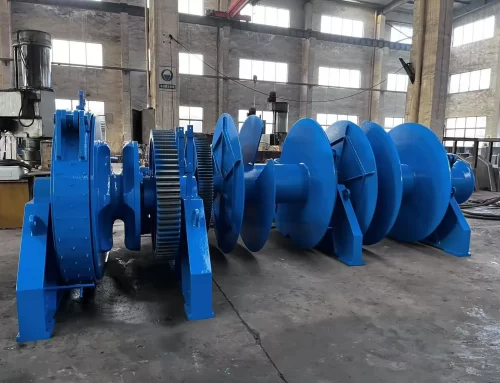
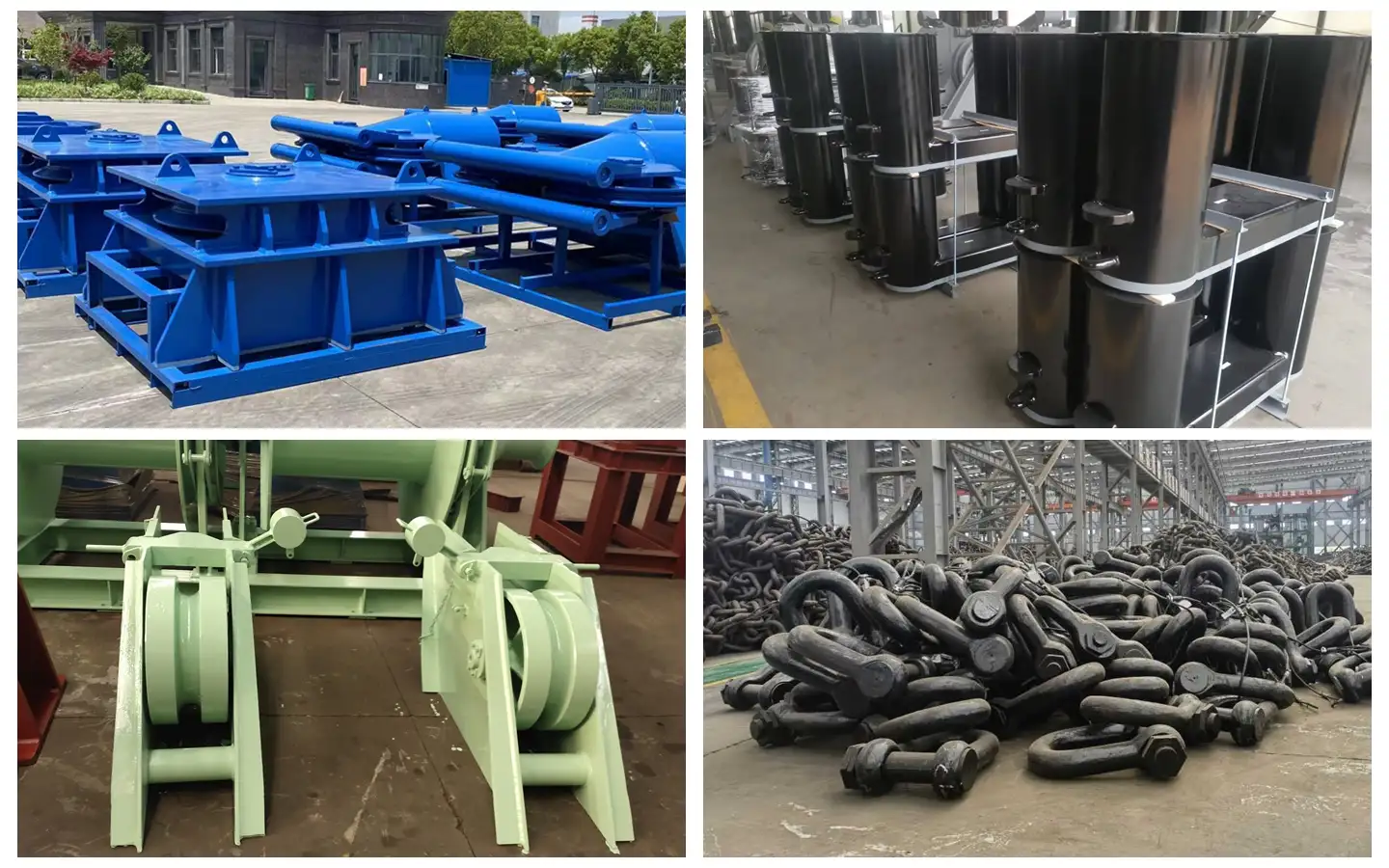
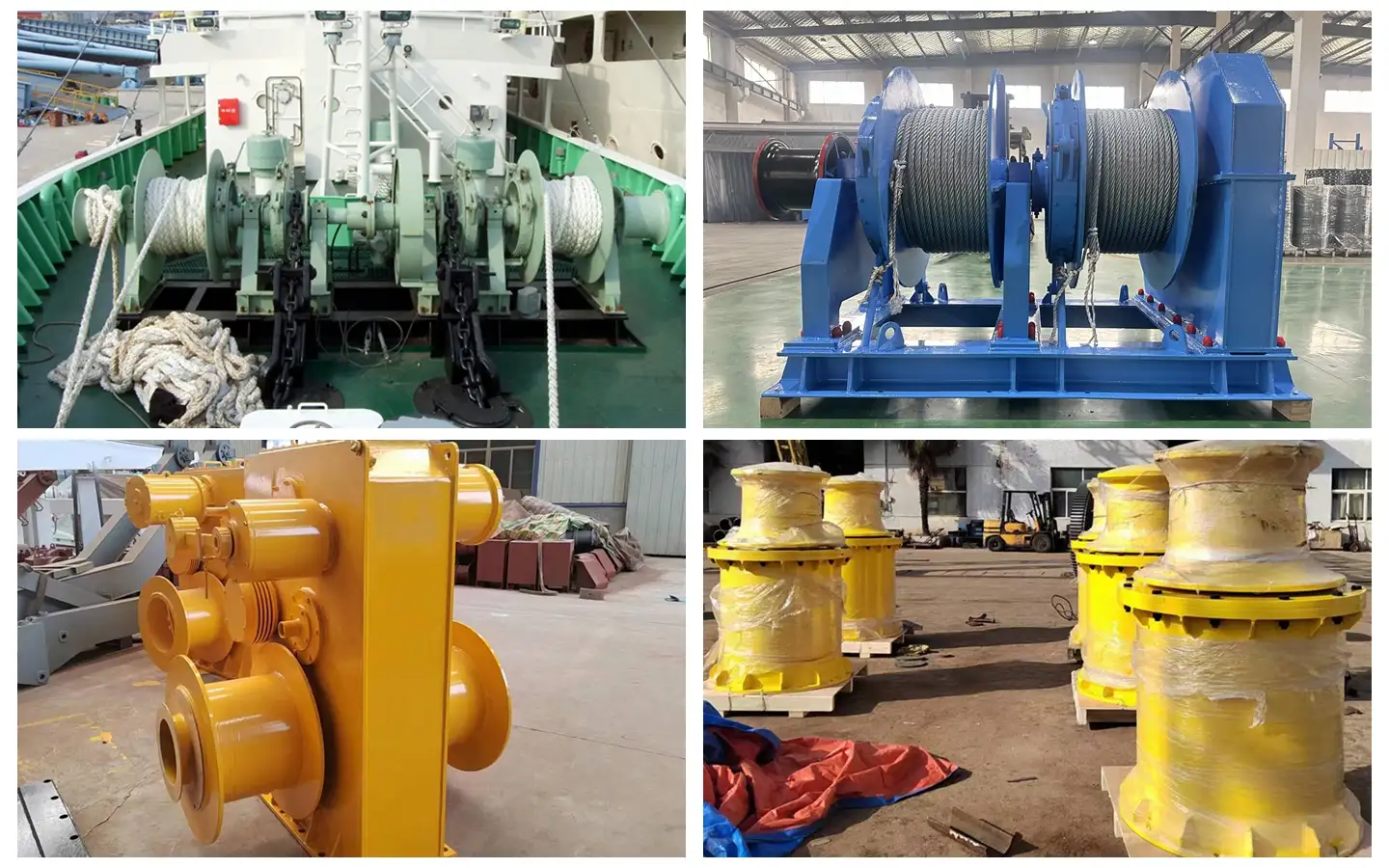
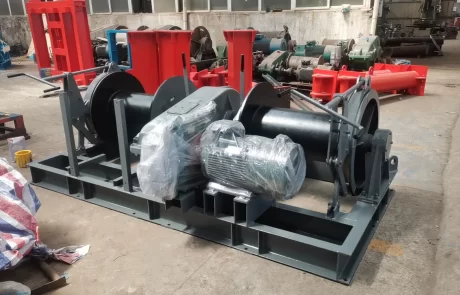
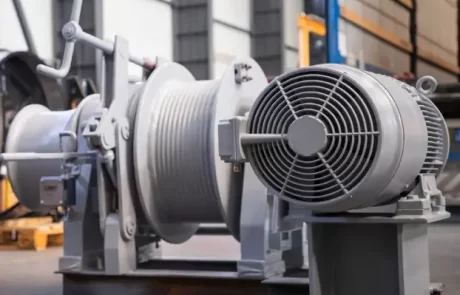
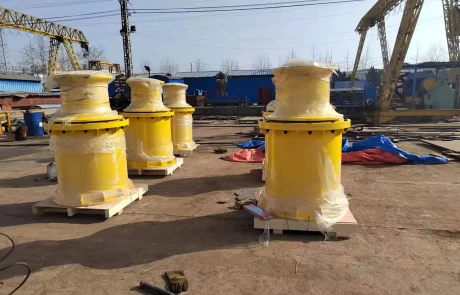
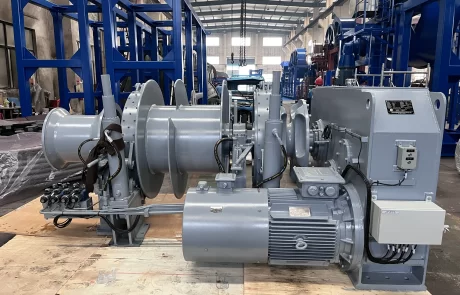
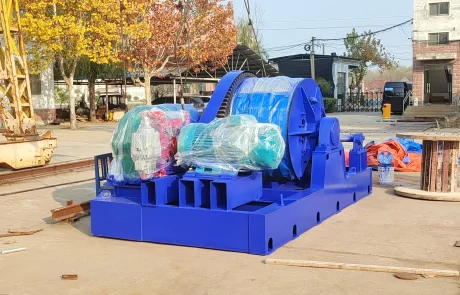
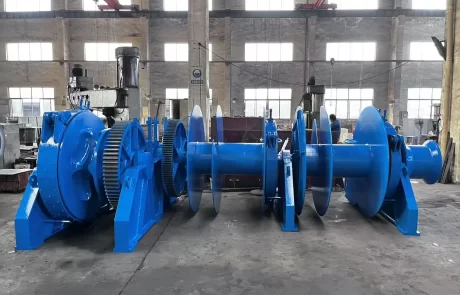
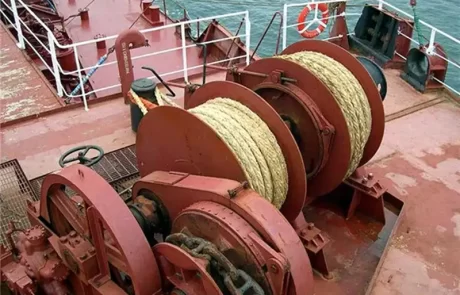
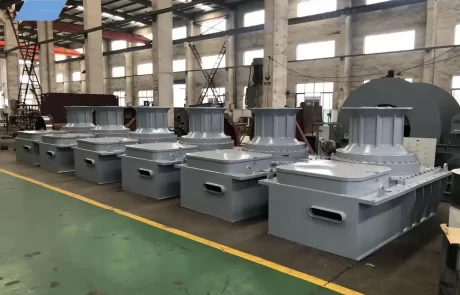
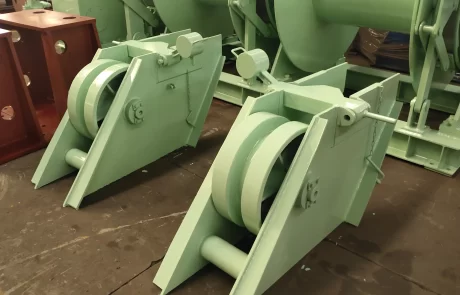
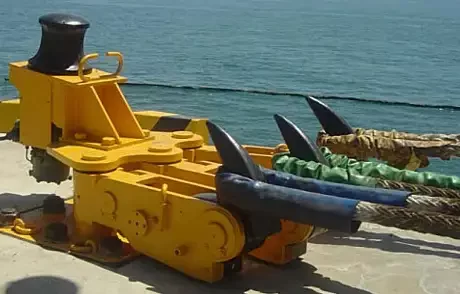
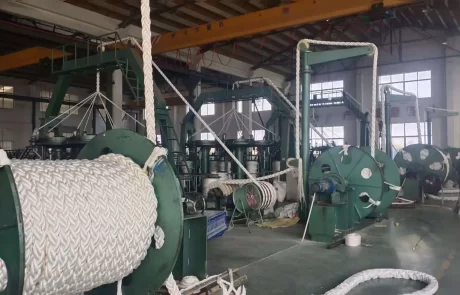
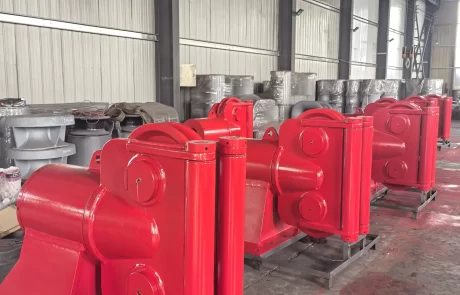
Deployment Equipment—A winch system is used to safely lower and recover the ROV and manage the umbilical cable during operation.
Every part of the system needs to work reliably because offshore repairs can be difficult and expensive.
Common Offshore ROV Applications
ROVs are used in many offshore projects.
Typical applications include:
Subsea Inspection
ROVs inspect:
- Pipelines
- Platforms
- Subsea structures
- Cables
This helps engineers identify problems without sending divers underwater.
Maintenance Work
Special tools can be installed on ROVs for underwater maintenance tasks.
Examples include:
- Valve operation
- Cleaning
- Equipment checking
- Minor repairs
Offshore Construction & Search and Survey Work
During offshore installation projects, ROVs help monitor underwater operations and support engineering teams.
ROVs are also widely used for:
- Marine research
- Seabed surveys
- Wreck inspection
- Environmental monitoring
Why ROV Deployment Equipment Is Important
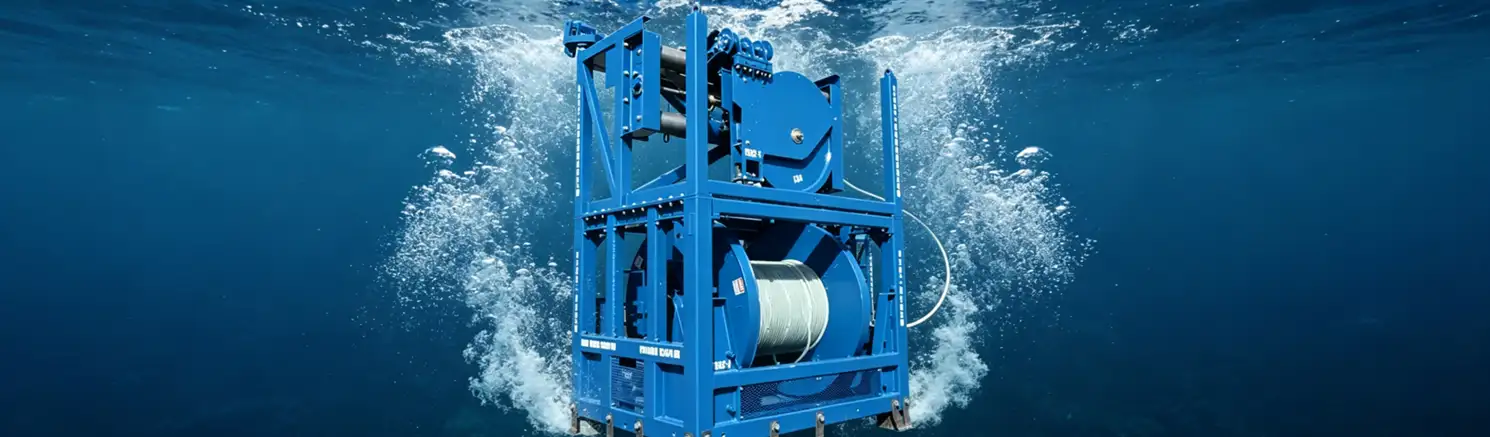
An ROV is only useful when it can be deployed and recovered safely. The deployment system must handle:
- Vehicle weight
- Umbilical cable load
- Water depth
- Vessel movement
- Weather conditions
A reliable winch system helps maintain smooth cable control and reduces the risk of damage during operation.
Challenges During Offshore ROV Operations
Operating an ROV offshore is not always simple.
Common challenges include:
Strong Currents—Underwater currents can affect vehicle movement and cable tension.
Deep Water—Greater depth creates higher loads on the umbilical system.
Harsh Weather—Vessel movement can influence deployment stability.
Limited Access—Equipment failures offshore often require careful planning because support resources are far away.
What Makes a Reliable ROV Support System?
A good offshore ROV setup requires cooperation between multiple systems. Important factors include:
- Accurate cable control
- Reliable winch operation
- Good corrosion protection
- Easy maintenance access
- Proper safety features
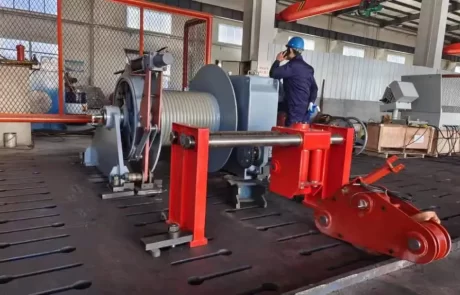
The deployment equipment should match the ROV size, cable type, and operating environment.
ROV Operations in the Future
As offshore projects become more complex, the demand for underwater inspection and maintenance continues to grow. ROVs help companies:
- Reduce human risk
- Improve inspection efficiency
- Access deeper areas
- Lower long-term maintenance costs
Reliable offshore equipment will continue to play an important role in future marine operations.
ROV systems have changed the way offshore companies perform underwater work.
By combining underwater vehicles, control systems and reliable deployment equipment, operators can complete complex subsea tasks more safely and efficiently.
For offshore projects, every part of the system matters — from the ROV itself to the equipment that supports its operation on the vessel.
FAQ
What is the difference between an ROV and an AUV?
An ROV is connected to the surface by a cable and controlled in real time, while an AUV operates independently without a physical connection.
Where are offshore ROV systems used?
ROVs are commonly used in oil and gas, offshore wind, subsea construction, marine research and inspection projects.
Why does an ROV need an umbilical cable?
The umbilical provides power, communication and control between the surface operator and the underwater vehicle.
How deep can offshore ROVs operate?
The operating depth depends on the ROV design, cable system and project requirements. Some industrial ROVs can operate at several thousand meters underwater.