In offshore projects, cables are often the connection between surface equipment and underwater systems.
For ROV operations, subsea tools and inspection equipment, the umbilical cable carries power, communication signals and control information. Keeping this cable under proper control is essential for safe and efficient operations.
Poor cable management can lead to damage, operational delays, and unnecessary maintenance costs.
What Is an Umbilical Cable Used For?
An umbilical cable is a specially designed connection system used in subsea applications.
Unlike a simple electrical cable, an offshore umbilical may contain multiple elements, such as:
- Power lines
- Communication cables
- Hydraulic hoses
- Fiber optic lines
- Protective layers
The exact structure depends on the application and operating environment.
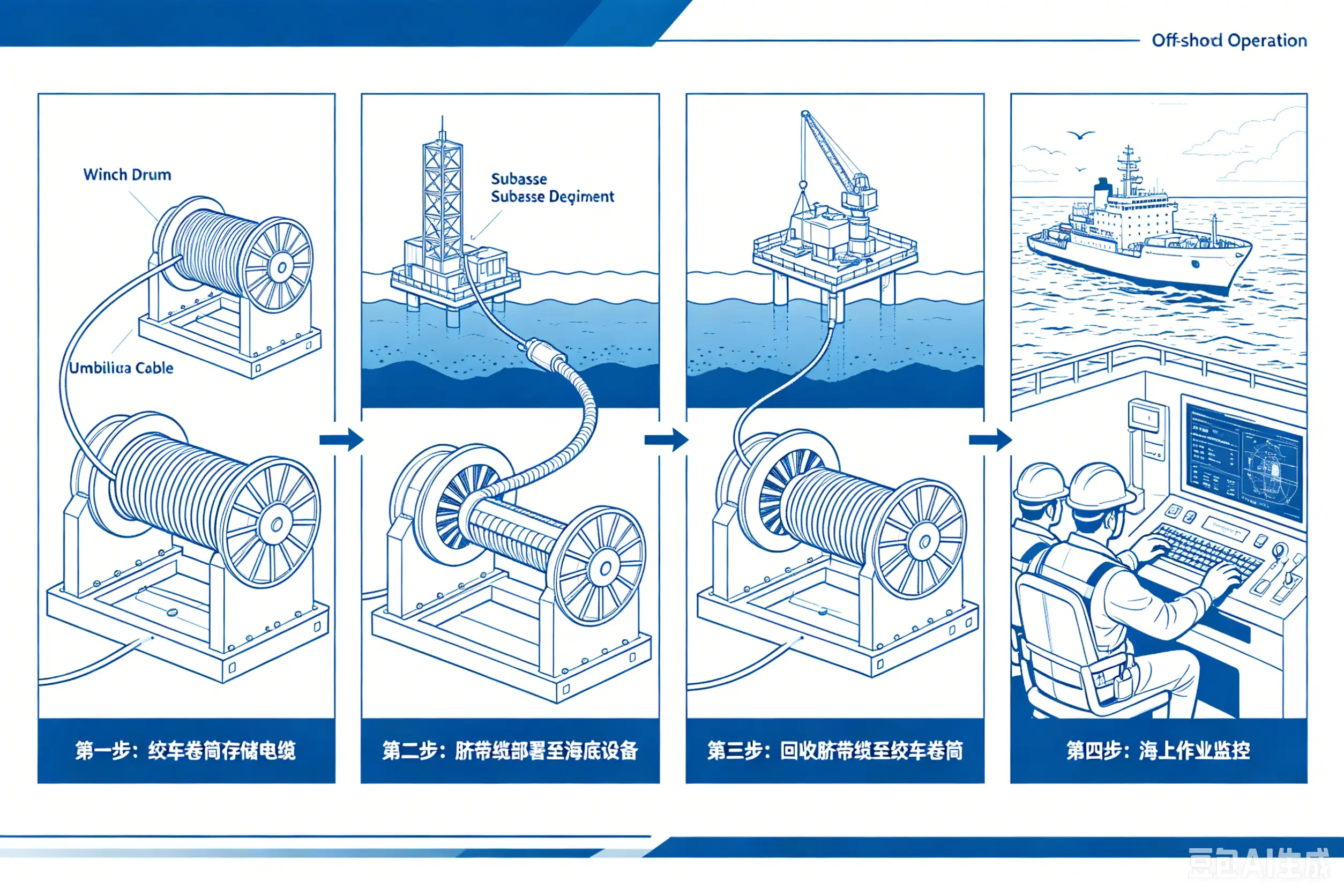
What Is an Umbilical Cable Used For?
An umbilical cable is a specially designed connection system used in subsea applications.
Unlike a simple electrical cable, an offshore umbilical may contain multiple elements, such as:
- Power lines
- Communication cables
- Hydraulic hoses
- Fiber optic lines
- Protective layers
The exact structure depends on the application and operating environment.
Why Cable Handling Is Important Offshore
Offshore environments create many challenges for cable management. During operation, the cable may experience:
- High tension loads
- Vessel movement
- Water currents
- Repeated deployment cycles
- Contact with equipment or structures
Without proper handling, the cable may suffer from:
- Excessive bending
- Twisting
- Surface damage
- Reduced service life
A controlled deployment and recovery process helps protect the cable and improve operational reliability.
Common Applications of Umbilical Cable Systems
Umbilical cables are widely used in different offshore activities.
ROV Operations—ROVs depend on umbilical cables for:
- Power supply
- Data transmission
- Operator control
The cable must move smoothly as the vehicle changes position underwater.
Subsea Inspection—Inspection equipment often requires stable communication with surface operators. Reliable cable handling helps maintain continuous operation during surveys.
Offshore Construction—During subsea installation work, umbilicals may connect tools, monitoring equipment, or specialized systems.
Problems Caused by Poor Cable Management
Many cable problems develop slowly rather than appearing suddenly.
Common issues include:
Excessive Tension—Too much pulling force can damage internal components.
Incorrect Bending—Repeated bending beyond the recommended limit can shorten cable life.
Poor Storage—Improper storage may create twists or permanent deformation.
Uncontrolled Deployment—Sudden release or uneven tension can affect both the cable and connected equipment.

How Offshore Projects Improve Cable Handling
A reliable cable handling system usually combines proper equipment and correct operating procedures.
Important considerations include:
Controlled Speed—Cable deployment should match the operating requirements of the equipment.
Suitable Tension Management—Maintaining proper tension helps prevent unnecessary stress.
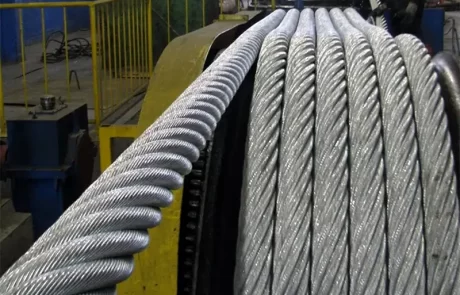
Correct Storage Method—Cables should be stored in a way that avoids sharp bends and damage.
Regular Inspection—Routine checks can identify problems before they affect operations.
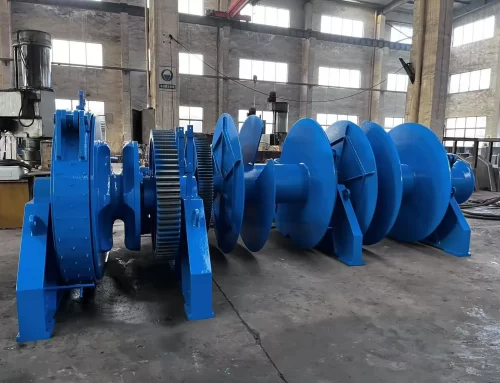
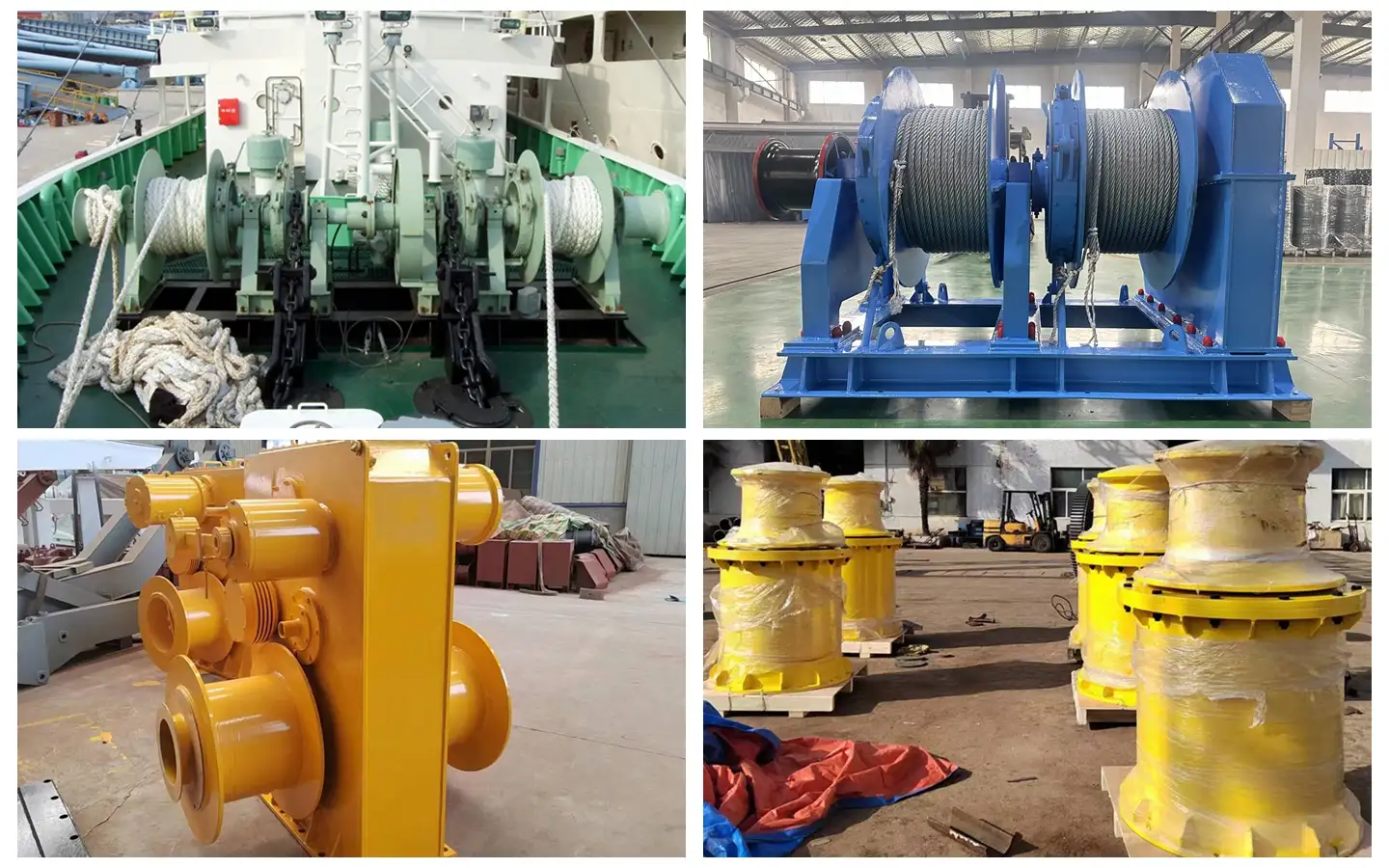
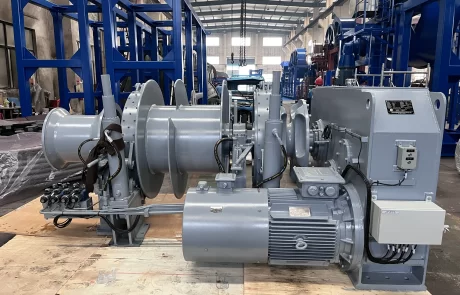
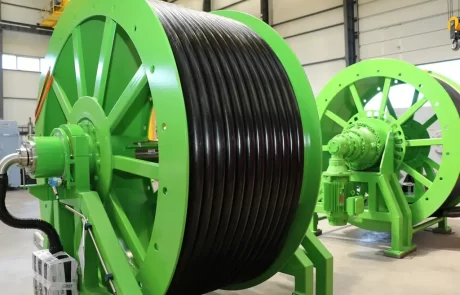
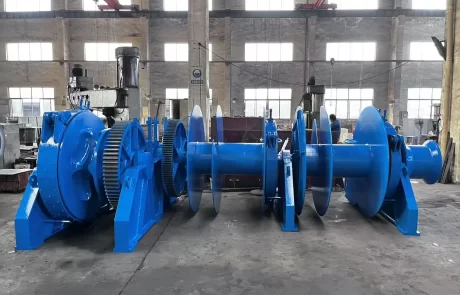
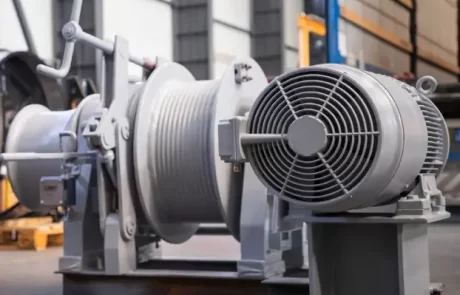
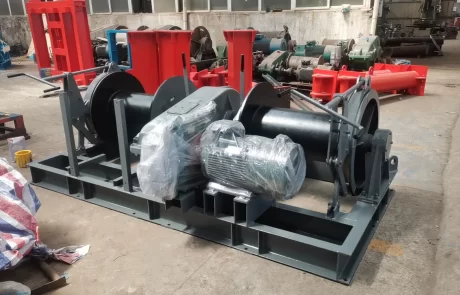
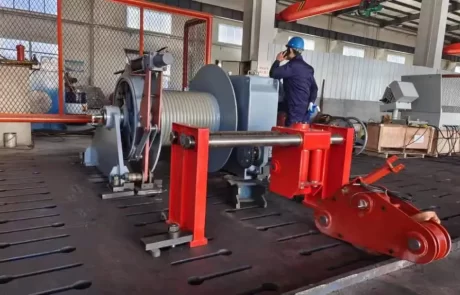
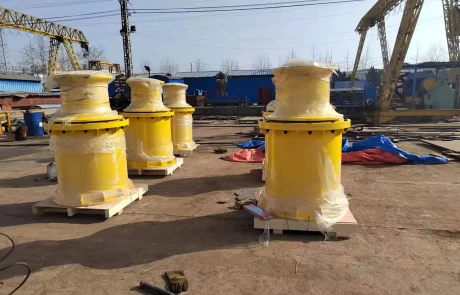
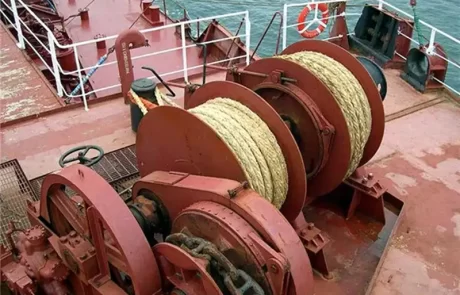
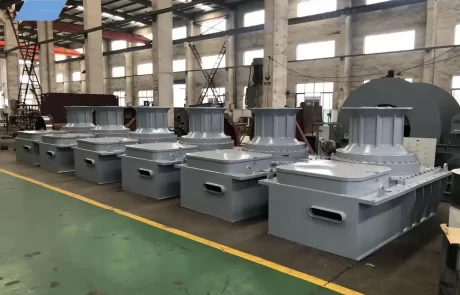
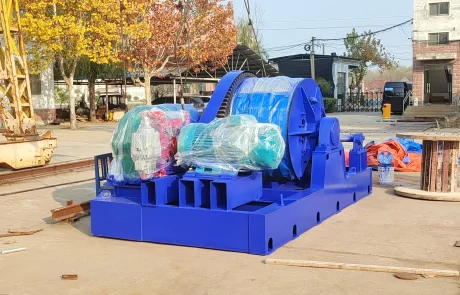
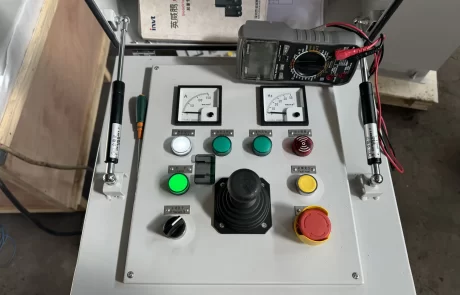
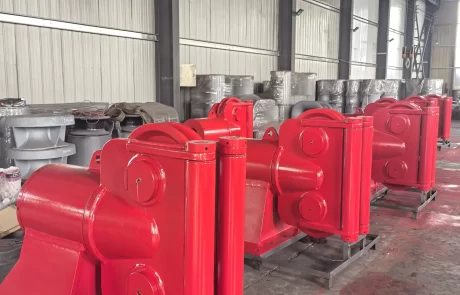
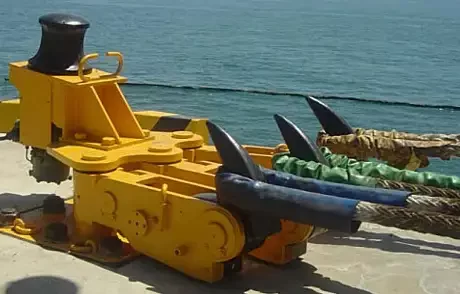
The Role of Winch Systems in Umbilical Operations
The winch system is one of the key parts of cable handling. A suitable system helps control:
- Cable deployment speed
- Recovery operation
- Tension changes
- Storage capacity
For offshore applications, the winch must be designed according to:
- Cable length
- Cable weight
- Working depth
- Operating environment
A properly matched system improves safety and reduces cable wear.
Choosing Equipment for Offshore Cable Handling
Before selecting equipment, project teams should consider:
- Type of cable being handled
- Maximum working load
- Water depth
- Vessel arrangement
- Operating frequency
- Maintenance requirements
Offshore projects often require customized solutions because every installation has different requirements.
Umbilical cable handling is a critical part of many offshore operations.
Whether supporting ROV inspections, subsea construction or underwater monitoring, reliable cable control helps protect equipment and improve project efficiency.
By combining suitable handling equipment with proper operating procedures, offshore teams can reduce cable damage and achieve safer operations.
FAQ
What is an offshore umbilical cable?
An offshore umbilical cable is a multi-purpose connection system that transfers power, communication, and other services between surface equipment and subsea equipment.
Why do ROVs need umbilical cables?
ROVs use umbilical cables to receive power and transmit control signals and video data between the underwater vehicle and the operator.
What can damage an umbilical cable?
Common causes include excessive tension, incorrect bending, poor storage, abrasion, and uncontrolled deployment.
How can cable life be extended?
Proper handling, regular inspection, suitable storage and controlled deployment can help extend cable service life.