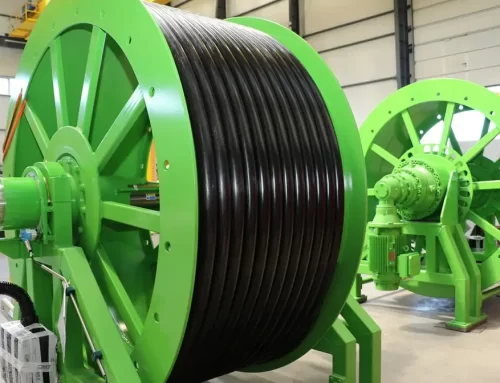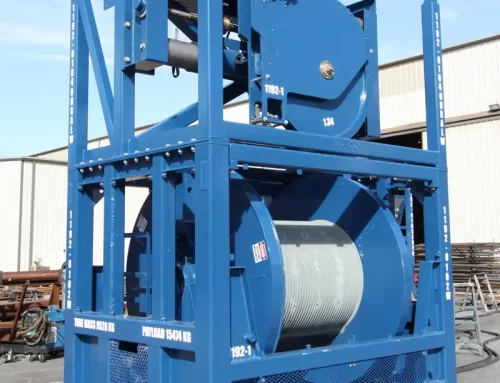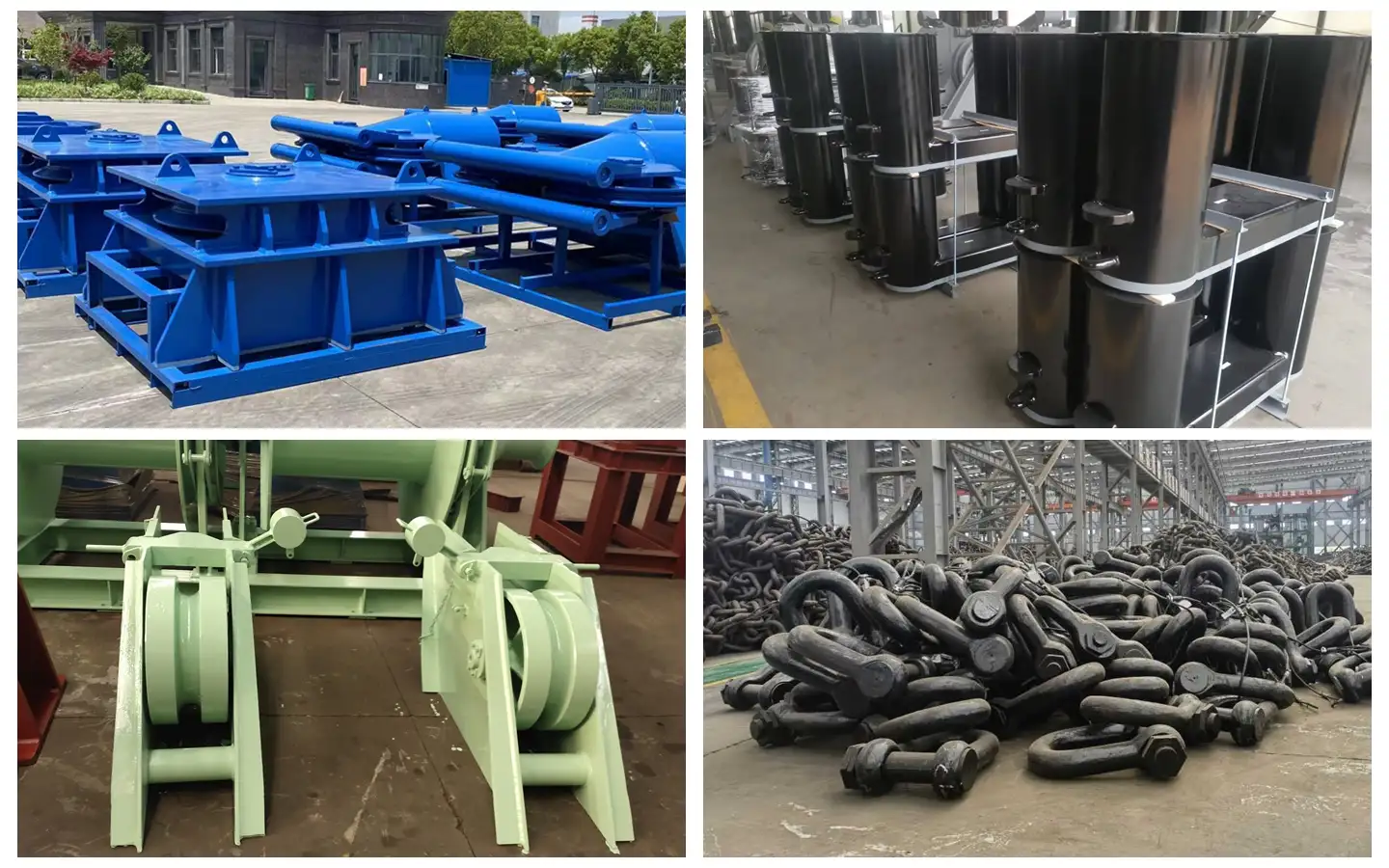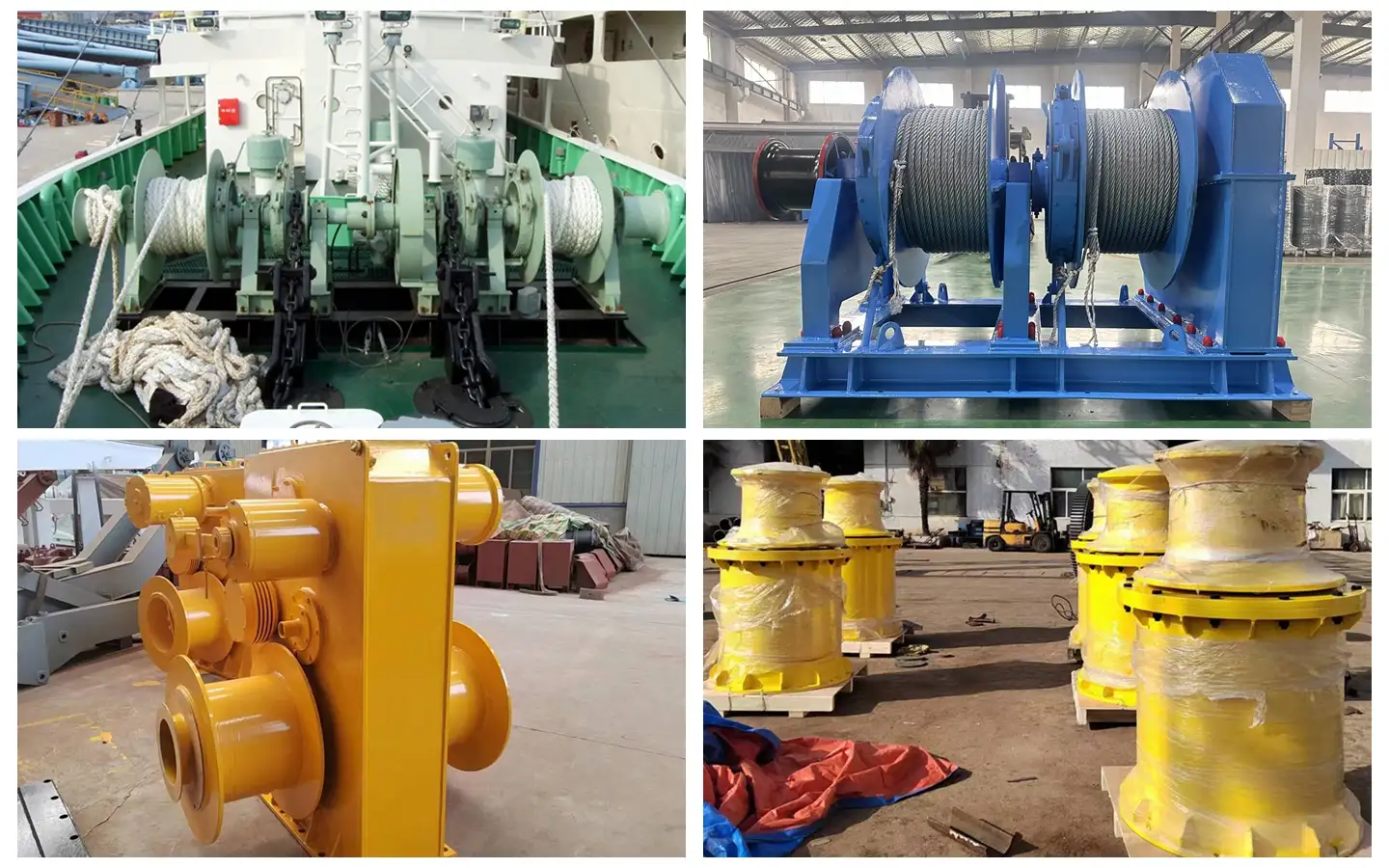
Awinch used on land and a winch used offshore may look similar, but the working conditions are completely different.
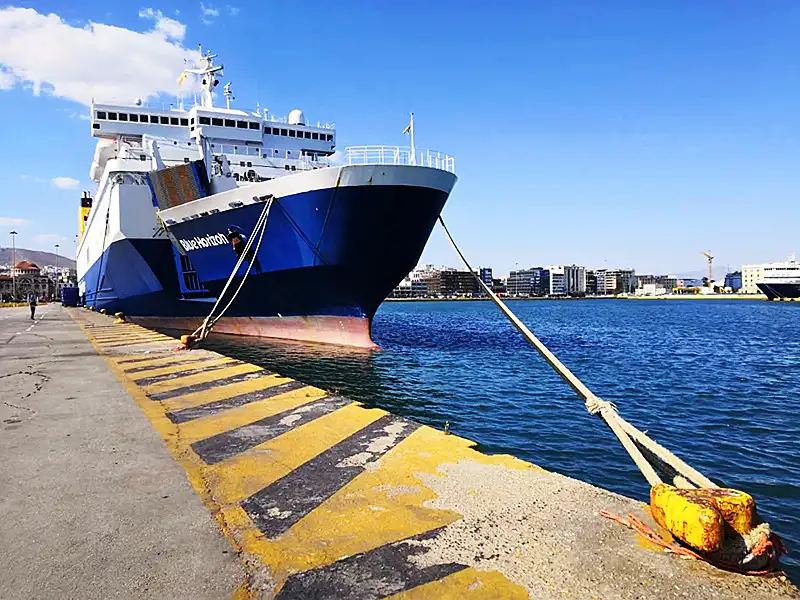
Offshore equipment operates in an environment where saltwater, strong winds, waves and continuous loading are normal. A winch that performs well in a factory or construction site may not provide reliable performance when installed on an offshore vessel or platform.
For this reason, offshore winches are designed with additional requirements for safety, durability and long-term operation.
Offshore Conditions Create More Challenges
Offshore equipment must work in conditions that are much harder to control compared with land-based applications.
Common challenges include:
- Constant saltwater exposure
- High humidity
- Strong wind and waves
- Limited maintenance access
- Long operating periods
- Remote working locations
A failure offshore can be much more difficult and expensive to repair because equipment access is limited.
Corrosion Protection Is a Basic Requirement
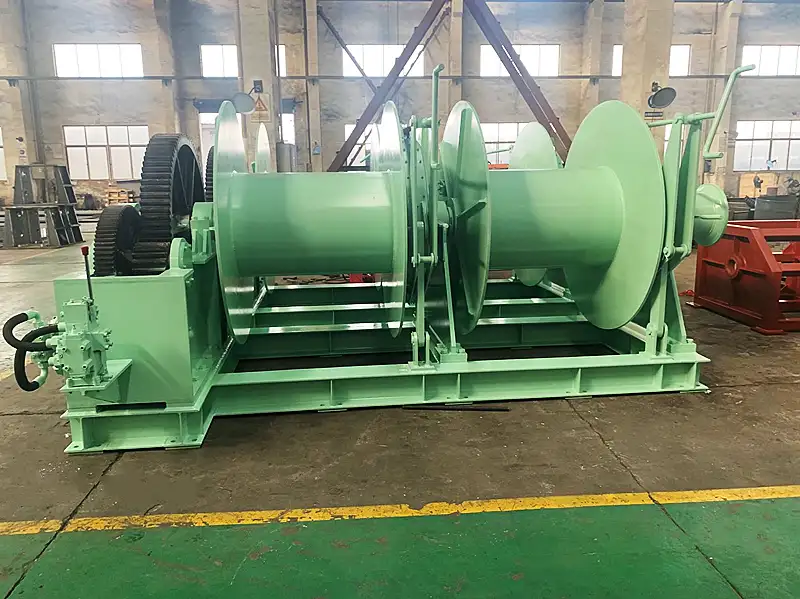
Corrosion is one of the biggest challenges for offshore equipment.
Unlike indoor equipment, offshore winches are exposed to seawater spray and moisture for long periods.
Typical protection measures include:
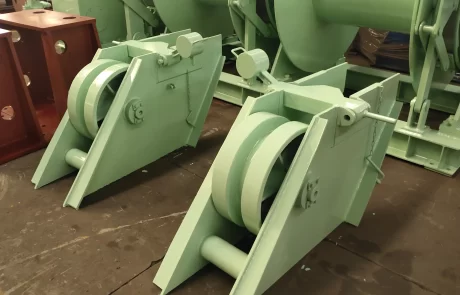
- Marine-grade coatings
- Corrosion-resistant materials
- Sealed electrical components
- Protected hydraulic systems
- Proper surface treatment
Good corrosion protection helps extend equipment life and reduces unexpected downtime.
Offshore Winches Need Reliable Load Control
Many offshore operations involve lifting, pulling, or positioning expensive equipment. Examples include:
- ROV deployment
- Subsea equipment handling
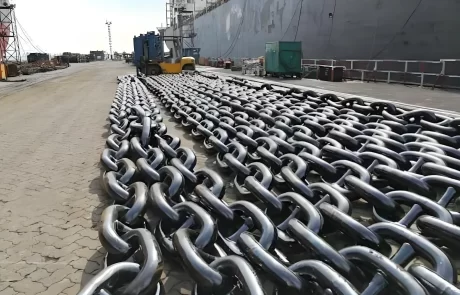
- Anchor handling
- Offshore construction work
- Cable and umbilical operations
In these applications, accurate control is essential. The winch needs to provide:
- Smooth starting and stopping
- Stable line tension
- Controlled speed adjustment
- Reliable braking performance
Poor control can damage equipment or create safety risks.
Safety Features Matter More Offshore
Offshore operations often involve fewer opportunities for quick repairs. Therefore, safety features become especially important.
Depending on the application, offshore winches may include:
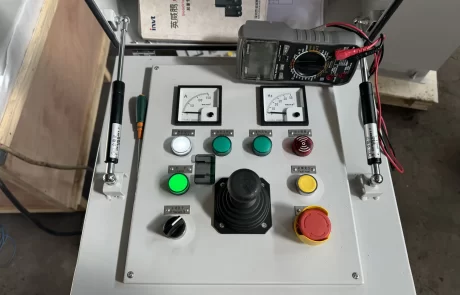
- Hydraulic brakes
- Emergency stop systems
- Load monitoring
- Manual release systems
- Remote control functions
The exact configuration depends on the vessel type and operating requirements.
Different Offshore Jobs Need Different Winch Designs
There is no single offshore winch design suitable for every application.
ROV Operations—ROV winches require precise control because the cable must be deployed and recovered smoothly.
Umbilical Handling—Umbilical winches need careful tension control to protect sensitive cables.
Anchor Handling—Anchor handling operations require high pulling capacity and strong mechanical performance.
Offshore Construction—Construction projects may require customized winch solutions for special lifting or pulling tasks.
The correct design depends on the actual working conditions.
Maintenance Is More Difficult Offshore
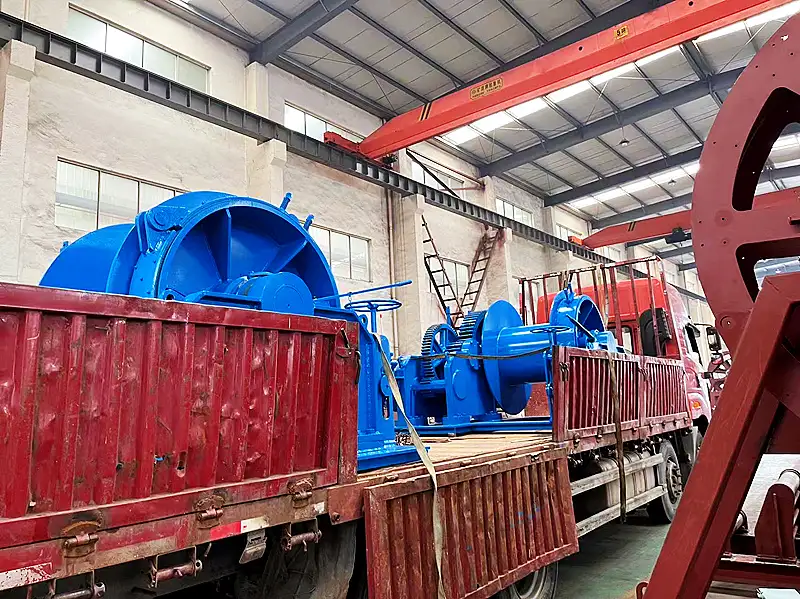
Maintenance planning is especially important offshore because equipment downtime can affect the entire project.
Good maintenance practices include:
- Regular inspection
- Checking brake systems
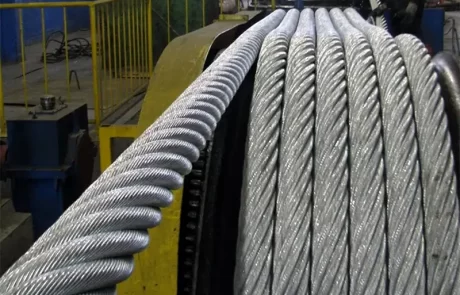
- Monitoring wire rope condition
- Inspecting hydraulic components
- Checking electrical protection systems
Preventive maintenance is usually much more economical than emergency repairs offshore.
Choosing the Right Offshore Winch Supplier
For offshore applications, price should not be the only consideration.
Important factors include:
- Previous offshore experience
- Manufacturing capability
- Quality control process
- Custom engineering ability
- Spare parts support
A reliable supplier should understand both the equipment and the working environment where it will be used.
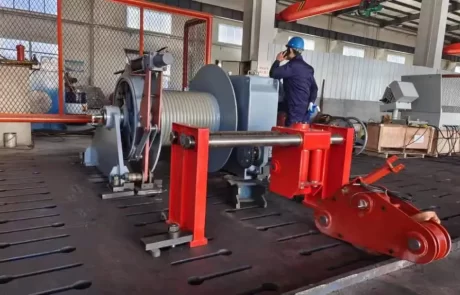
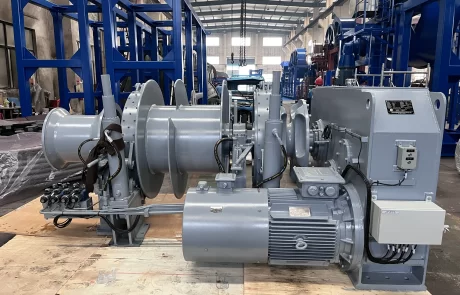
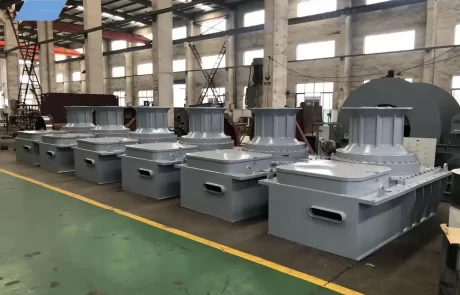
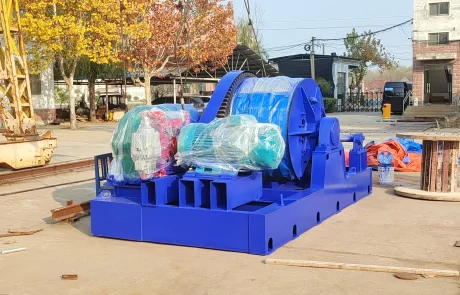
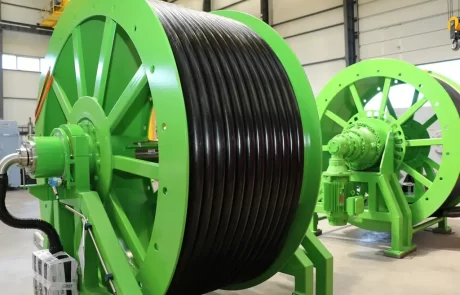
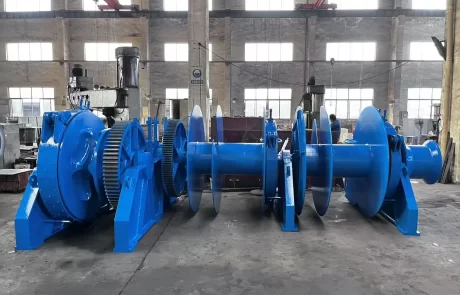
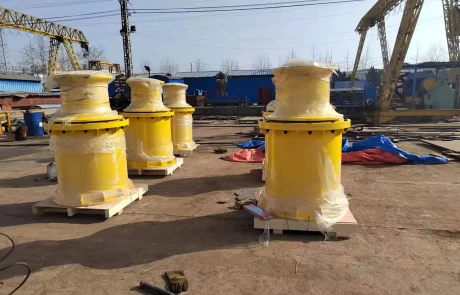
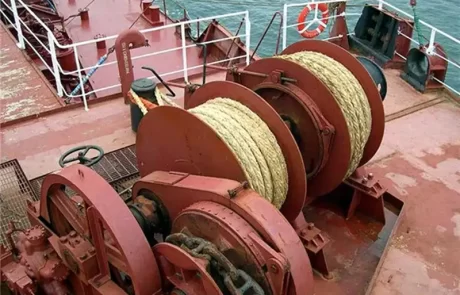
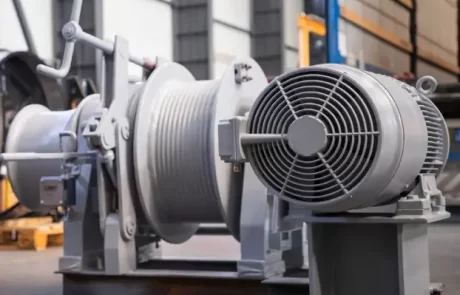
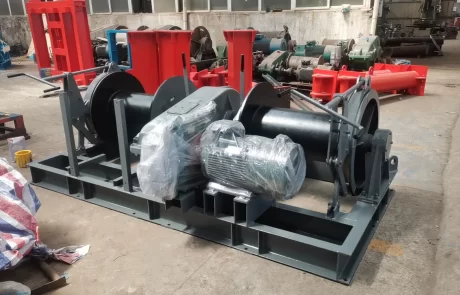
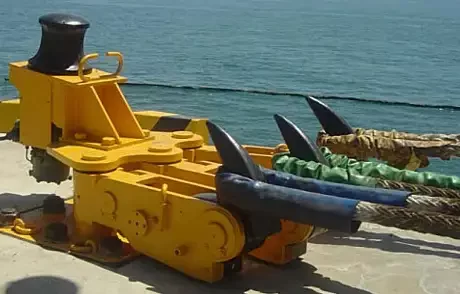
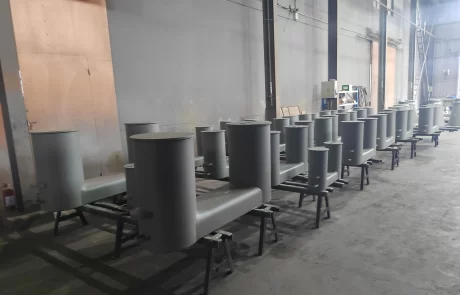
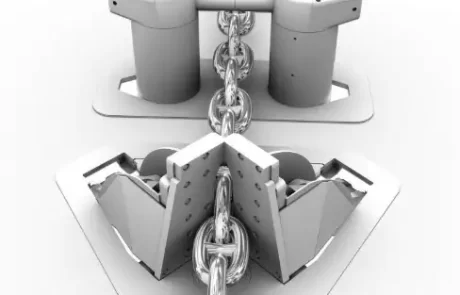
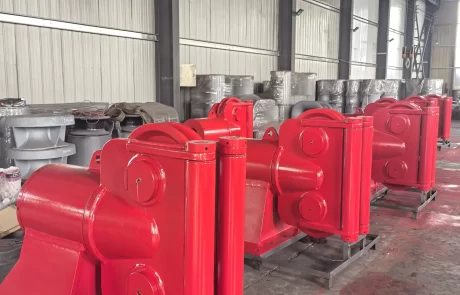
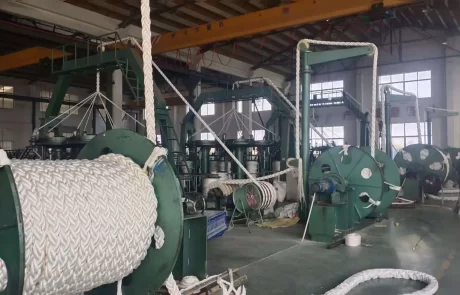
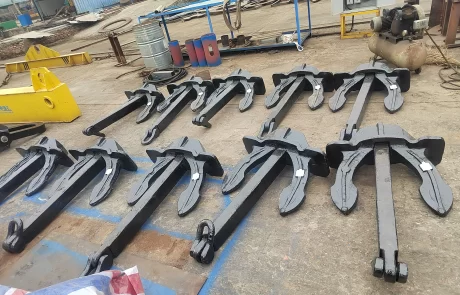
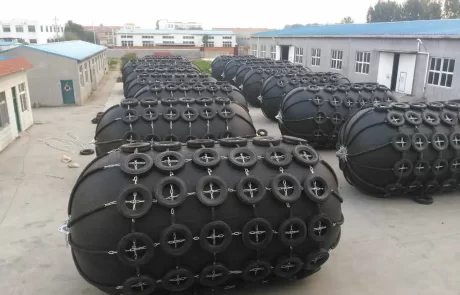
Offshore winches are different because the environment demands higher reliability, better protection and more precise control.
From corrosion resistance to safety features and maintenance requirements, every detail affects long-term performance.
Choosing equipment based on the actual offshore application helps improve operational safety and reduce costly downtime.
FAQ
Can standard winches be used offshore?
Some standard winches may work for light-duty applications, but offshore environments usually require equipment designed for corrosion protection, safety, and continuous operation.
Why is corrosion protection important for offshore winches?
Because offshore equipment is constantly exposed to seawater, humidity and harsh weather conditions that accelerate corrosion.
What applications use offshore winches?
Offshore winches are commonly used for ROV operations, anchor handling, subsea equipment deployment and offshore construction projects.
Are offshore winches customized?
Many offshore projects require customized solutions based on load capacity, rope type, control system, and installation requirements.