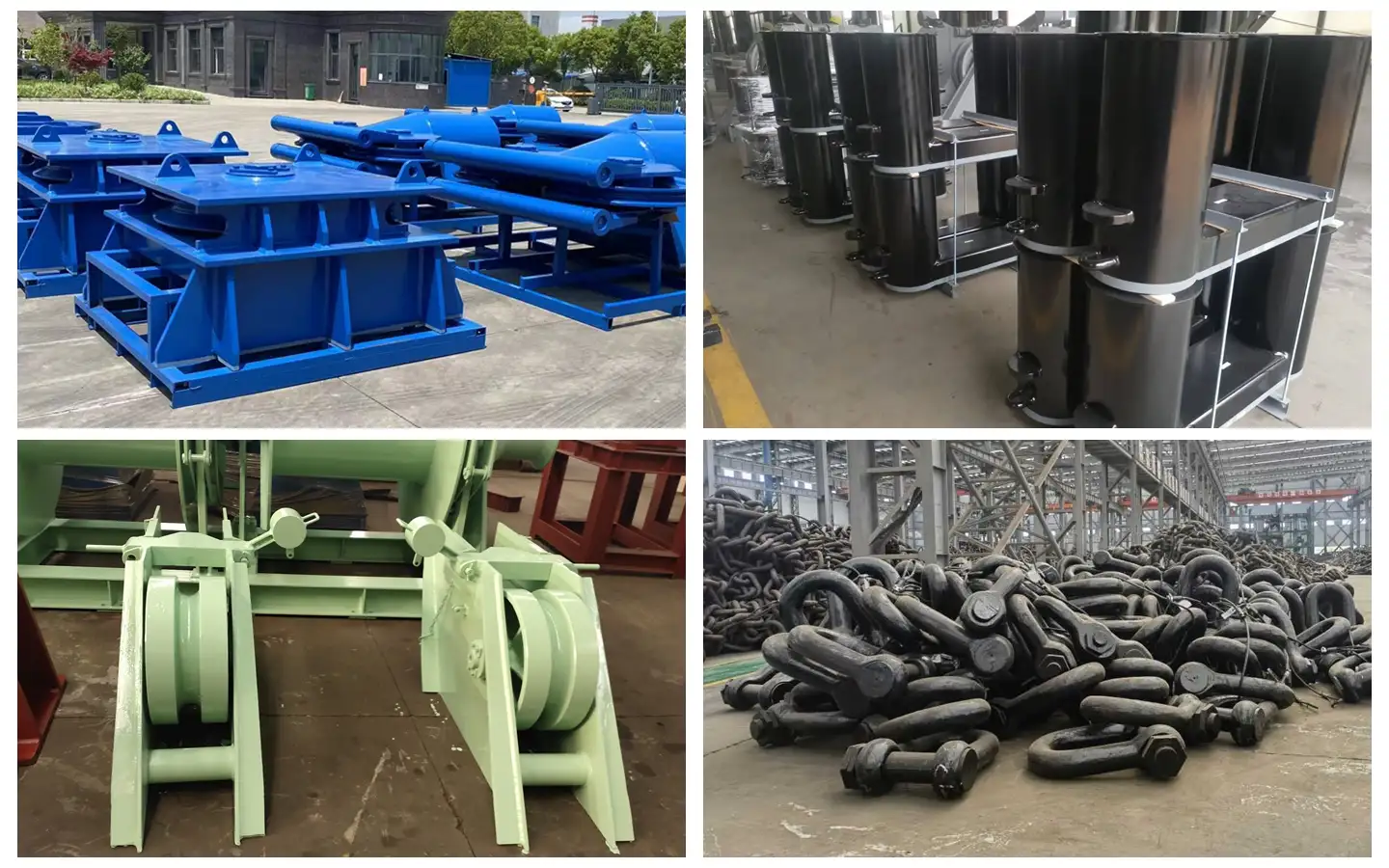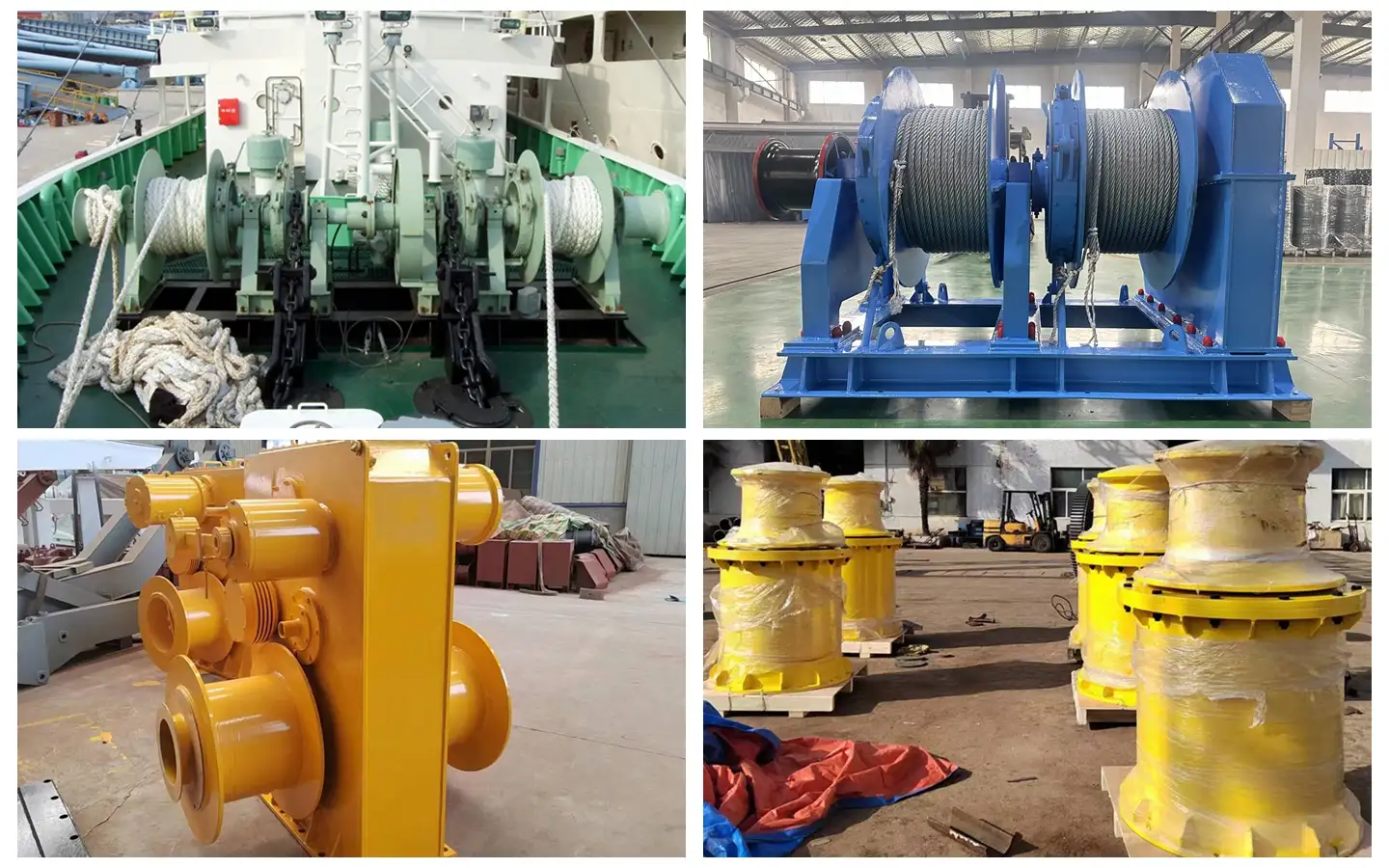
The anchor itself gets most of the attention, but the chain connecting it to the vessel is just as important.
During anchoring operations, the chain is exposed to heavy loads, seawater, seabed contact and repeated movement. Over time, these conditions can cause corrosion, wear and other damage. Regular anchor chain inspection helps identify problems before they affect anchoring operations.
What Can Damage an Anchor Chain?
Anchor chains operate in harsh environments. Several factors can gradually affect their condition. Corrosion is one of the most common concerns, particularly when the chain is regularly exposed to seawater. The chain may also suffer from:
- Surface wear
- Deformation
- Damaged links
- Localized corrosion
- Excessive stretching
Not every problem is easy to see from a distance, which is why close inspection is important.
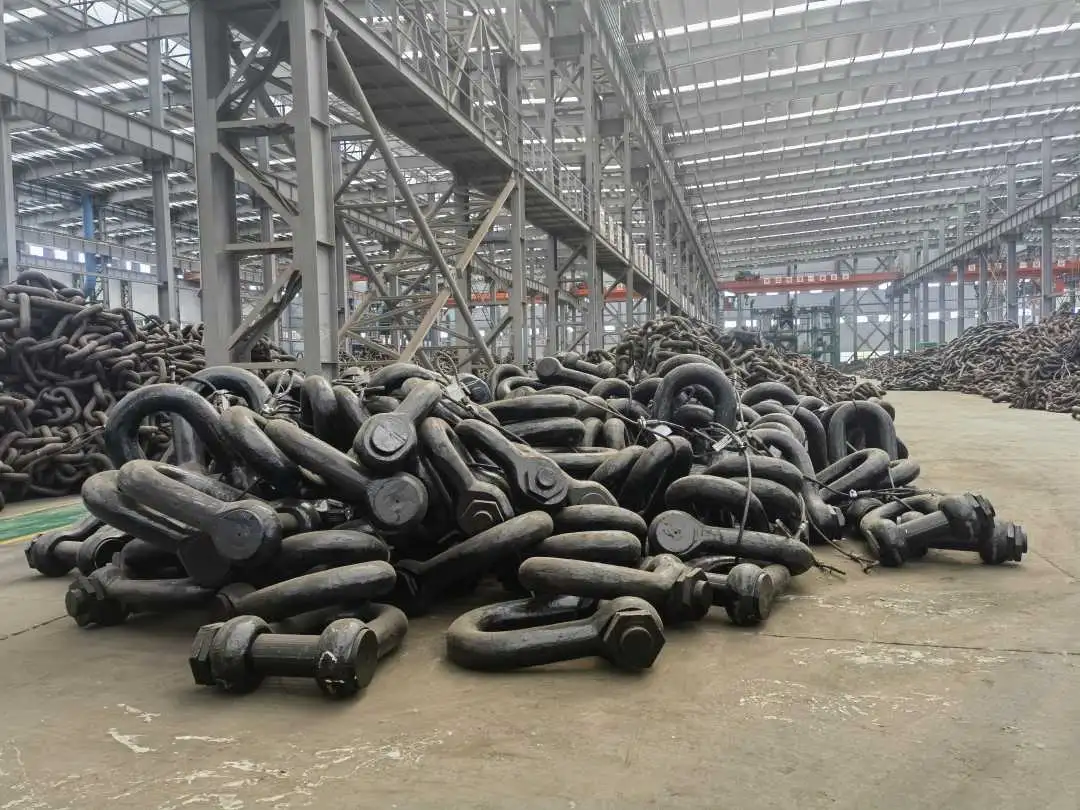
Check the Chain Links
The individual links should be inspected for obvious signs of damage.
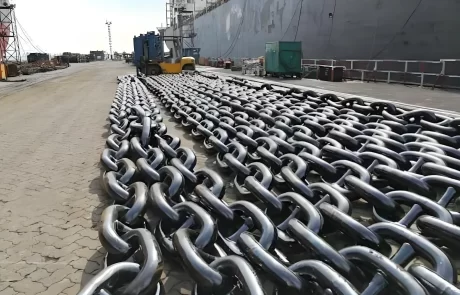
Look for unusual deformation, cracks, deep corrosion or changes in the shape of the links.
A link that looks different from the others deserves closer attention.
Because anchor chains operate under high loads, damaged links should not simply be ignored because the rest of the chain appears to be in good condition.
Look for Corrosion and Wear
Marine equipment naturally develops surface corrosion over time, but severe corrosion can reduce the useful strength of the chain.
Pay particular attention to areas where:
- Corrosion is deeper than normal surface rust
- Metal has become noticeably thinner
- Pitting is visible
- Wear is concentrated in one area
The actual inspection requirements should follow the vessel’s maintenance procedures and applicable standards.
Check the Chain Connection Points
The chain does not work alone. It connects with other parts of the anchoring system, so the connection points also need attention. Depending on the vessel arrangement, inspections may include:
- Anchor connection
- Chain joining components
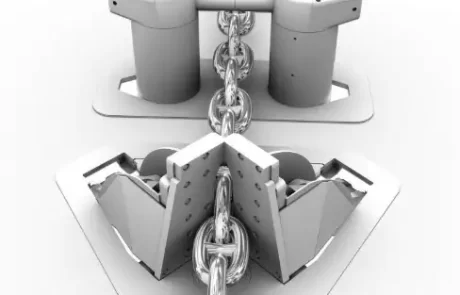
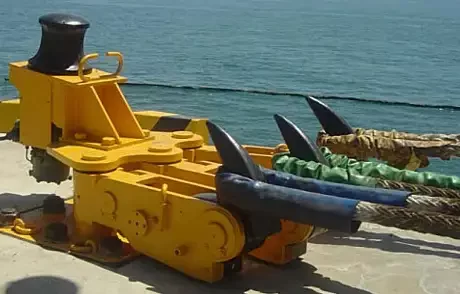
- Chain stopper
- Chain locker
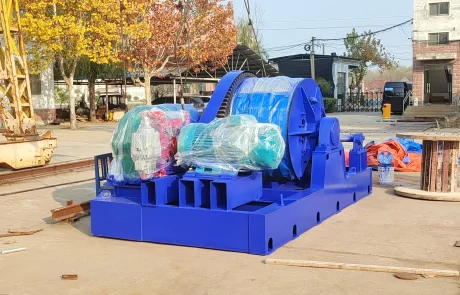
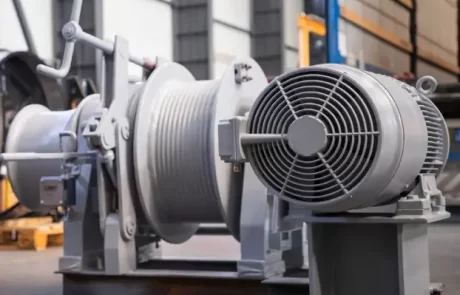
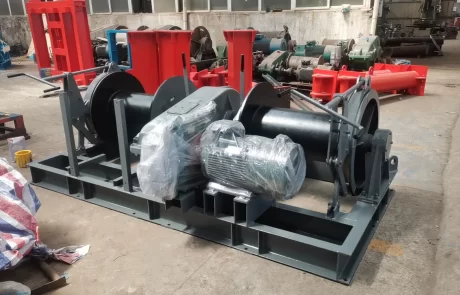
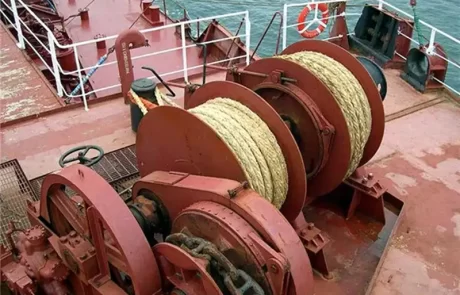
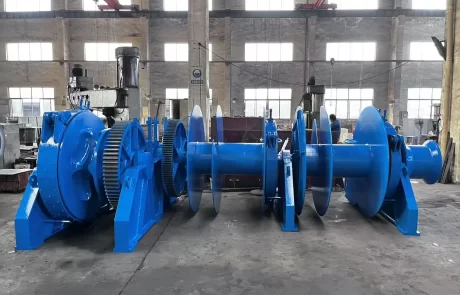
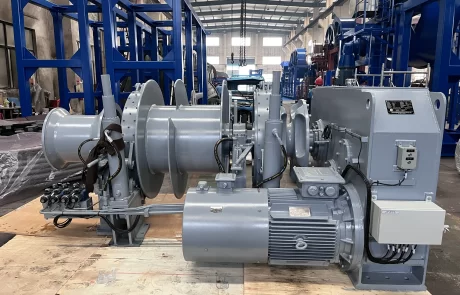
- Windlass or anchor winch
A good chain can still be affected by problems elsewhere in the system.
Chain Locker Conditions Matter Too
The chain locker is often overlooked because it is not visible during normal deck operations. However, poor drainage, accumulated dirt, and standing water can create an environment where corrosion develops more quickly. Keeping the chain locker clean and properly maintained makes inspection easier and helps protect the chain between anchoring operations.
When Should an Anchor Chain Be Inspected?
Inspection frequency depends on vessel type, operating conditions, and the manufacturer’s or vessel operator’s maintenance requirements. Additional inspection may be appropriate after:
- Heavy weather
- High-load anchoring
- Difficult recovery operations
- Unusual chain movement
- Visible equipment damage
If the chain has experienced an abnormal load, it is worth checking the condition before the next operation.
Anchor Chain and Windlass Performance
The chain and windlass need to work together. During recovery, the windlass controls the chain as it comes back onboard. Excessive wear, damaged links or poor chain condition can affect smooth operation. Operators should therefore pay attention to the unusual:
- Noise
- Vibration
- Chain movement
- Loading behavior
Changes in normal operation can be an early indication that equipment needs inspection.
When Should an Anchor Chain Be Replaced?
There is no single replacement interval that applies to every vessel.
Replacement decisions should consider the actual condition of the chain, inspection results, operating history and applicable requirements.
If serious deformation, cracking, excessive wear or significant corrosion is found, the chain should be assessed by a qualified professional before further use.
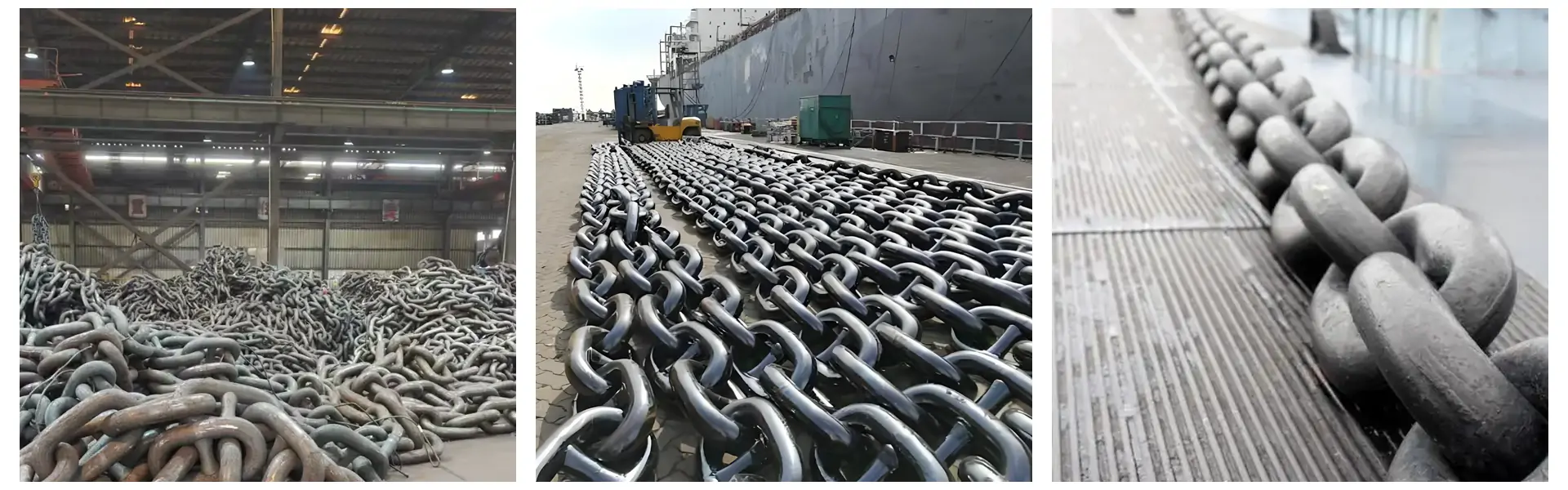
Anchor chains carry heavy loads in some of the harshest conditions found at sea. Regular inspection helps vessel operators identify corrosion, wear, and damaged components before they become larger problems.
Checking the chain itself, along with the chain locker, stopper and anchor-handling equipment, provides a better picture of the condition of the complete anchoring system. Good maintenance is a small investment compared with the cost of an anchoring failure.
FAQ
What should be checked during anchor chain inspection?
Inspectors should look for corrosion, wear, deformation, damaged links, and problems around connection points.
How does corrosion affect an anchor chain?
Severe corrosion can reduce the chain’s effective strength and service life.
Should the chain locker be inspected?
Yes. The chain locker can affect chain condition because moisture, dirt, and poor drainage may accelerate corrosion.
Can a damaged anchor chain still be used?
It depends on the type and severity of the damage. Serious defects should be assessed by a qualified professional before the chain is used again.