Amooring rope does not always run in a straight line from the ship to the shore.
Depending on the berth layout and the position of the mooring point, the rope may need to change direction before leaving the vessel. This is where a fairlead becomes important.
A well-designed fairlead guides the rope along the correct path while helping reduce friction, wear and unnecessary loading on the line.
What Does a Fairlead Do?
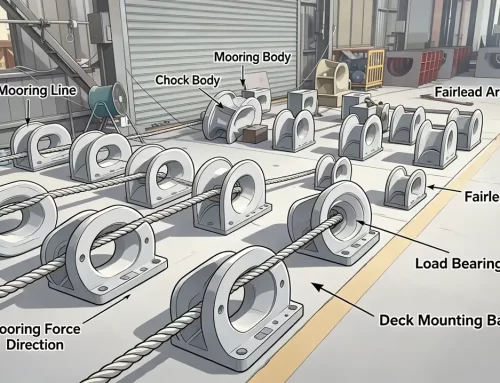
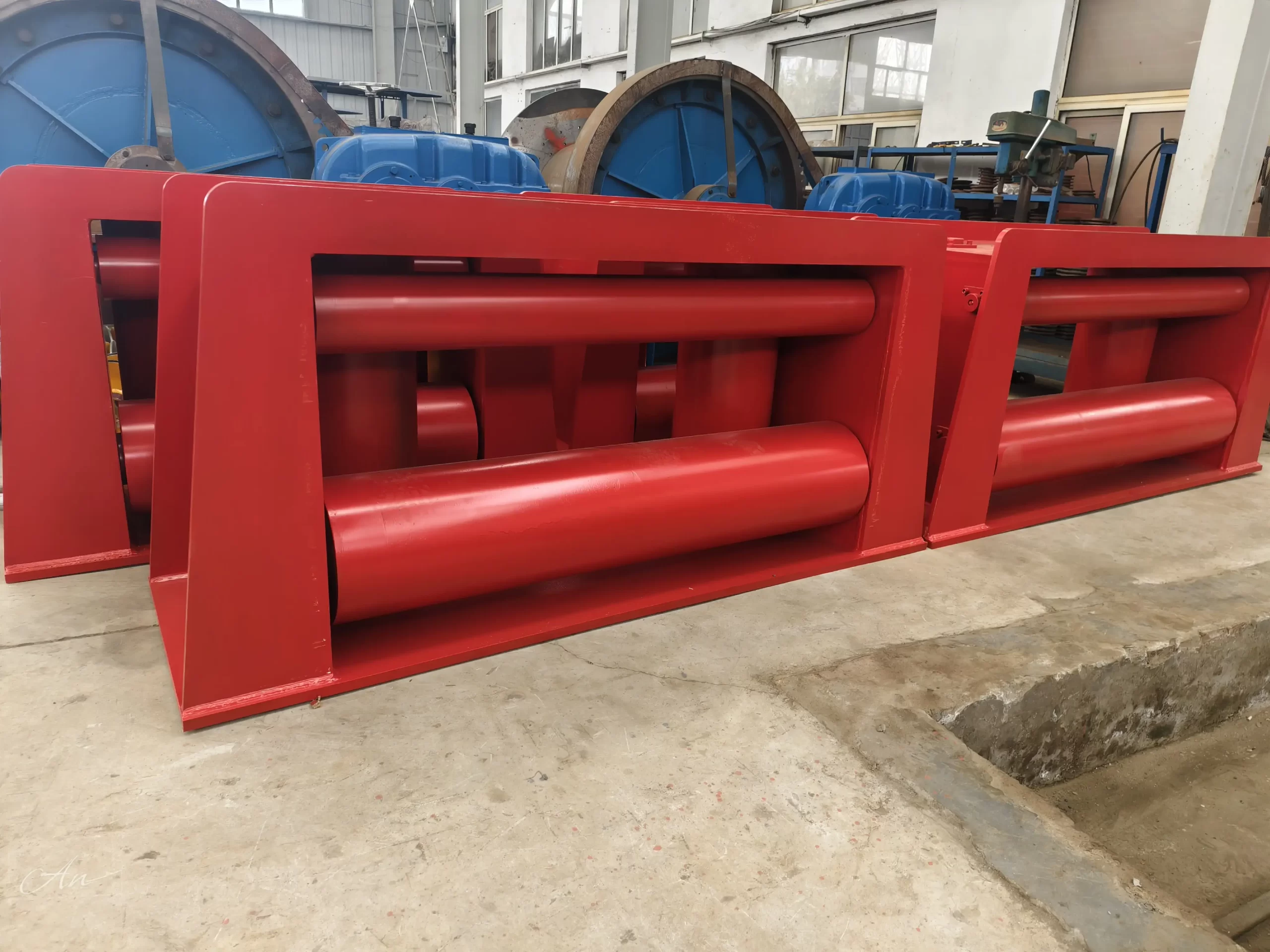
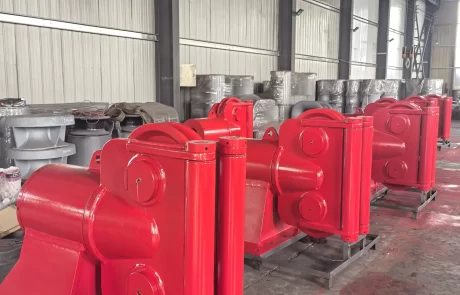
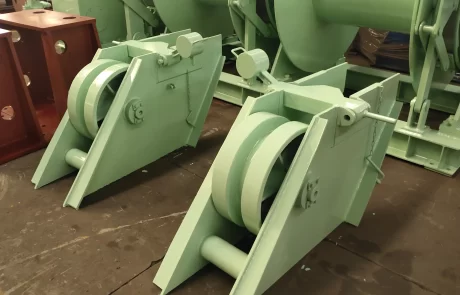
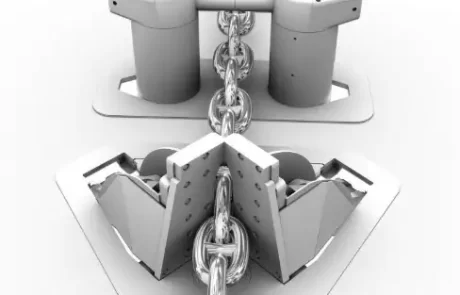
The main job of a fairlead is to guide a mooring line between the vessel and its connection point.
It helps control the direction of the rope and prevents it from moving freely across the deck.
During normal port operations, the fairlead may be exposed to repeated rope movement and changing loads. Its design therefore needs to suit the type of rope and the expected working conditions.
Why Mooring Lines Need Proper Guidance
A mooring line can experience considerable stress when its direction changes.
Without suitable guidance, the rope may rub against:
- Sharp deck edges
- Metal structures
- Other equipment
- Unsuitable contact surfaces
This can cause premature wear and reduce rope service life.
A suitable fairlead provides a controlled point of contact and helps keep the line moving in the intended direction.
Fairleads and Mooring Rope Wear
Rope wear is not always caused by excessive loading.
Repeated movement against a poorly designed or poorly positioned contact point can also damage a line over time.
Common signs include:
- Surface abrasion
- Broken fibers
- Flattened sections
- Localized wear
- Heat damage from friction
Regular inspection of both the rope and fairlead is therefore important.
Where Are Fairleads Used?
Fairleads are found on many types of vessels and marine facilities.
They are commonly used on:
- Cargo ships
- Tankers
- Bulk carriers
- Offshore vessels
- Workboats
- Port and terminal facilities
The actual arrangement depends on the vessel design and mooring plan.
Choosing a Suitable Fairlead
There is no single fairlead design for every application.When selecting one, engineers may consider:
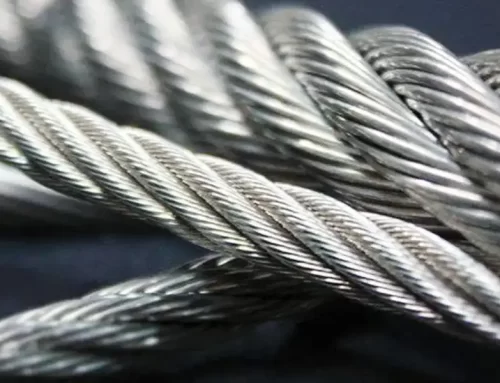
Rope Type—Synthetic fiber ropes and wire ropes have different characteristics and may require different contact arrangements.
Working Load—The fairlead needs to withstand the loads expected during normal and adverse operating conditions.
Rope Direction—The angle at which the line enters and leaves the fairlead affects both equipment loading and rope wear.
Installation Position—The fairlead should be positioned so that the rope can move naturally without unnecessary contact with other structures.
How Fairleads Work With Other Mooring Equipment
A fairlead is only one part of the mooring arrangement.It works together with:
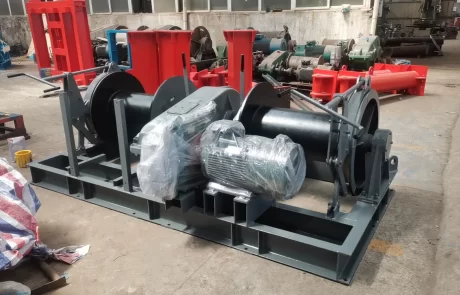
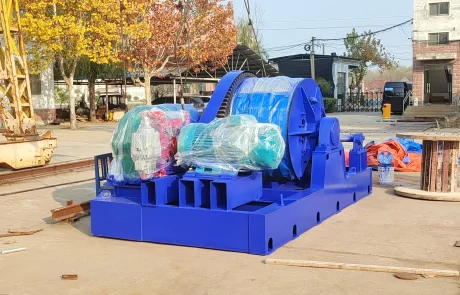
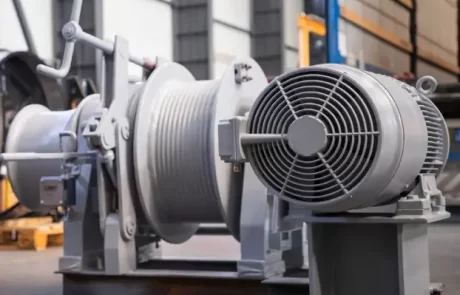
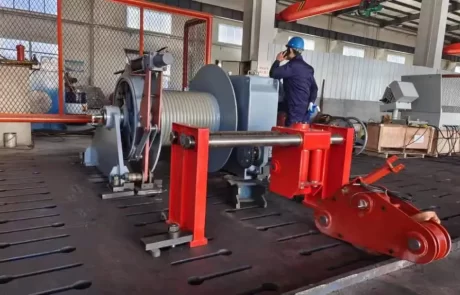
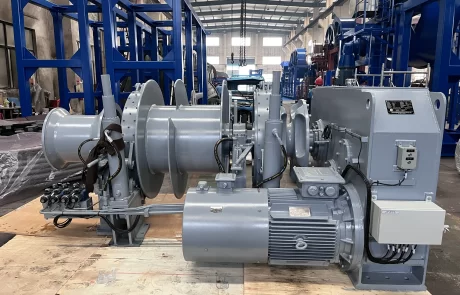
For example, the winch controls the rope, the fairlead guides its direction, and the bollard or hook provides the final connection point.
When these components are properly matched, the entire system operates more smoothly.
Common Fairlead Problems
Most fairlead problems develop gradually.
Corrosion can weaken the structure or affect moving parts. Damaged surfaces can increase rope abrasion. Incorrect positioning may create unusual rope angles and unnecessary loading.
Regular inspection should therefore look at both the fairlead itself and the rope passing through it.
If unusual noise, excessive friction or visible damage appears during operation, the equipment should be checked before continued use.
Fairlead Maintenance
Maintenance requirements depend on the design and operating environment. For marine applications, regular checks should include:
- Corrosion
- Surface condition
- Moving parts
- Mounting points
- Rope contact areas
Keeping the contact surface in good condition is particularly important because even small defects can gradually damage a mooring line.
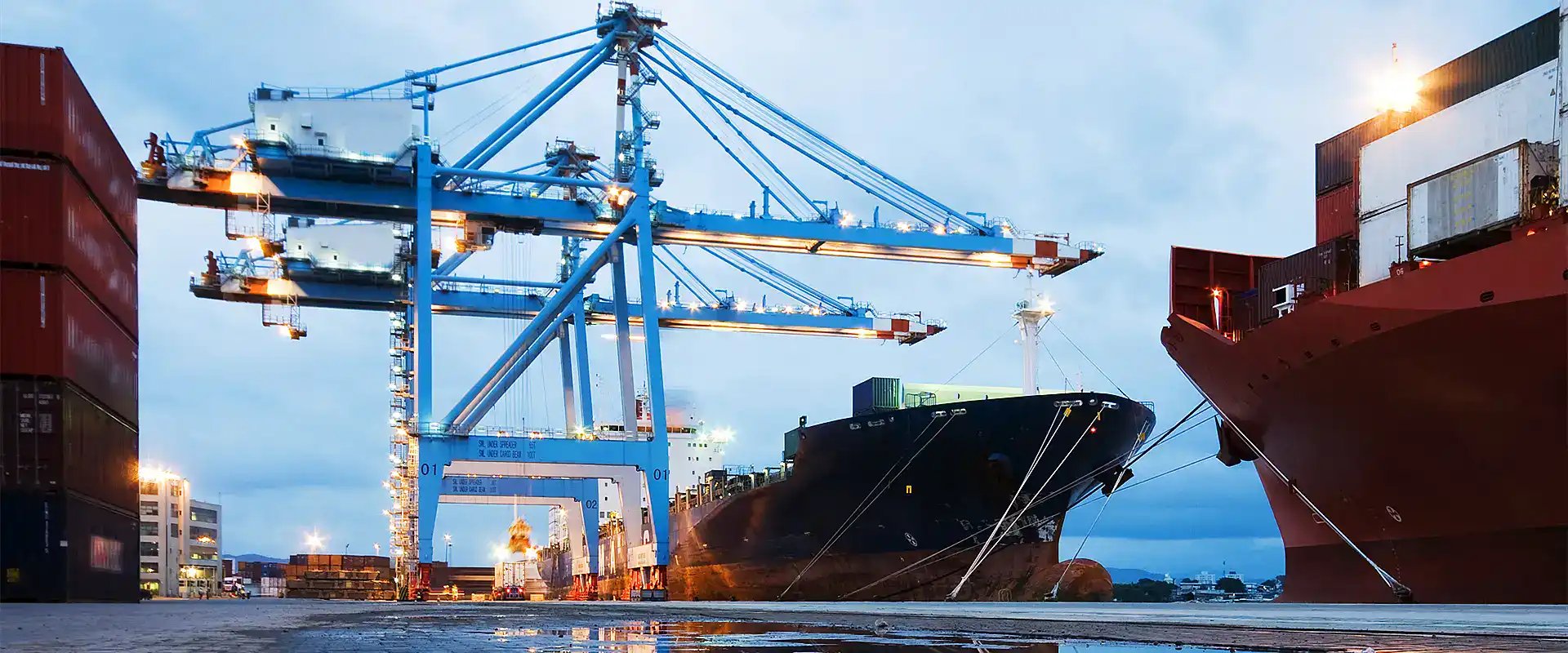
A fairlead may not be the largest piece of equipment on a vessel, but it has an important job.
By guiding mooring lines and controlling their direction, it helps reduce unnecessary rope wear and keeps the mooring arrangement working as intended.
For ports and vessel operators, selecting suitable fairleads and checking them regularly is a simple step that can contribute to safer and more reliable mooring operations.
FAQ
What is a mooring line fairlead?
A mooring line fairlead is a deck fitting that guides a mooring rope and controls its direction between the vessel and the mooring point.
Can a fairlead reduce rope wear?
Yes. A suitable fairlead provides a controlled contact surface and can reduce unnecessary rubbing and abrasion.
Do different ropes require different fairleads?
They can. Synthetic ropes and wire ropes have different properties, so the fairlead should be selected according to the rope and working conditions.
How often should fairleads be inspected?
They should be checked as part of the vessel’s regular mooring equipment inspection, with additional checks when unusual wear or operating conditions occur.