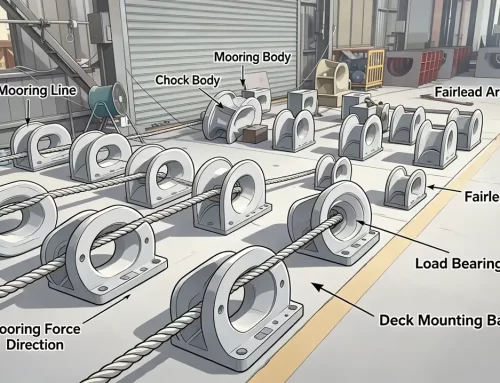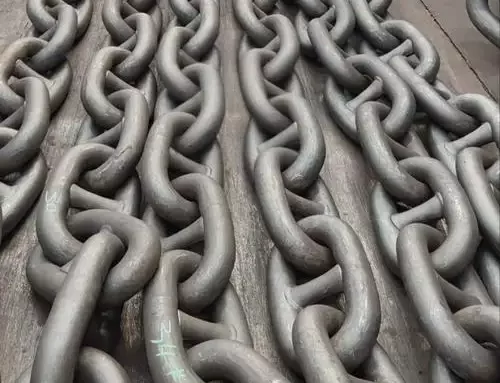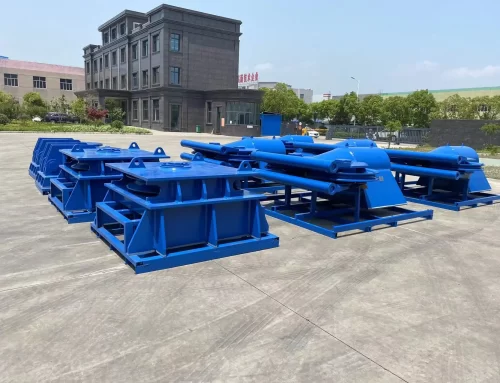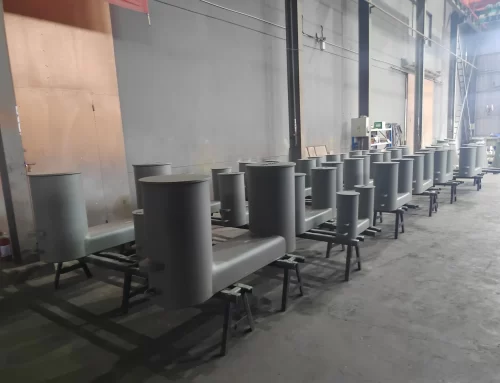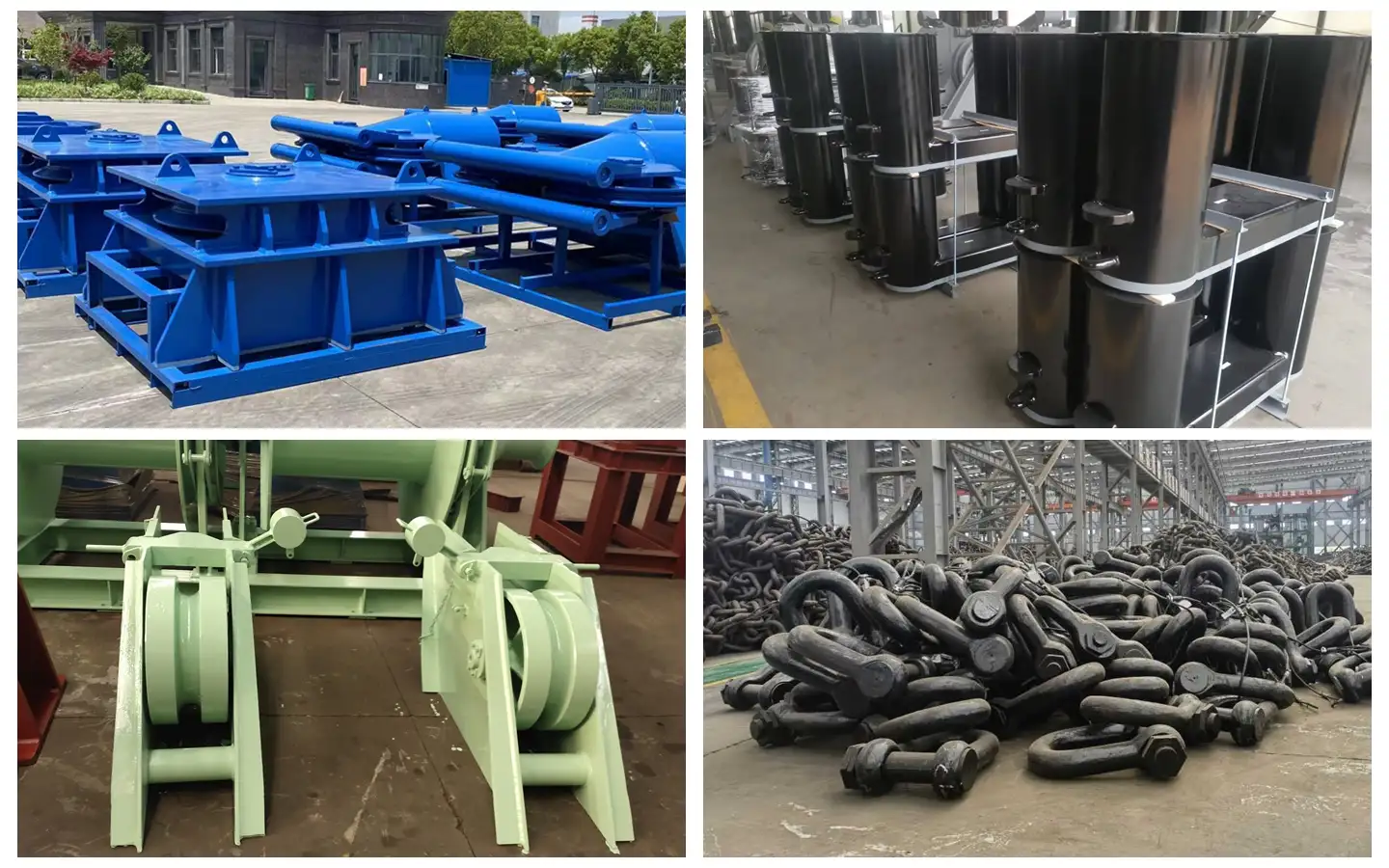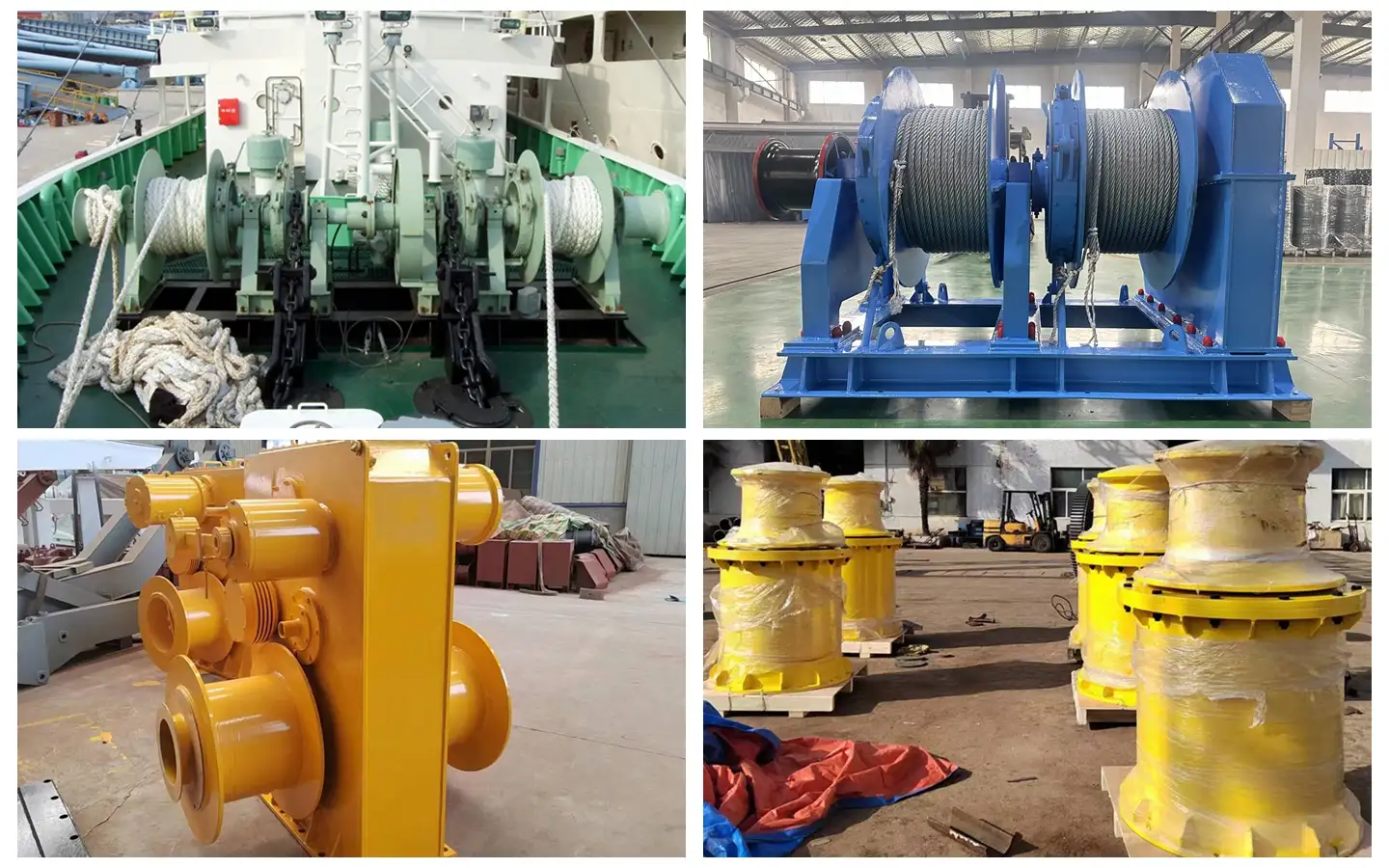
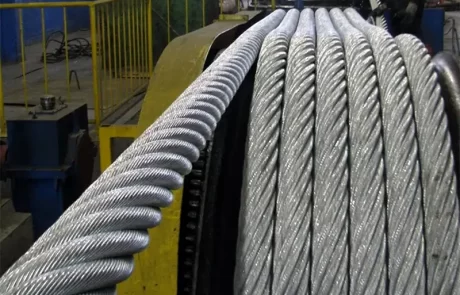
Marine wire rope is used on many types of vessels and deck equipment. It may be part of a winch, lifting system, towing arrangement, or other heavy-duty equipment.
Because wire rope is exposed to tension, friction, seawater and repeated movement, its condition can change over time.
Regular inspection and proper maintenance help operators find problems early and avoid unexpected equipment downtime.
Why Marine Wire Rope Needs Regular Inspection
Wire rope may continue working even when small signs of damage have already appeared. This makes regular inspection important. The main things to watch include:
- Broken wires
- Corrosion
- Abrasion
- Deformation
- Lubrication condition
The actual inspection method and replacement criteria should always follow the applicable rope standard and equipment manufacturer’s requirements.
Check for Broken Wires
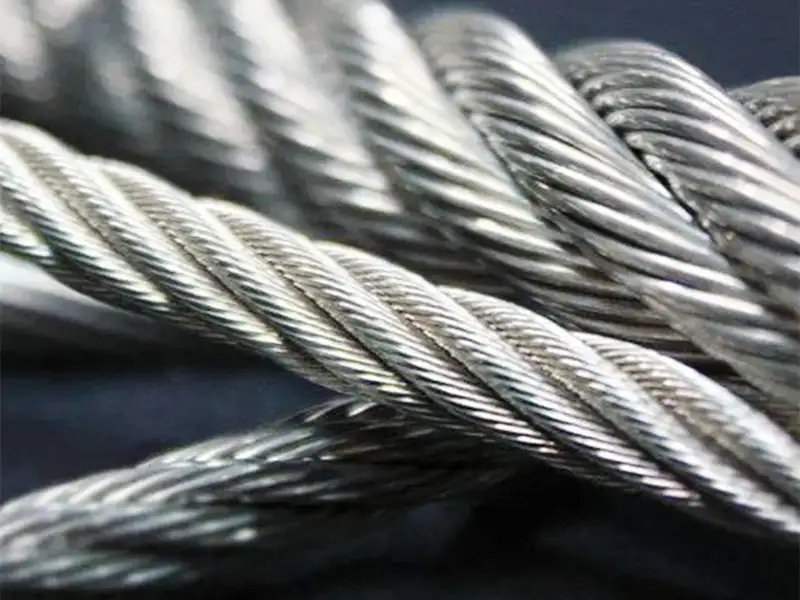
Broken wires are one of the most visible signs of rope deterioration.
A small number of broken wires does not automatically mean the rope must be replaced, but the location and number of broken wires matter.
Pay particular attention to areas that repeatedly pass through:
- Sheaves
- Fairleads
- Drums
- Other contact points
If broken wires are concentrated in one section, the rope should receive closer inspection.
Watch for Corrosion
Marine environments are naturally hard on steel wire rope. Saltwater and moisture can cause corrosion both on the surface and between the rope strands.
Heavy corrosion can reduce the effective strength of the rope and make the wires more brittle. Regular cleaning, suitable lubrication, and proper storage can help slow down corrosion.
Look for Changes in Rope Shape
A healthy wire rope should maintain its normal structure. Problems such as crushing, kinking, birdcaging, or excessive flattening may indicate that the rope has been subjected to abnormal loading or handling.
These defects should not be ignored simply because the rope is still capable of moving equipment. A damaged rope may behave differently under load and create additional safety risks.
Check Areas Where the Rope Runs
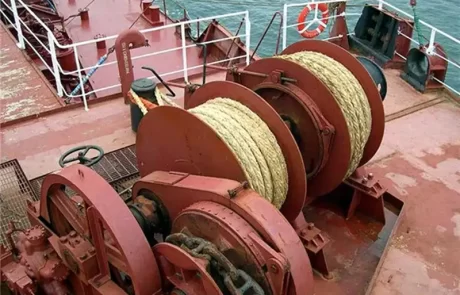
Some sections of a wire rope experience much more wear than others. For marine winches, particular attention should be paid to the areas that repeatedly pass over sheaves or wind onto the drum.
If the same section of rope is always exposed to bending and friction, localized wear can develop faster than expected. This is one reason why inspection should cover the entire working length rather than only the visible end.
Lubrication Helps Protect Wire Rope
Proper lubrication helps reduce friction between individual wires and strands. It can also provide additional protection against moisture and corrosion.
However, lubrication should be suitable for the rope and its operating environment. Applying an unsuitable product or simply covering heavy contamination with new lubricant does not solve the underlying problem.
The rope should be cleaned and inspected according to the maintenance procedure before lubrication.
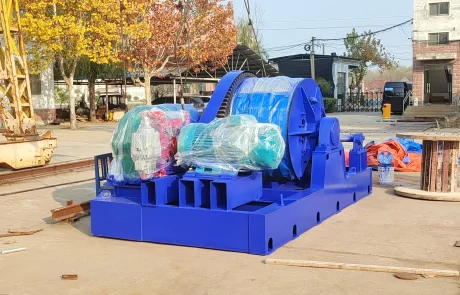
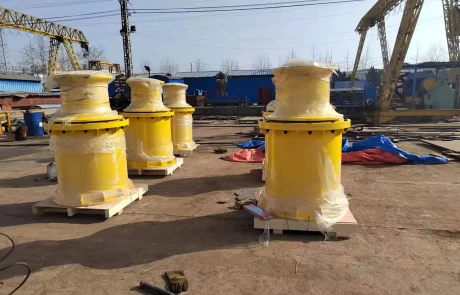
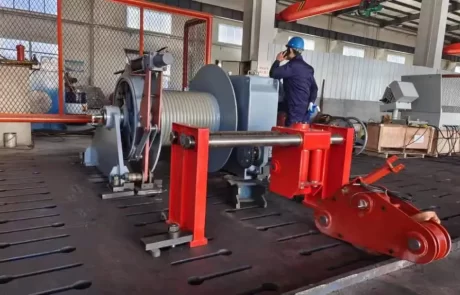
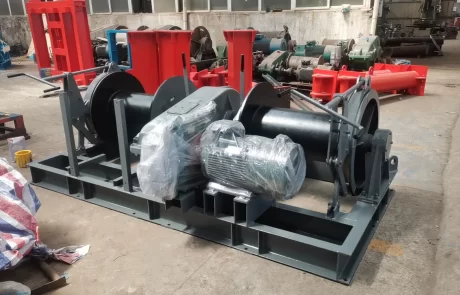
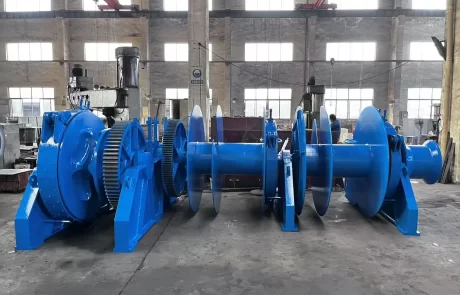
Wire Rope and Marine Winches
A wire rope does not work independently. Its service life is strongly affected by the equipment using it. For example, problems with:
- Sheave alignment
- Drum winding
- Fairlead position
- Excessive loading
can increase rope wear.
If a new rope begins to deteriorate unusually quickly, it is worth checking the winch and related equipment instead of simply replacing the rope again.
When Should Marine Wire Rope Be Replaced?
Replacement should be based on actual rope condition rather than a fixed assumption that every rope has the same service life. Factors include:
- Amount of broken wires
- Corrosion level
- Wear
- Deformation
- Operating history
- Applicable inspection standards
If the rope shows serious damage or does not meet the relevant discard criteria, it should be removed from service.
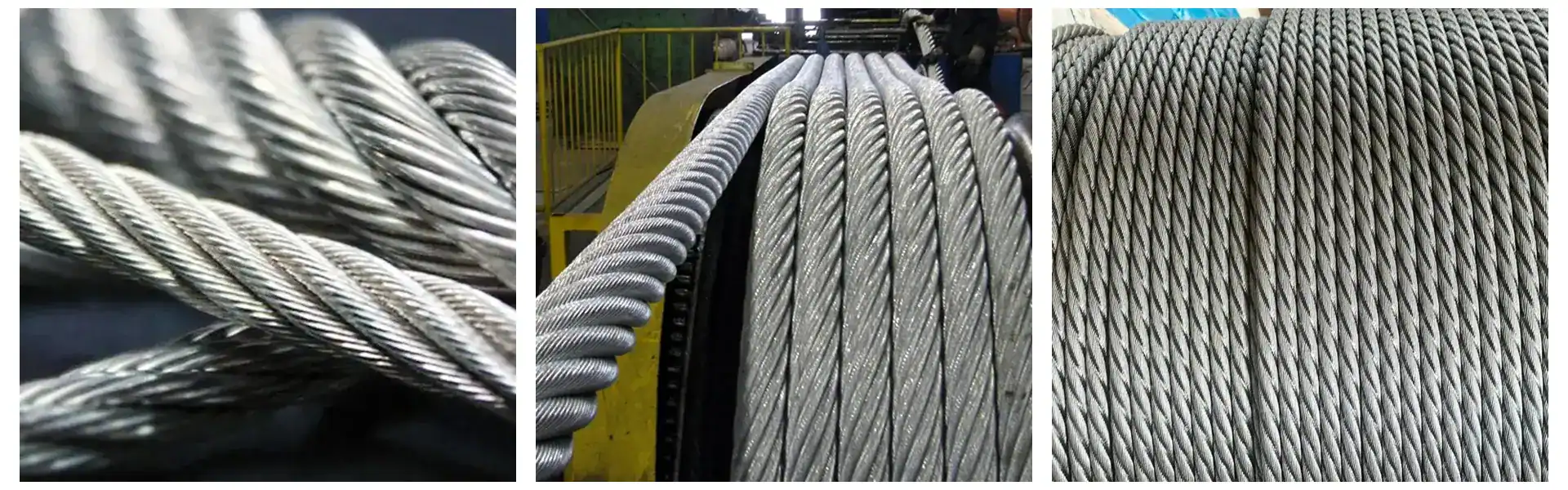
How to Extend Wire Rope Service Life
Good operating habits can make a noticeable difference. Avoid sudden shock loading whenever possible, keep the rope properly aligned, and make sure drums and sheaves are in suitable condition.
When the equipment is not being used for long periods, protecting the rope from unnecessary exposure to seawater and moisture can also help. Good rope maintenance is much easier when inspection becomes part of normal equipment operation rather than something done only after a problem occurs.
Marine wire rope works under demanding conditions, but many common problems can be identified before they become serious. Checking for broken wires, corrosion, deformation and localized wear gives operators a better understanding of rope condition.
Just as importantly, rope maintenance should be considered together with the condition of the winch, sheaves, fairleads and other equipment. A good maintenance routine protects both the rope and the equipment it operates with.
FAQ
How often should marine wire rope be inspected?
Inspection frequency depends on the equipment, operating conditions, and applicable standards. Regular visual checks should be part of normal operations, with more detailed inspections carried out as required.
What causes marine wire rope to wear?
Common causes include repeated bending, abrasion, excessive loading, poor alignment, corrosion and improper handling.
Does lubrication extend wire rope life?
Suitable lubrication can reduce friction and help protect against corrosion, but it cannot compensate for serious mechanical damage or incorrect equipment operation.
Can corroded wire rope still be used?
Minor surface corrosion does not necessarily mean immediate replacement, but significant corrosion should be assessed against the applicable discard criteria before continued use.