Mooring ropes are strong, but they are not designed to rub directly against sharp steel edges or rough deck structures.
During vessel operations, a rope may change direction several times before reaching its final connection point. Every contact area can create friction and wear. Proper mooring rope protection helps reduce this damage and can extend rope service life.
Why Mooring Ropes Wear on Deck
A mooring rope can be exposed to repeated movement whenever the vessel responds to wind, waves, or changes in tide. If the rope moves against an unsuitable surface, friction can gradually damage the outer fibers. Common causes include:
- Sharp deck edges
- Rough metal surfaces
- Incorrect rope angles
- Repeated movement
- Excessive tension
The problem may start with minor surface wear but become more serious over time.
Sharp Edges Are a Common Problem
Steel deck structures can have edges that look harmless but can cause significant rope damage.
When a loaded rope moves across an edge, the contact area becomes highly stressed.
Repeated movement can result in:
- Fiber abrasion
- Cuts
- Flattened sections
- Localized damage
This is especially important for synthetic fiber ropes because their outer fibers can be sensitive to abrasion.
How Fairleads Help Protect Mooring Ropes
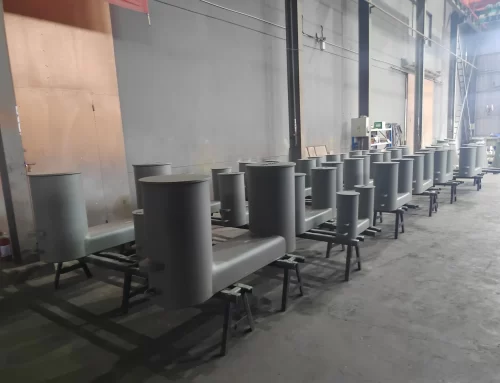
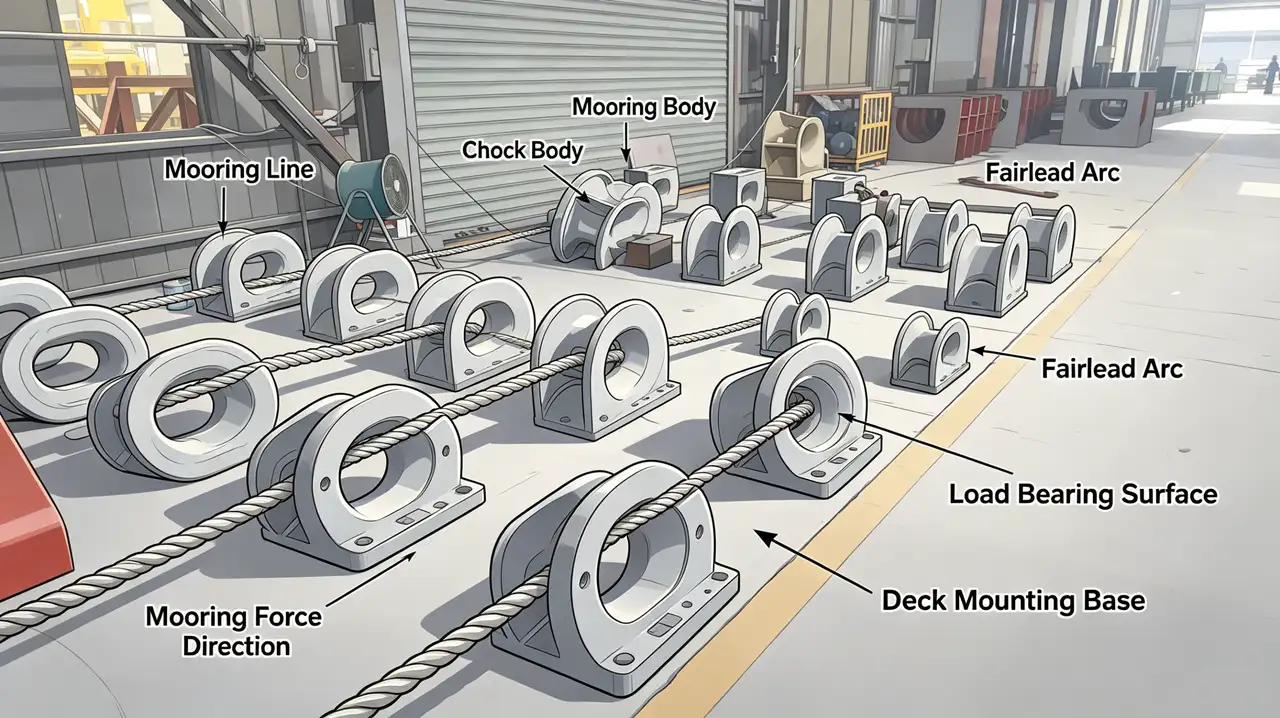
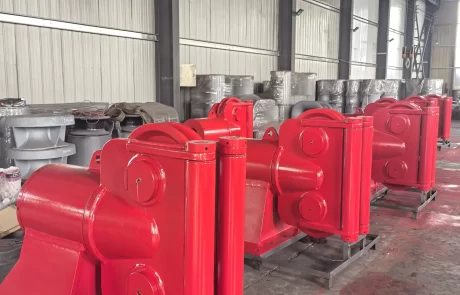
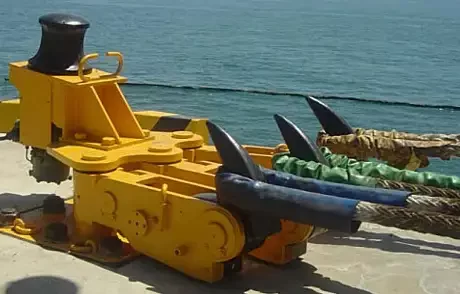
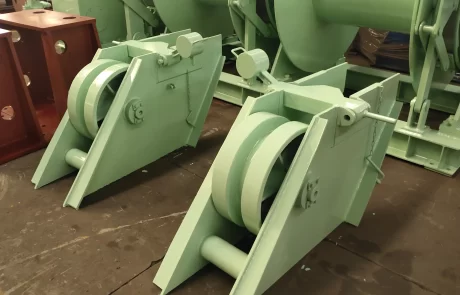
A fairlead provides a controlled path for the rope. Instead of allowing the line to move freely across the deck, the fairlead guides it toward the intended mooring point. A suitable design can help:
- Control rope direction
- Reduce unnecessary rubbing
- Maintain a smoother rope path
- Protect nearby deck structures
The fairlead should be selected according to the rope type, expected loads, and rope angle.
What Is a Marine Chock Used For?
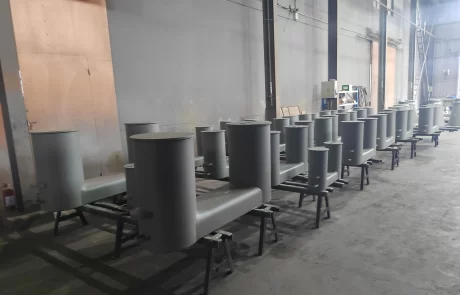
A marine chock is another type of deck fitting used to guide and protect ropes as they pass through the vessel’s structure.
Depending on its design, a chock can help create a smoother transition between the deck and the outside mooring point.
This is particularly useful where the rope needs to pass through a fixed opening or change direction.
Synthetic Ropes Need Special Attention
Modern vessels increasingly use synthetic fiber ropes for various mooring applications. These ropes offer advantages such as:
- Low weight
- Good flexibility
- Easy handling
But they still need protection from excessive abrasion, sharp edges, and unsuitable contact surfaces. A rope that looks strong enough for the load can still have a reduced service life if the contact conditions are poor.
Rope Protection Depends on the Whole System
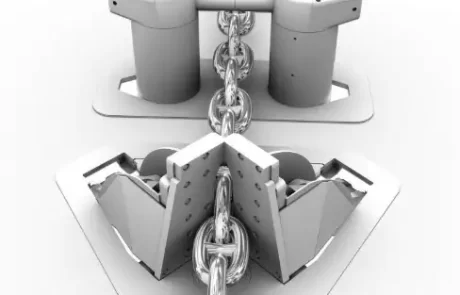
Protecting a mooring rope is not simply a matter of adding one fitting. The complete arrangement should be considered. This includes:
- Rope type
- Fairlead
- Chock
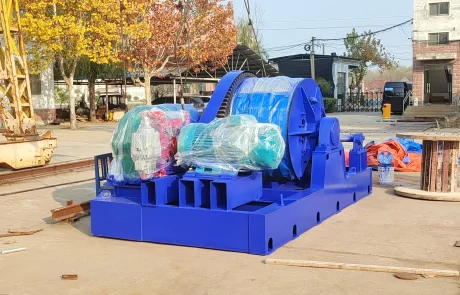
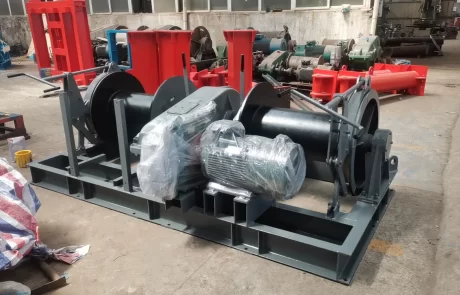
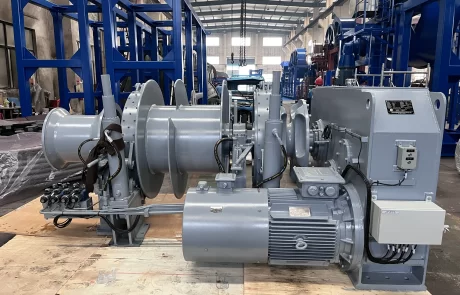
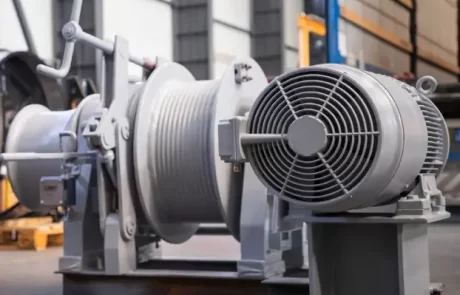
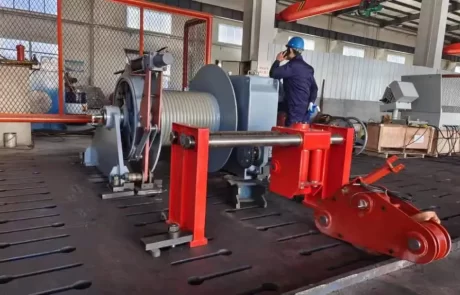
- Mooring winch
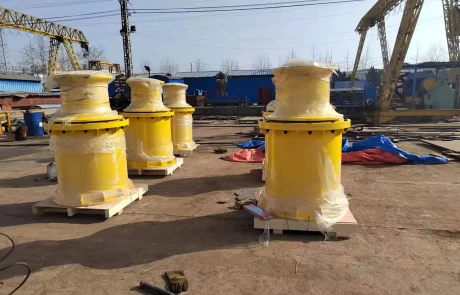
- Bollard
- Rope angle
- Expected movement
If one part of the system creates excessive friction, the rope can still wear quickly even when the other components are correctly selected.
Signs That a Mooring Rope Needs Attention
Operators should pay attention to visible changes in the rope. Warning signs can include:
- Frayed fibers
- Abrasion marks
- Flattened sections
- Broken strands
- Discoloration from heat or friction
The area around fairleads and chocks deserves particular attention because these are common contact points. If significant damage is found, the rope should be assessed according to the applicable inspection requirements.
How to Reduce Mooring Rope Wear
Several simple measures can help.
Keep contact surfaces smooth and make sure the rope follows the intended path. Avoid sharp, unnecessary bends, and check that fairleads and chocks are correctly positioned.
Regular inspection is also important.
A small damaged area is much easier to deal with than a rope that has already suffered serious deterioration.
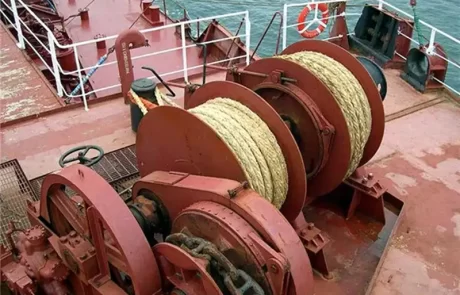
Good mooring rope protection starts with proper equipment selection and a sensible rope path.
Fairleads, chocks and other deck fittings help control how a rope moves and reduce unnecessary contact with steel structures.
For vessel operators, checking these contact points regularly is a simple way to reduce rope wear and improve the reliability of everyday mooring operations.
FAQ
Why does mooring rope wear so quickly?
Repeated friction, sharp edges, excessive tension, and poor rope routing can all accelerate wear.
What protects mooring rope from sharp edges?
Fairleads, marine chocks and other suitable deck fittings can guide the rope and reduce direct contact with sharp structures.
Are synthetic ropes more sensitive to abrasion?
Synthetic ropes can be affected by abrasion and heat, so suitable contact surfaces and proper rope handling are important.
How can mooring rope service life be improved?
Correct rope routing, suitable deck fittings, regular inspection, and proper operating practices can all help reduce unnecessary wear.