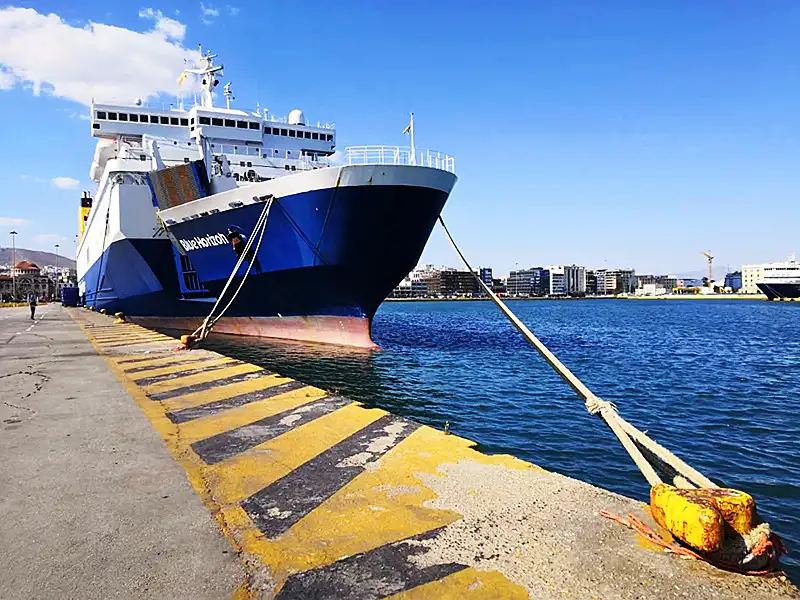
When a ship drops anchor, the goal is simple: keep the vessel safely in position.
However, sometimes the anchor cannot hold the seabed properly, and the vessel slowly moves away from its intended position. This situation is known as anchor dragging.
Anchor dragging can create serious risks, especially near ports, offshore facilities or in bad weather. Understanding why it happens helps ship operators make better decisions and improve anchoring safety.
What Happens When an Anchor Drags?
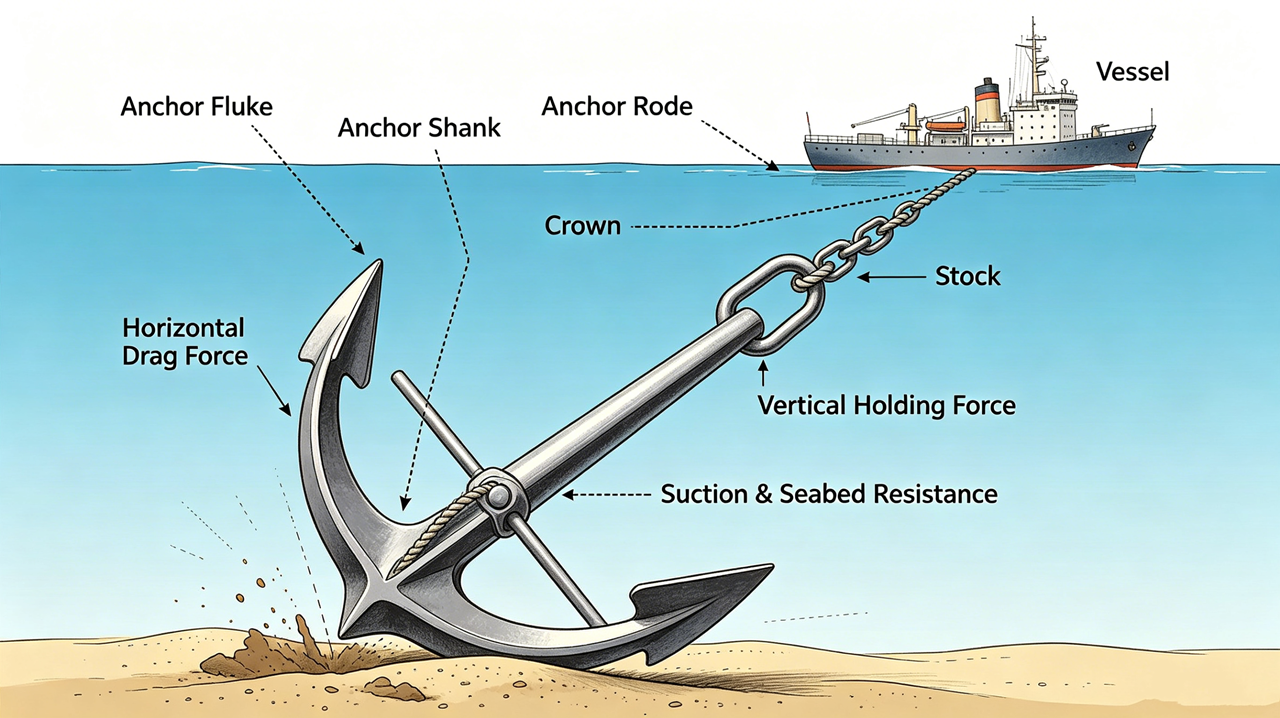
An anchor works by creating resistance against the seabed. When the holding force is lower than the forces acting on the vessel, the anchor may move instead of staying fixed.
During anchor dragging, a vessel may:
- Move away from the planned anchoring position
- Swing beyond the expected area
- Approach nearby vessels or structures
- Increase stress on the anchor equipment
Modern vessels usually monitor their position carefully to detect movement as early as possible.
Strong Wind and Current
Weather conditions are one of the most common causes.
Strong wind, waves and ocean currents create additional forces on the vessel. If these forces become greater than the anchor holding capacity, dragging may occur.
This is especially important for:
- Large cargo vessels
- Tankers
- Offshore support vessels
- Floating structures
Poor Seabed Conditions
Different seabeds provide different holding performance.
For example:
- Soft mud may not provide enough resistance
- Hard rock may prevent proper penetration
- Loose sand may reduce holding ability in some conditions
Understanding seabed conditions is an important part of safe anchoring.
Incorrect Anchor Deployment
Even a high-quality anchor cannot work properly if it is not deployed correctly.
Common operational mistakes include:
- Dropping the anchor too quickly
- Using insufficient anchor chain length
- Failing to check the final holding position
- Applying excessive load before the anchor is properly set
Good anchoring practice is just as important as equipment quality.
Equipment Problems
Anchor dragging can also be related to equipment condition.
Possible issues include:
- Worn anchor components
- Damaged chain links
- Incorrect chain length
- Poor maintenance of anchoring equipment
Regular inspection helps identify problems before they affect vessel safety.
How Ships Reduce the Risk of Anchor Dragging
Experienced crews use several methods to improve anchoring reliability.
Check Weather Conditions—Before anchoring, operators review:
- Wind forecast, Tide changes, Wave conditions, Storm risks
Use the Correct Scope—The ratio between anchor chain length and water depth is important. More chain length usually creates a better holding angle, but the correct amount depends on the vessel, location, and conditions.
Monitor Vessel Position—Modern ships often use GPS and navigation systems to monitor whether the vessel remains within the expected anchoring area. Early detection allows crews to take action before a dangerous situation develops.
Maintain Anchoring Equipment—Regular checks of:
Help ensure the complete system works properly when needed.
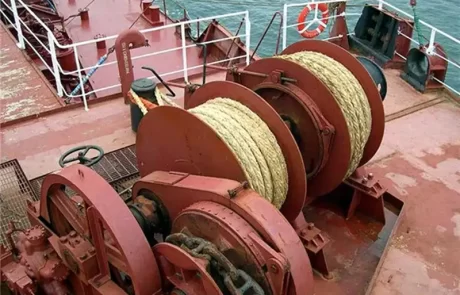
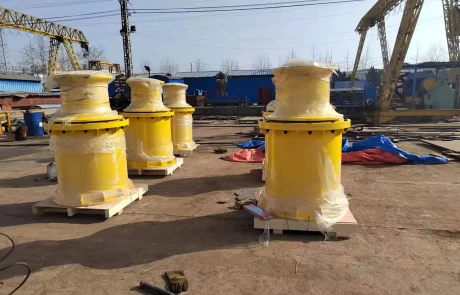
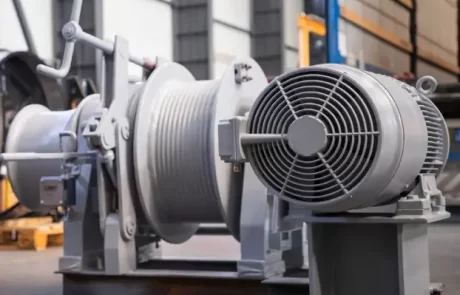
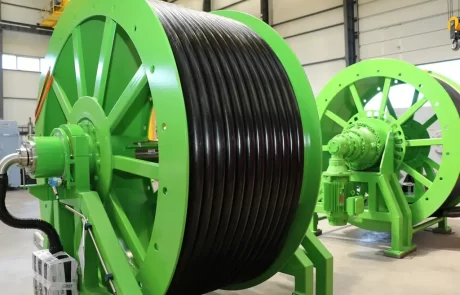
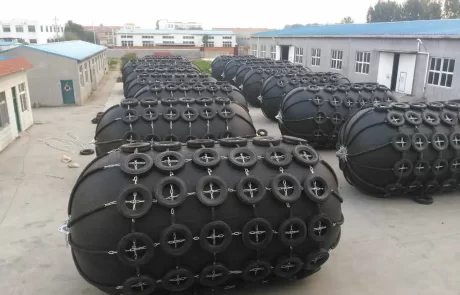
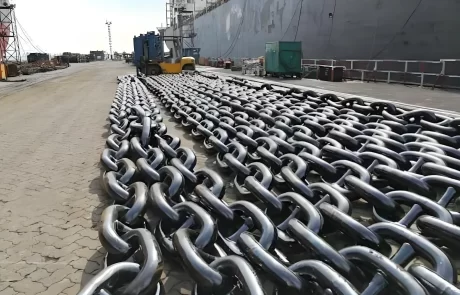
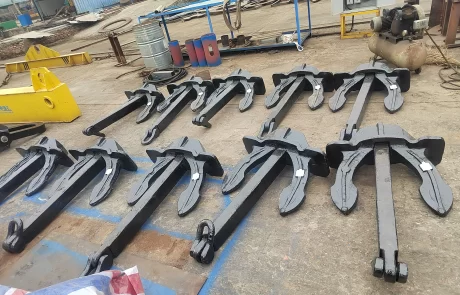
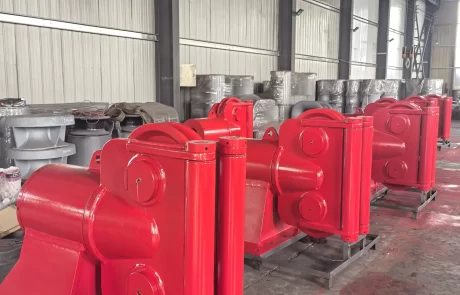

Why Anchor Equipment Must Work as a System
A ship’s anchoring ability depends on more than the anchor itself.
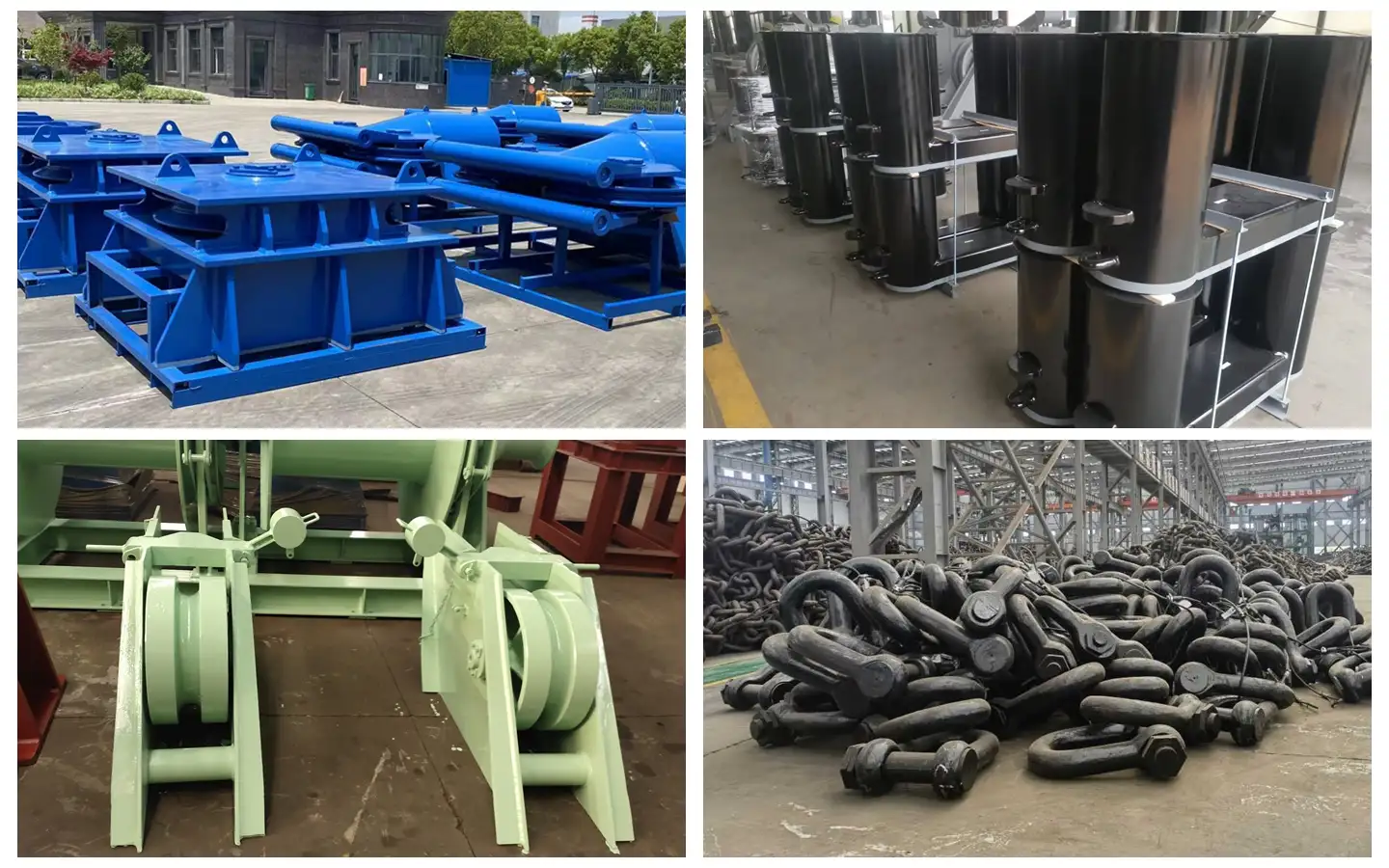
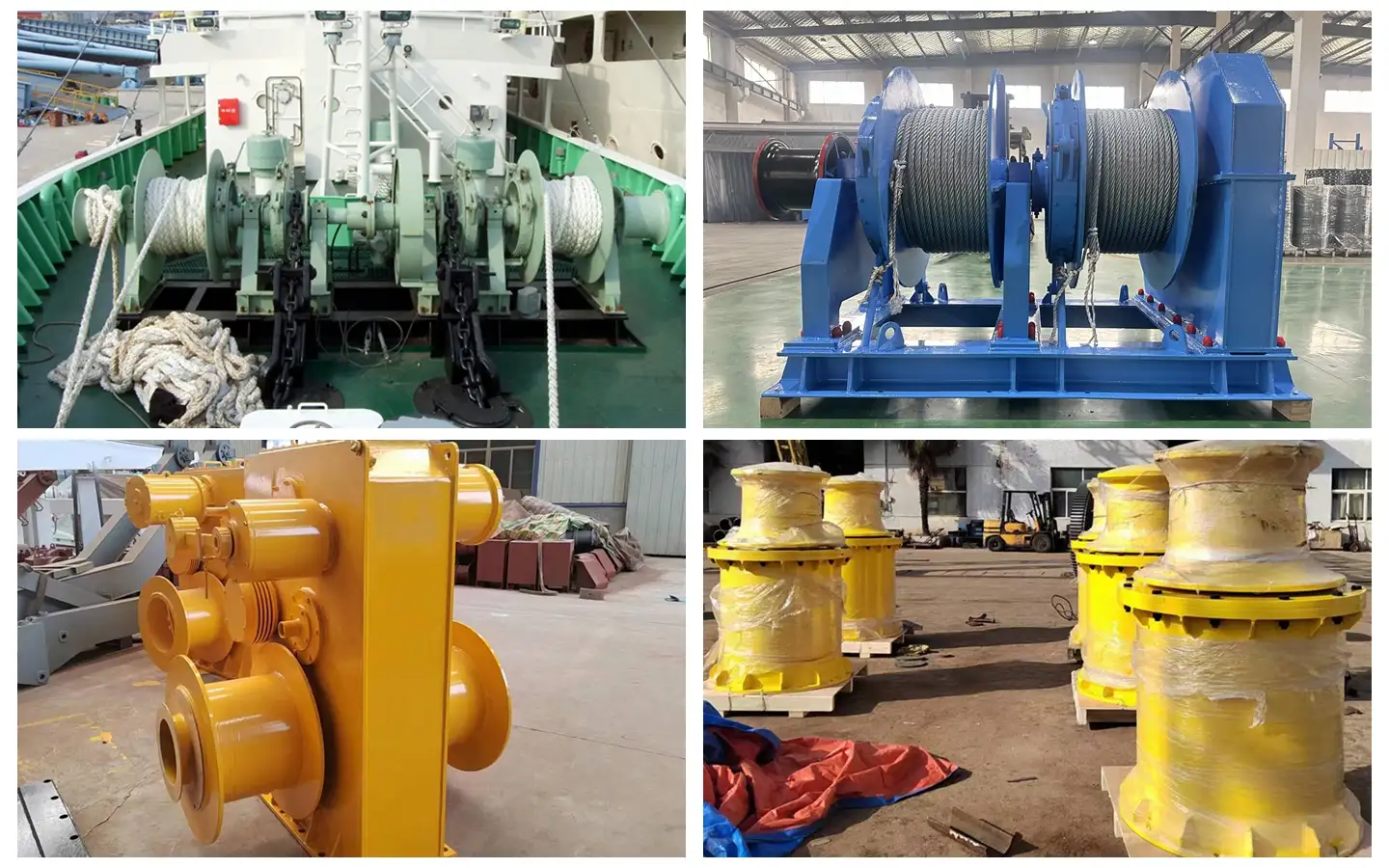
The complete system includes:
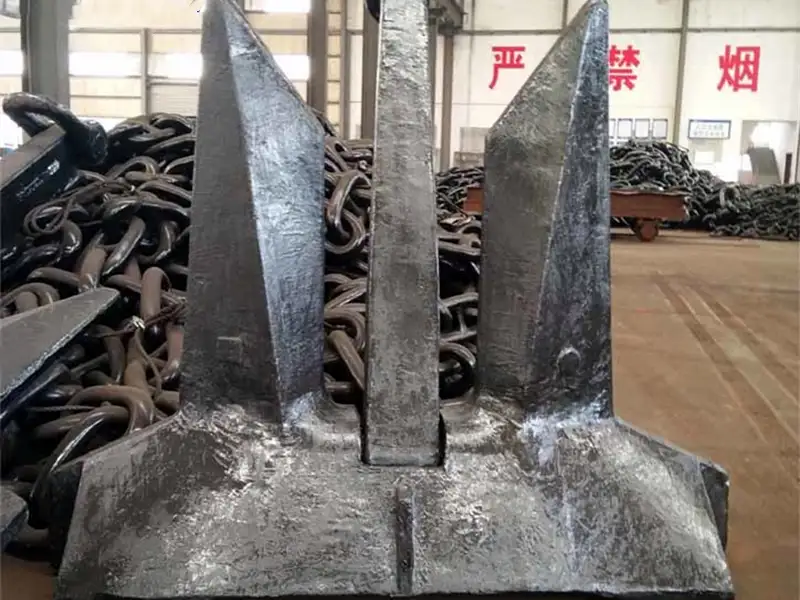
- Marine anchor
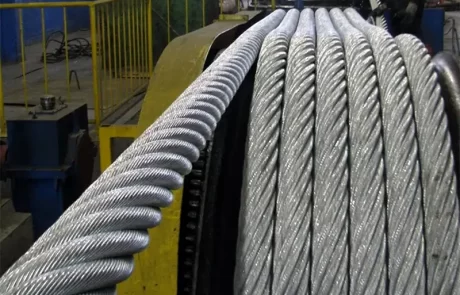
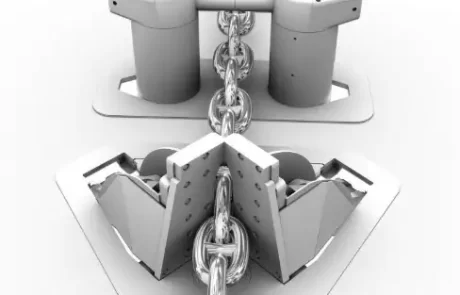
- Anchor chain
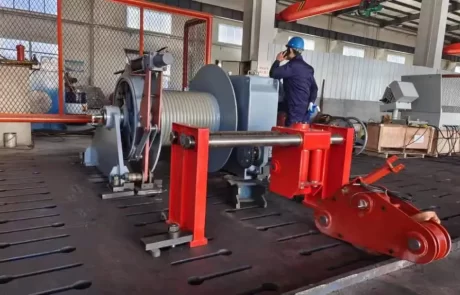
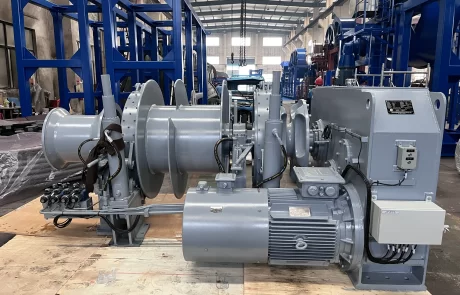
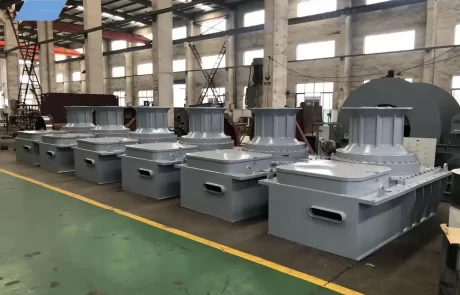
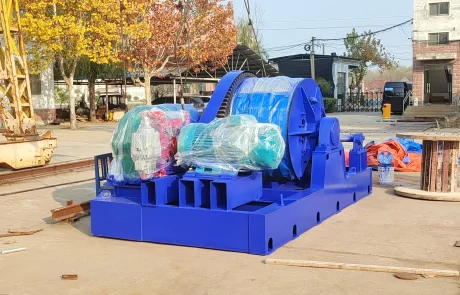
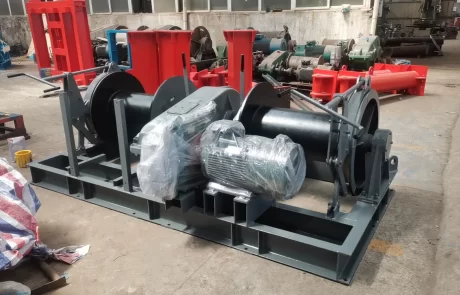
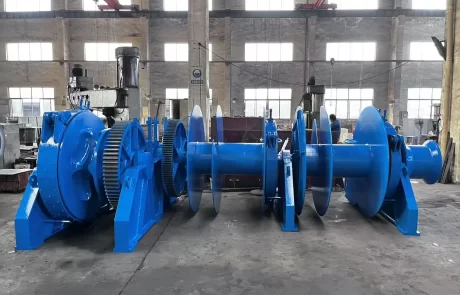
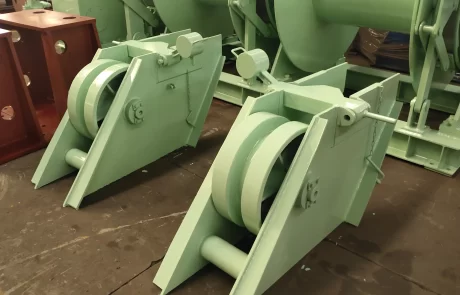
- Anchor winch
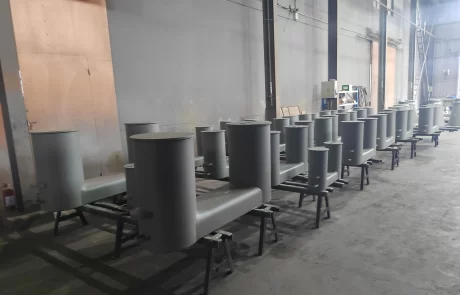
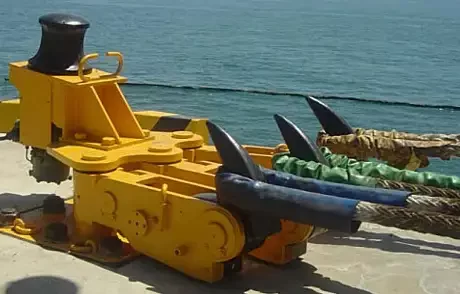
- Chain stopper
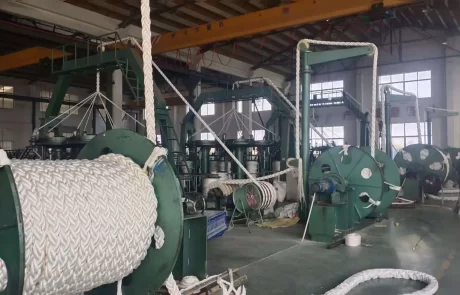
- Supporting deck equipment
Each component has a specific role. A strong anchor cannot perform well if the chain, winch or related equipment is unsuitable or poorly maintained.
Anchor Dragging During Offshore Operations
Offshore environments create additional challenges.
Floating platforms, offshore vessels and support ships may experience:
- Stronger currents
- Deeper water
- Longer operating periods
- Changing weather conditions
For these applications, anchoring and mooring systems usually require more detailed engineering and careful equipment selection.
Anchor dragging is usually caused by a combination of environmental conditions, seabed characteristics, operational factors and equipment condition.
By understanding the main causes and maintaining the complete anchoring system properly, ship operators can reduce risks and improve safety during anchoring operations.
Good preparation before anchoring is often the most effective way to prevent problems later.
FAQ
Why does a ship anchor drag?
A ship anchor may drag when external forces from wind, waves or currents become stronger than the anchor’s holding ability.
Can anchor dragging happen with large ships?
Yes. Even large vessels can experience anchor dragging during storms, strong currents or unsuitable anchoring conditions.
Does more anchor chain prevent dragging?
Using the correct amount of anchor chain can improve holding performance, but other factors such as seabed conditions and weather also affect the result.
How do crews know if an anchor is dragging?
Ships usually monitor position changes through navigation systems and compare the vessel’s actual position with the expected anchoring area.