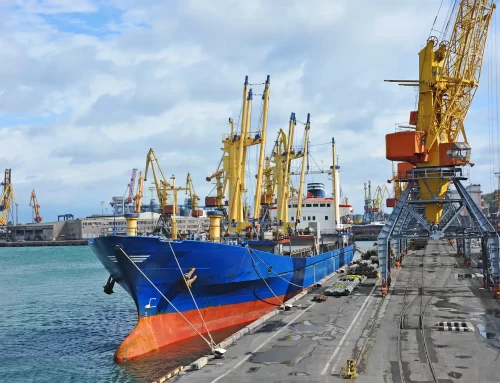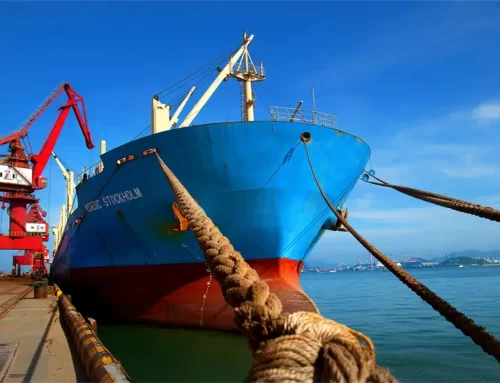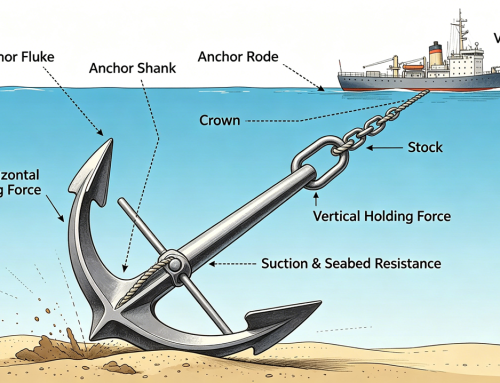
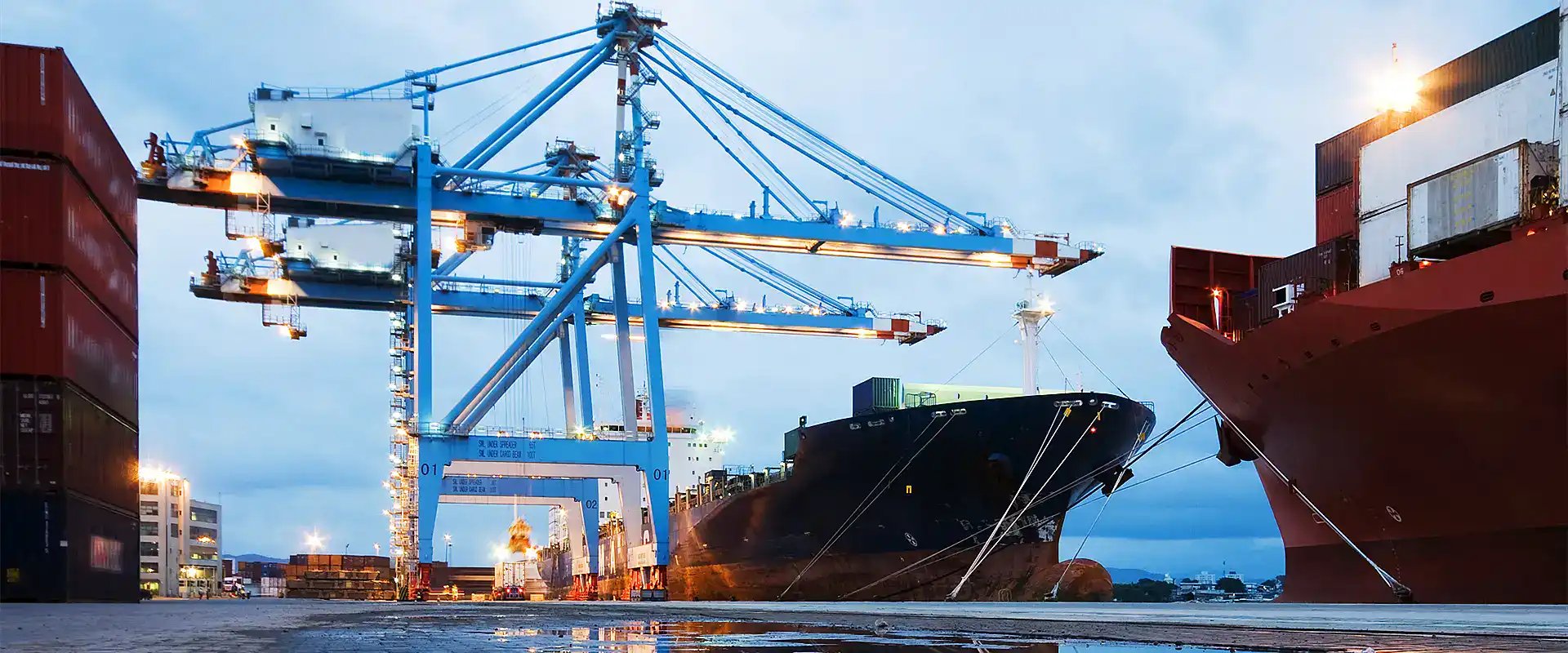
When a vessel arrives at a port, keeping it safely secured is one of the most important operations.
A ship may stay alongside a berth for hours or even days, but during this time it is constantly affected by wind, waves, current and vessel movement.A reliable mooring arrangement helps keep the vessel in the correct position and protects both the ship and port facilities.
However, many mooring problems can occur if equipment selection, operation or maintenance is not handled properly.
Why Mooring Safety Is Important
A vessel at berth is not completely stationary. Even when secured, it continues to move because of:
- Wind
- Waves
- Tidal changes
- Passing vessels
- Loading and unloading activities
These movements create changing loads on mooring lines and equipment. Without proper control, excessive forces can lead to:
- Rope damage
- Equipment failure
- Vessel movement
- Safety hazards for workers
Main Equipment Used in Safe Mooring Operations
A reliable mooring arrangement usually includes several key components.
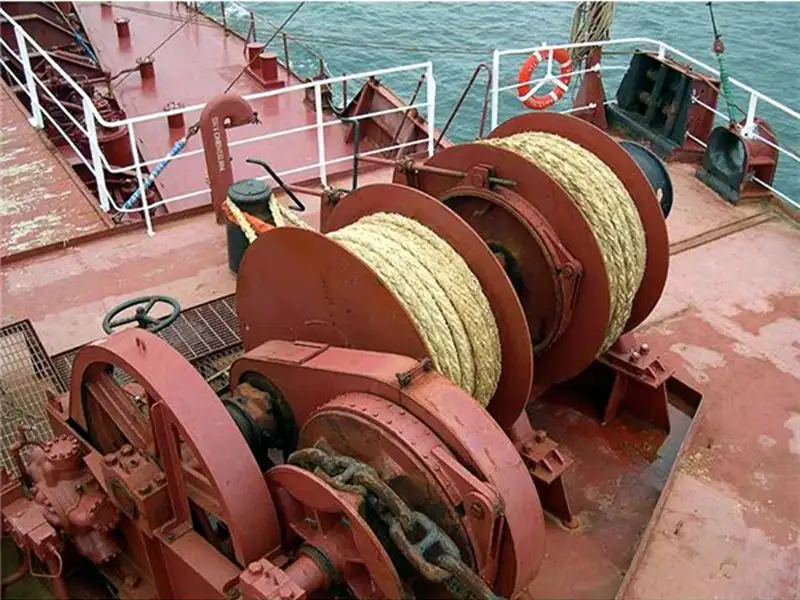
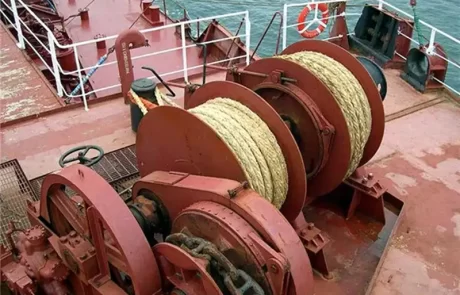
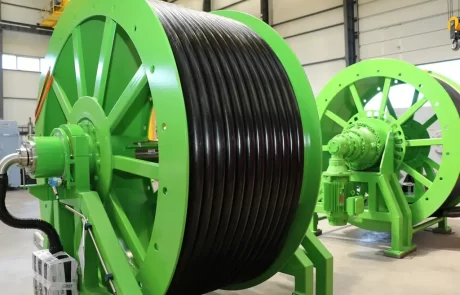
Mooring Lines
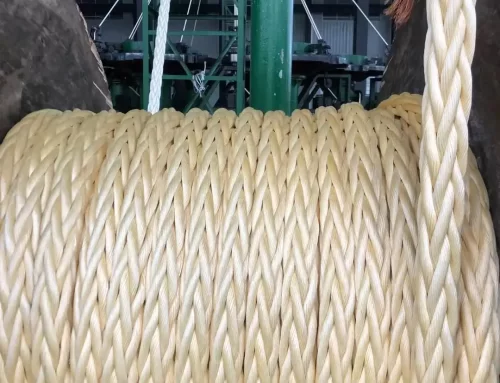
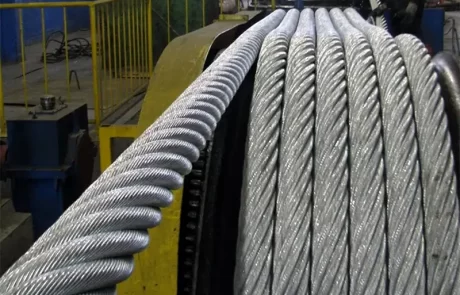
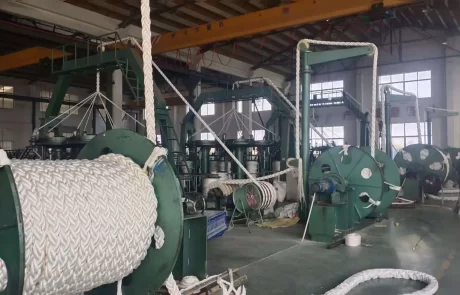
Mooring ropes connect the vessel to shore equipment.
They must provide enough strength and flexibility while handling repeated loading during port operations.
Mooring Line Damage
Mooring ropes connect the vessel to shore equipment.
They must provide enough strength and flexibility while handling repeated loading during port operations.
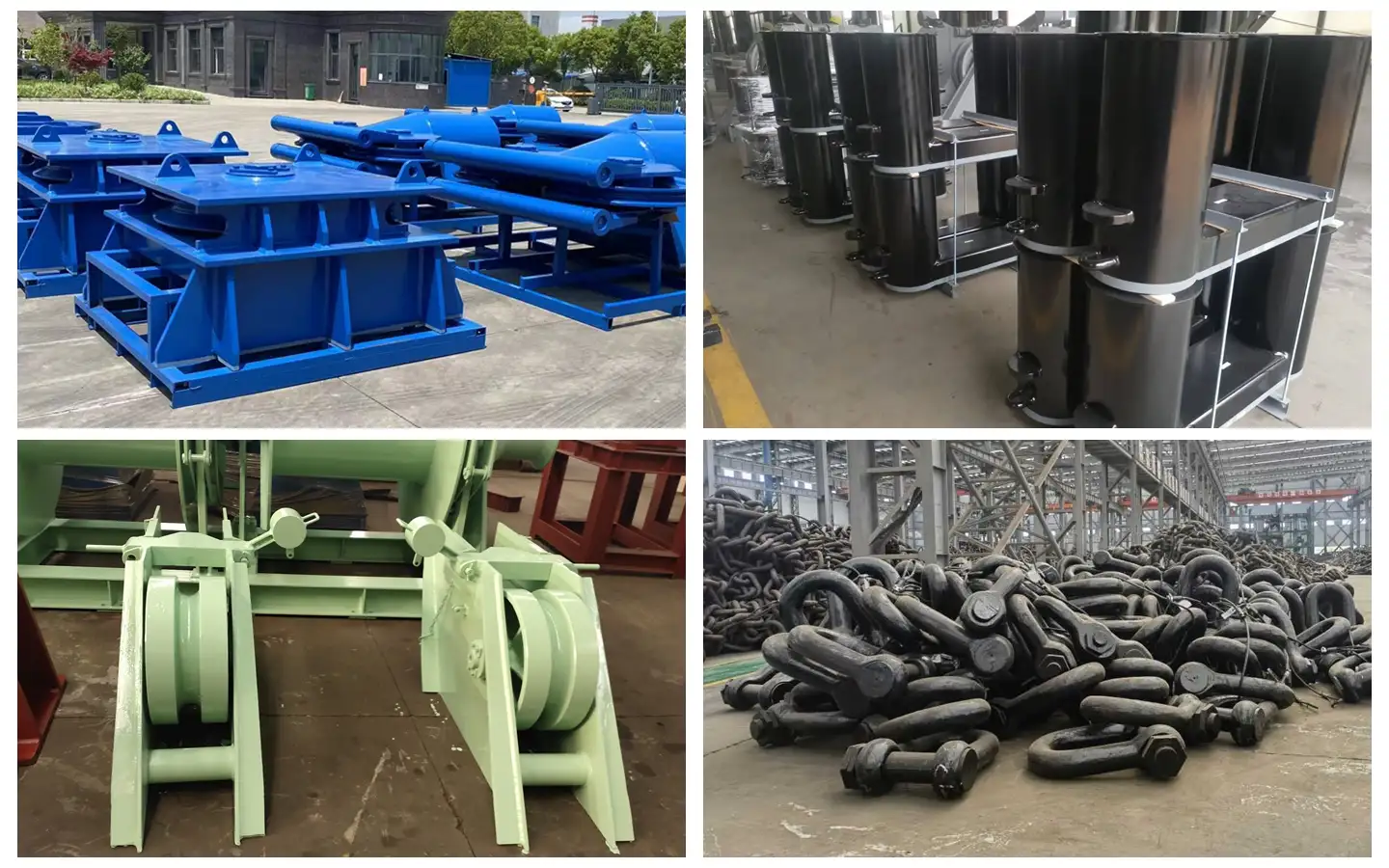
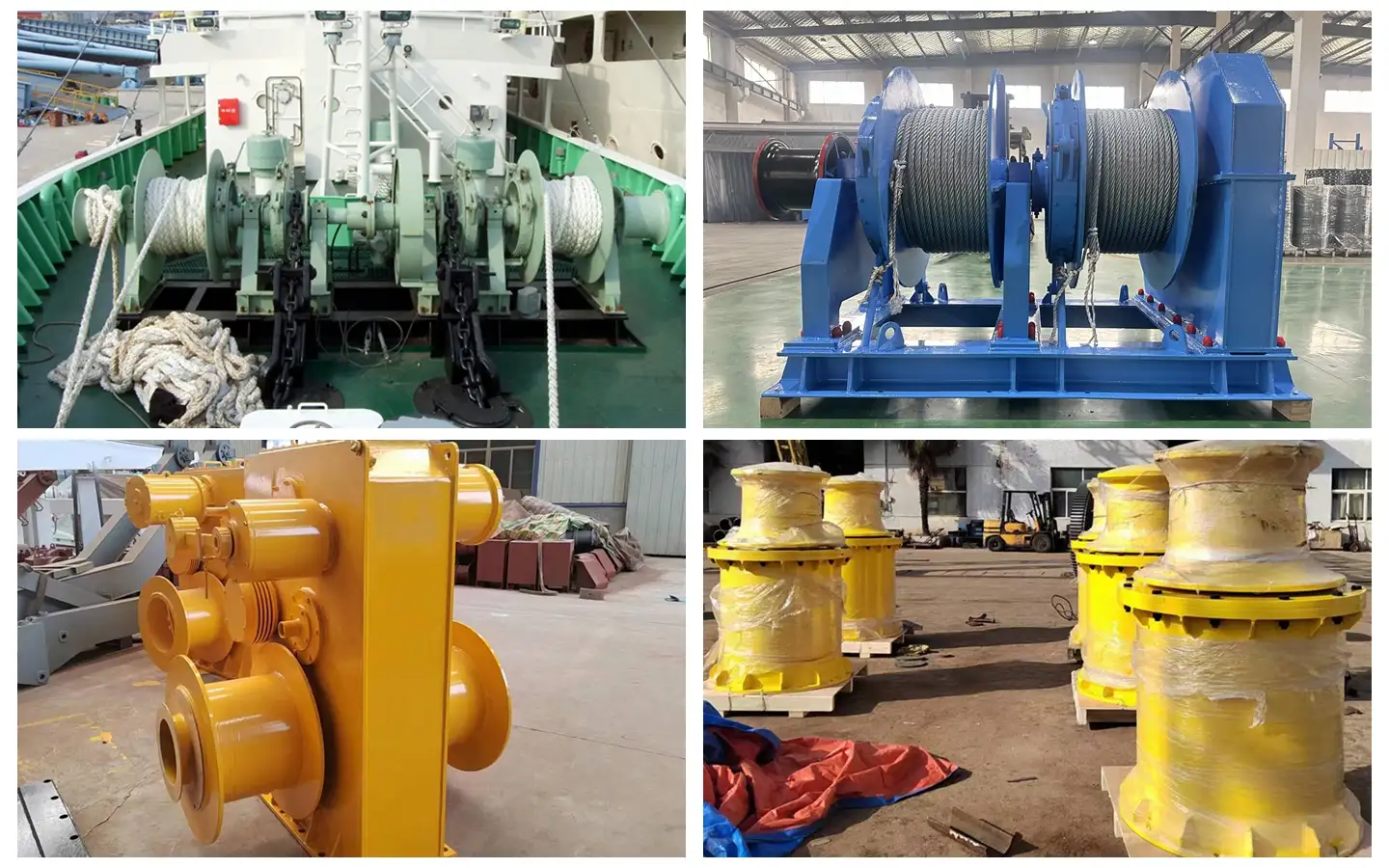
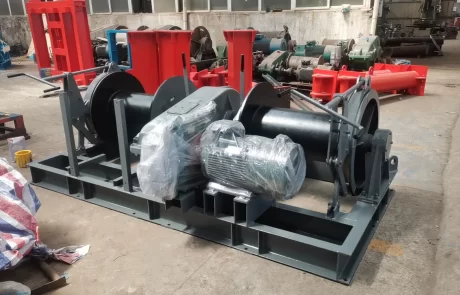
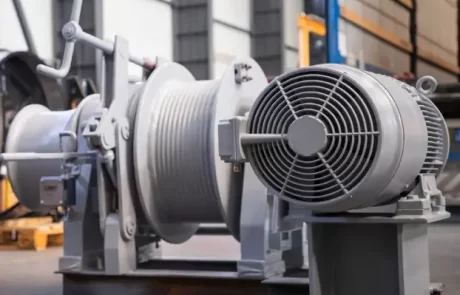
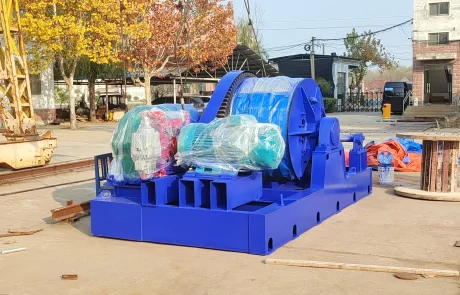
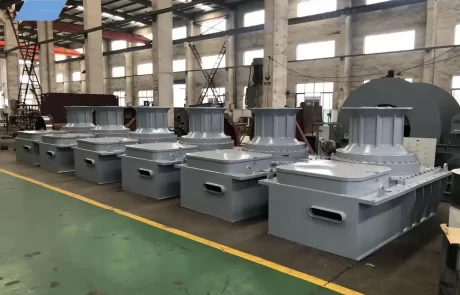
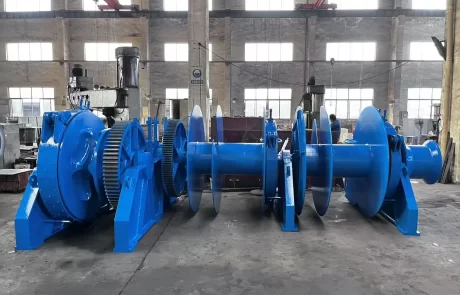
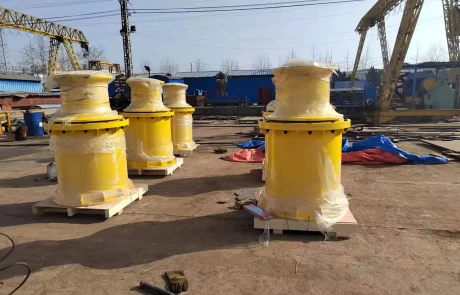
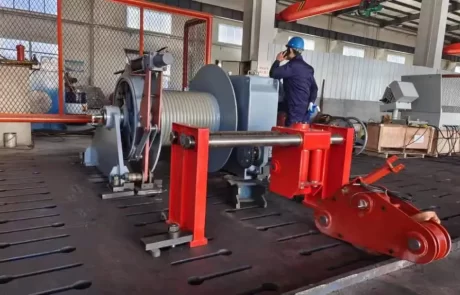
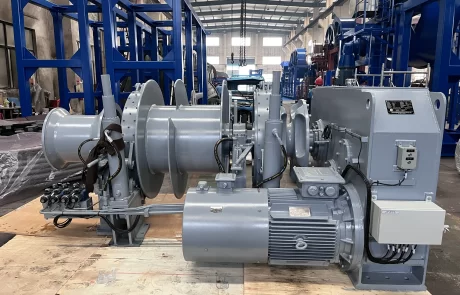
Mooring winches control the movement and tension of mooring lines. They help crews:
- Pay out rope
- Recover rope
- Adjust line tension
- Secure the vessel properly
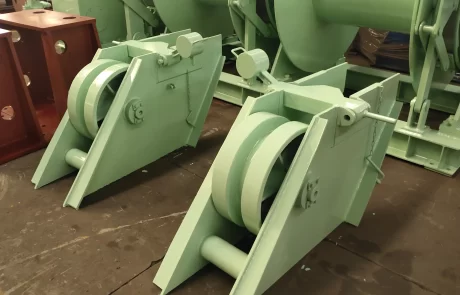
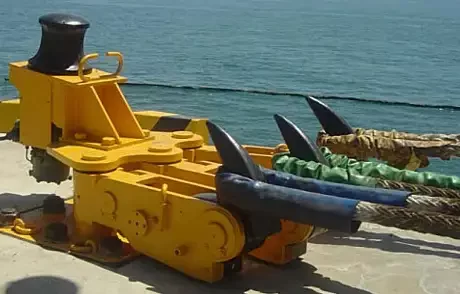
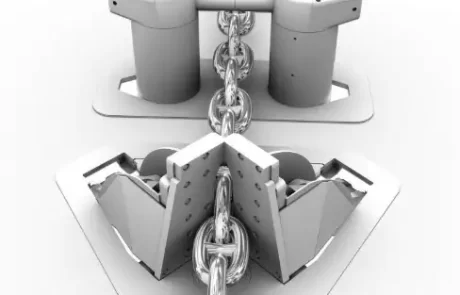
Fairleads guide mooring ropes and help control their direction.
A suitable fairlead arrangement reduces unnecessary rope wear caused by sharp angles or friction.
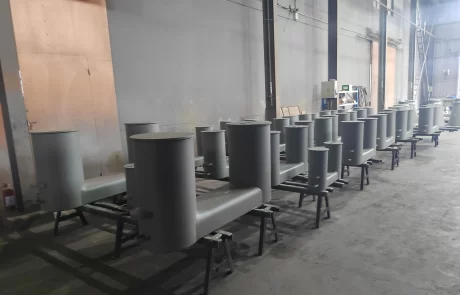
Marine bollards transfer mooring loads from the vessel to the berth structure. They must be designed according to expected vessel loads and operating conditions.
Quick-release hooks allow operators to release mooring lines quickly when necessary. They are especially useful in situations where fast response is required, such as:
- Emergency departure
- Severe weather conditions
- Safety operations
How Quick Release Systems Improve Safety
Traditional mooring arrangements often require workers to manually handle lines during release. Quick release systems provide a safer alternative by allowing controlled release from a safer position.
Benefits include:
- Faster line release
- Reduced personnel exposure
- Better emergency response
- Improved operational efficiency
For busy terminals, these features can make a significant difference.
Factors Affecting Mooring Equipment Selection
Different ports and vessels have different requirements.
Important considerations include:
Vessel Size—Large vessels create higher mooring loads and require stronger equipment.
Berth Conditions—The layout and structure of the berth affect equipment arrangement.
Operating Environment—Wind, waves and tidal conditions influence system requirements.
Safety Requirements—Ports with frequent vessel operations may need more advanced safety solutions.
Maintenance of Mooring Safety Equipment
Even high-quality equipment requires regular inspection. Maintenance should include checking:
- Mechanical components
- Corrosion conditions
- Moving parts
- Connection points
- Rope contact areas
Regular inspection helps identify problems before they affect vessel operations.
Why Ports Need Reliable Mooring Solutions
A safe mooring operation improves more than safety. It also helps ports achieve:
- Faster vessel turnaround
- Fewer operational delays
- Better worker protection
- More reliable daily operations
For modern ports, mooring equipment is an important part of overall terminal efficiency.
Mooring safety equipment plays an important role in modern port operations. From ropes and winches to bollards and quick-release systems, every component contributes to keeping vessels safely secured. By choosing suitable equipment and maintaining it properly, ports and vessel operators can improve safety and reduce operational risks.
FAQ
What equipment is used for ship mooring safety?
Common equipment includes mooring ropes, winches, bollards, fairleads and quick release systems.
Why are quick release hooks used in ports?
They allow mooring lines to be released quickly and safely, especially during emergency situations.
How can mooring accidents be reduced?
Proper equipment selection, regular maintenance and correct operating procedures can reduce mooring risks.
Do all ports use the same mooring equipment?
No. Equipment selection depends on vessel size, berth design, environmental conditions and operational requirements.