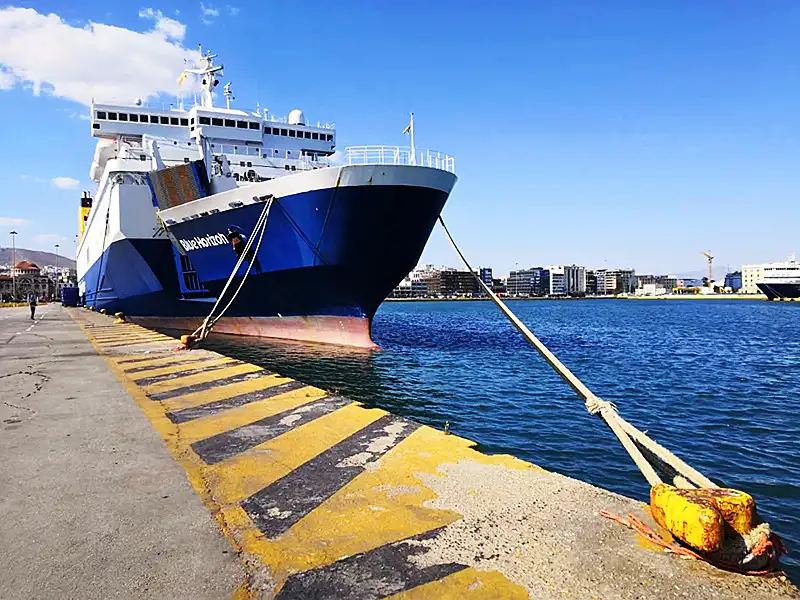
ooring ropes look simple, but they carry extremely high loads during vessel operations.
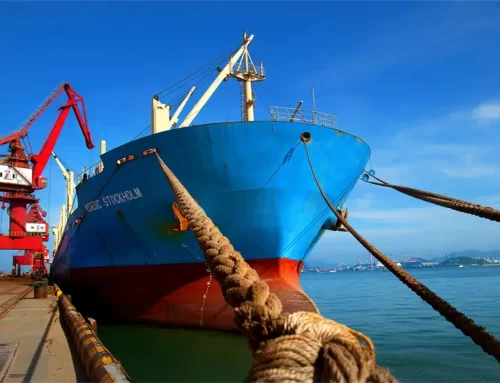
When a large ship is secured at a berth, the mooring lines must handle forces caused by wind, waves, tides and vessel movement. A damaged or failed mooring rope can pose serious safety risks to crew, equipment, and nearby structures. Understanding why mooring ropes fail helps ship operators, ports and shipyards improve daily operations and reduce unexpected accidents.
Why Mooring Ropes Fail
A mooring rope usually does not fail because of a single problem. In many cases, rope damage develops slowly due to repeated loading, poor handling, or unsuitable operating conditions. The most common causes include:
- Excessive loading
- Rope wear
- Incorrect handling
- Environmental damage
- Poor maintenance
Regular inspection and proper operation are important for preventing rope failure.
Excessive Mooring Loads
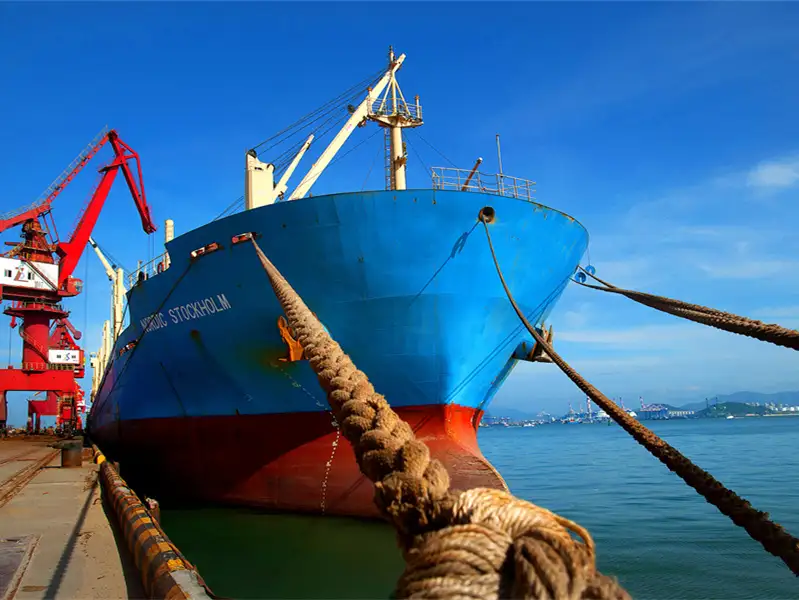
One of the main causes of rope failure is overload.A vessel at berth is constantly affected by external forces:
- Strong wind
- Waves
- Current changes
- Passing vessels
- Sudden vessel movement
When these forces exceed the rope’s safe working capacity, the rope may stretch excessively or break. This is why selecting the correct rope strength and designing a suitable mooring arrangement are both important.
Rope Wear and Physical Damage
Mooring ropes are exposed to harsh working conditions every day. Common damage includes:
Abrasion: Continuous contact with fairleads, bollards, or sharp edges can gradually weaken the rope surface.
Cuts and Broken Fibers: Small damaged areas can reduce the overall strength of the rope.
Kinking: Incorrect handling can create permanent deformation and weaken the rope structure.
Heat Damage: Friction during operation may generate heat that affects certain rope materials.
Early detection of these problems can prevent unexpected failures.
Incorrect Mooring Operations
Even a high-quality rope can fail if it is not used correctly. Common operational problems include:
- Sudden loading of the rope
- Incorrect line arrangement
- Uneven tension between mooring lines
- Poor communication during mooring operations
- Improper storage after use
Experienced crews usually follow clear procedures to control line tension and reduce unnecessary stress.
Weather and Environmental Effects
Marine environments are challenging for all equipment. Mooring ropes may be affected by:
- Saltwater exposure
- UV radiation
- Temperature changes
- Chemical contamination
- Long periods under tension
For vessels operating in harsh environments, rope selection should consider the actual working conditions rather than only the rated strength.
Synthetic Rope vs Wire Rope
Different applications may require different rope solutions.
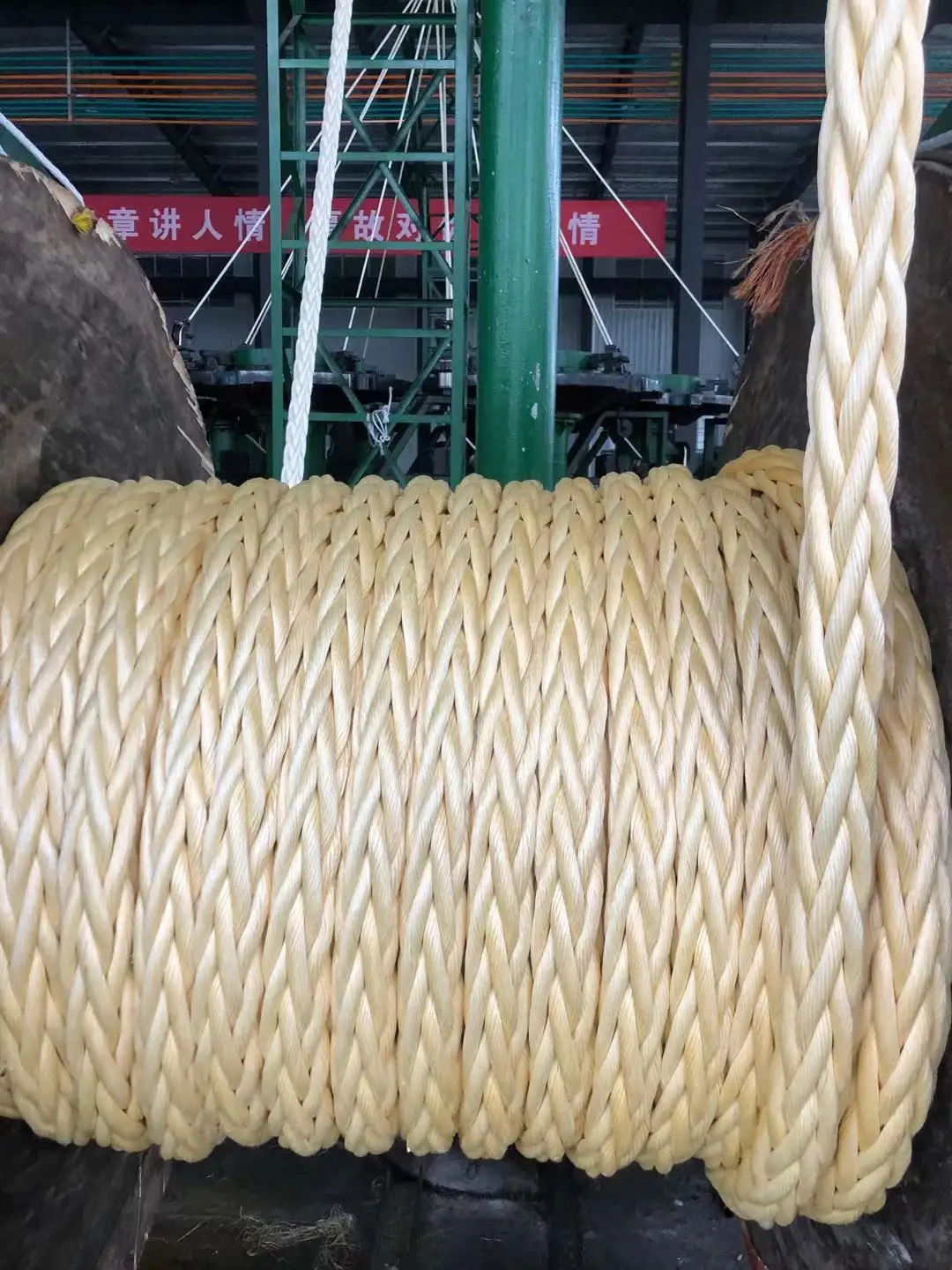
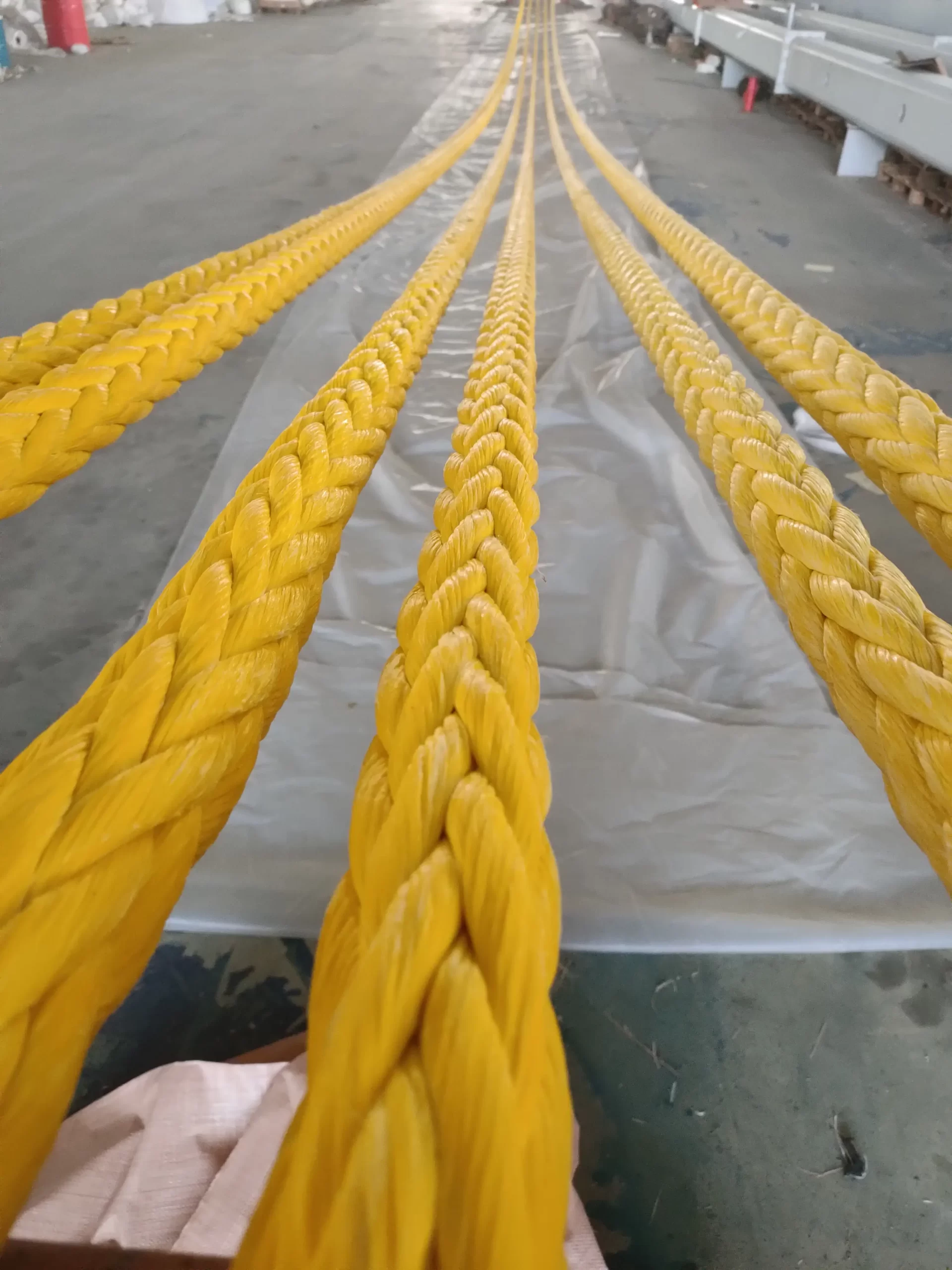
Synthetic Fiber Rope
Advantages:
- Lightweight
- Easier handling
- Good shock absorption
- Reduced manual workload
Commonly used for:
- Modern commercial vessels
- Offshore operations
- Applications requiring easier handling
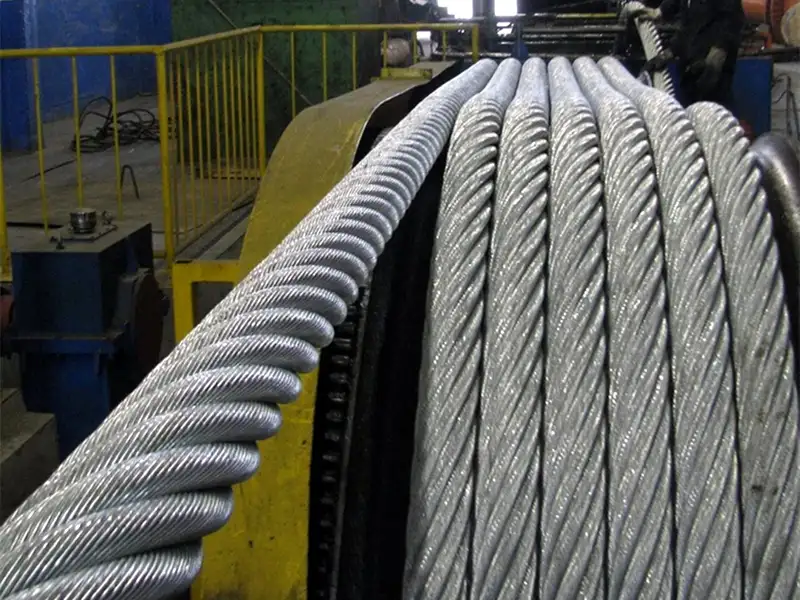
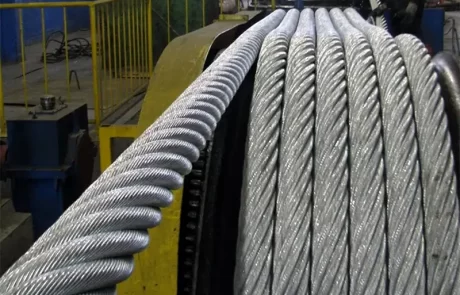
Wire Rope
Advantages:
- High strength & Good resistance to abrasion
- Suitable for heavy-duty applications
Commonly used for:
- Industrial operations & Heavy marine equipment
- Applications with high mechanical loads
The right choice depends on vessel requirements, operating environment, and maintenance conditions.
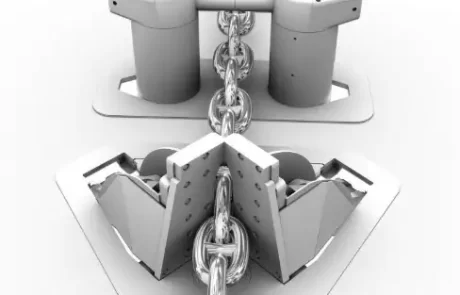
How to Extend Mooring Rope Service Life
Regular Inspection
Check for:
- Broken fibers
- Surface wear
- Deformation
- Chemical damage
Correct Storage
When not in use, ropes should be stored away from:
- Direct sunlight
- Chemicals
- Excessive moisture
- Sharp objects
Proper Equipment Matching
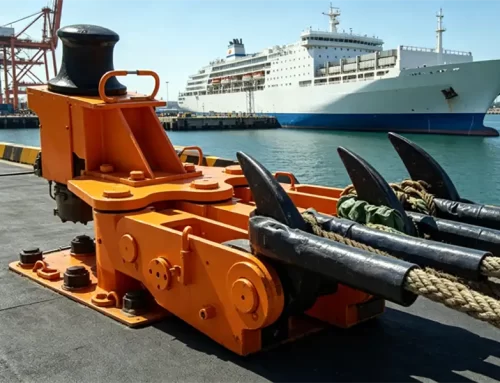
Ropes should work together with suitable:
- Fairleads
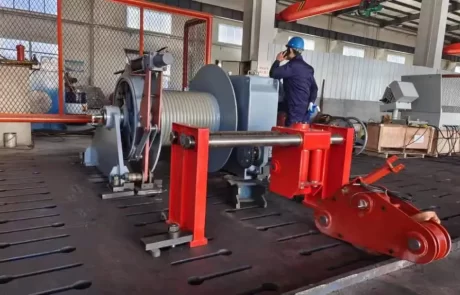
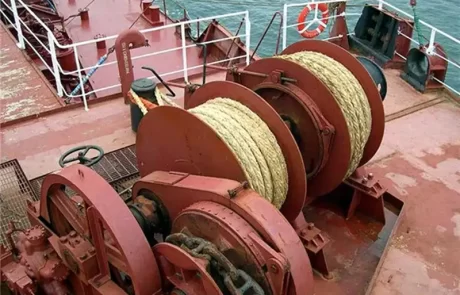
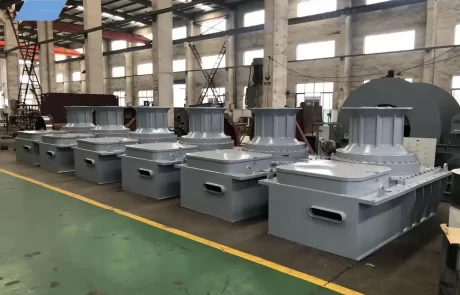
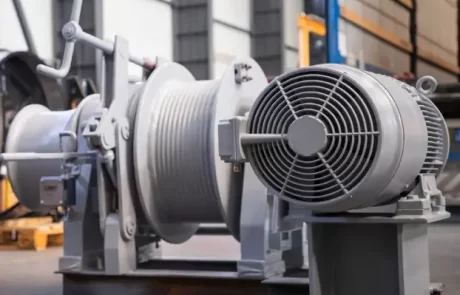
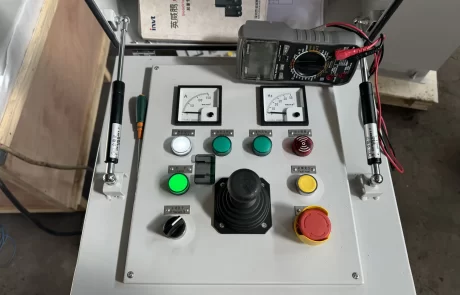
- Mooring winches
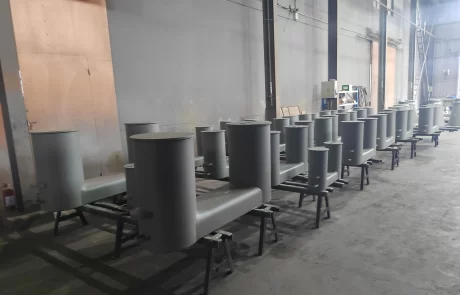
- Bollards
- Hooks
Why Mooring Equipment Should Be Considered Together
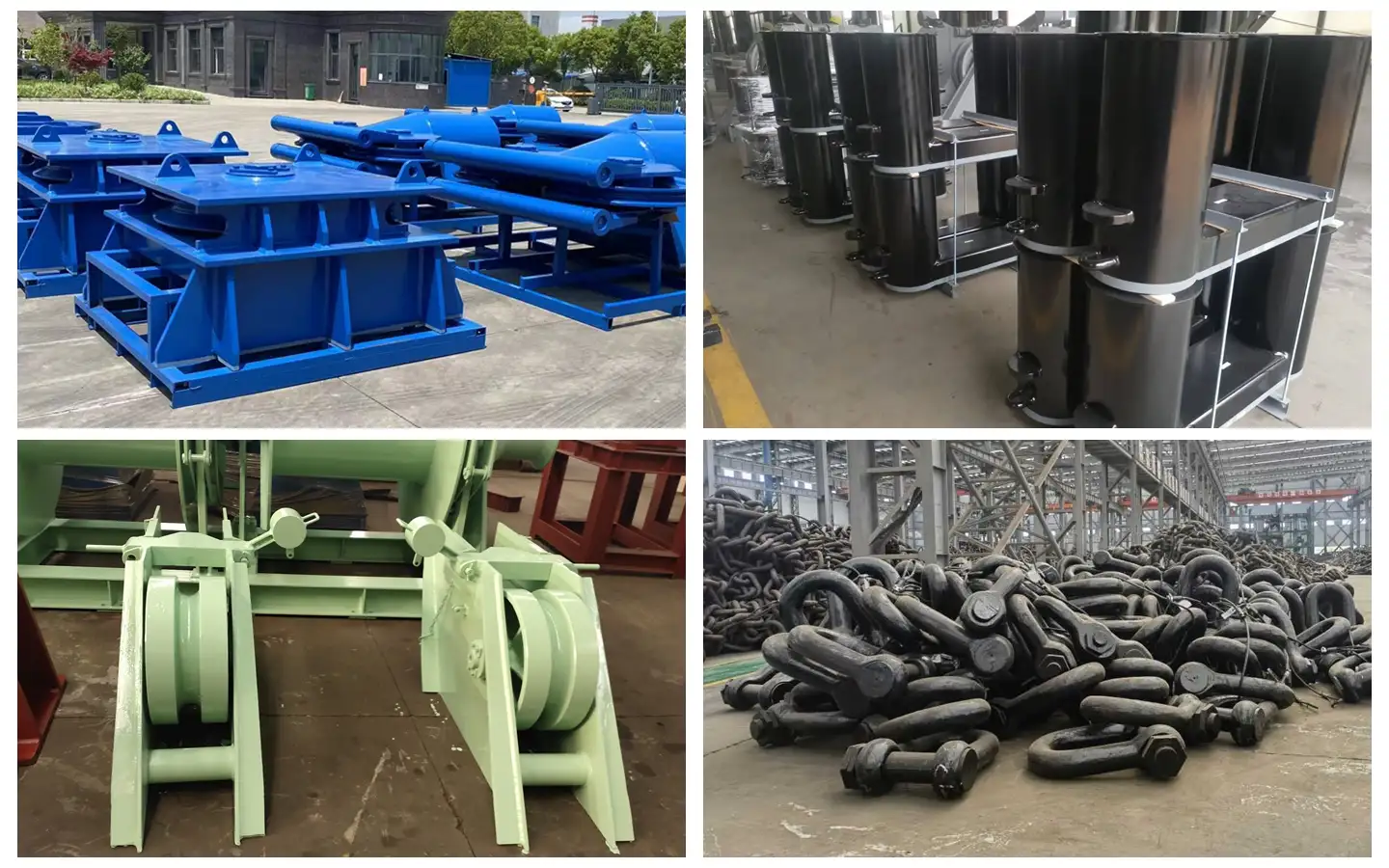
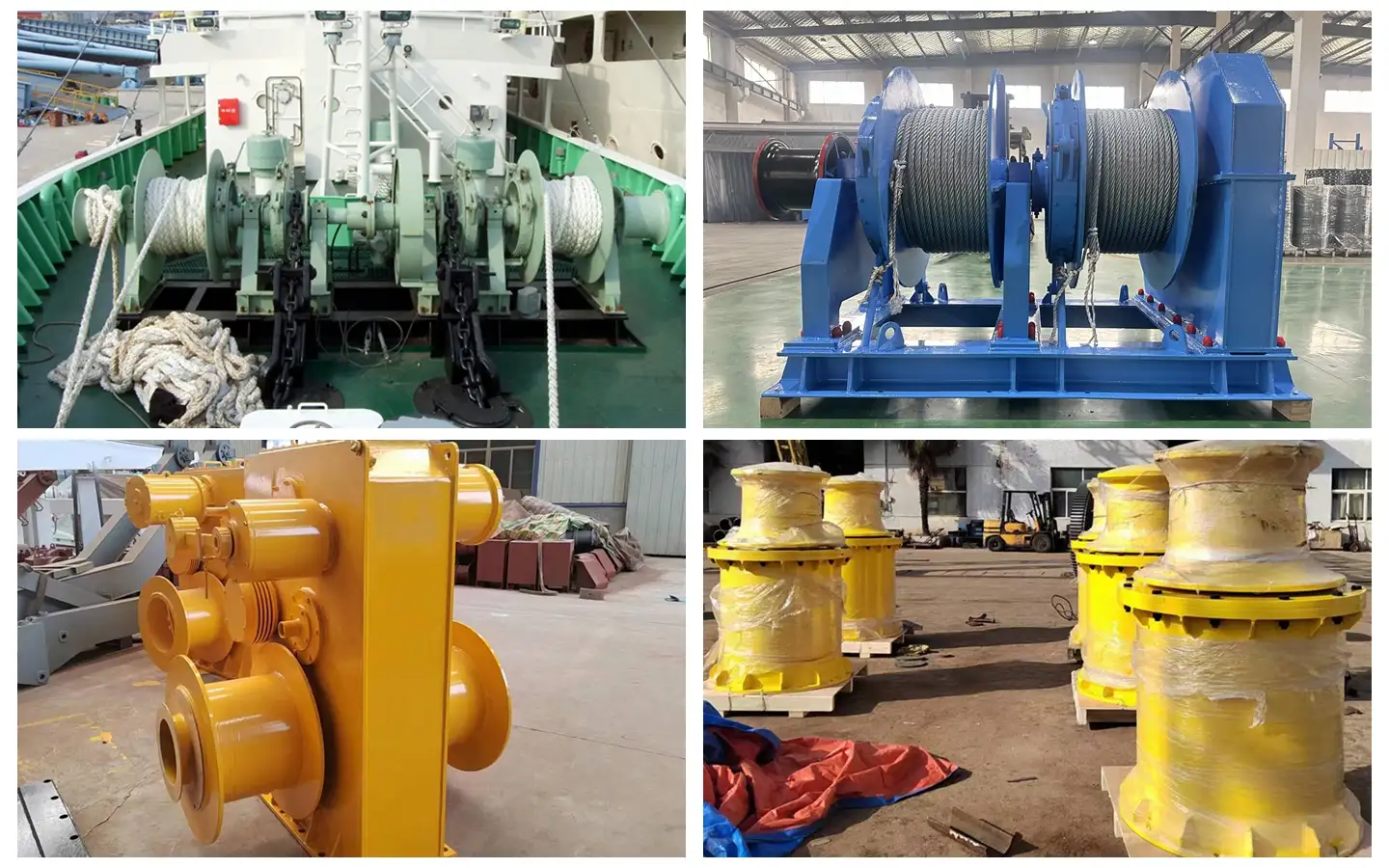
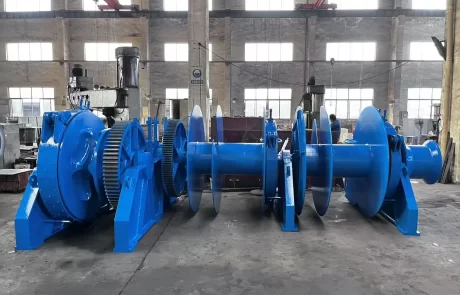
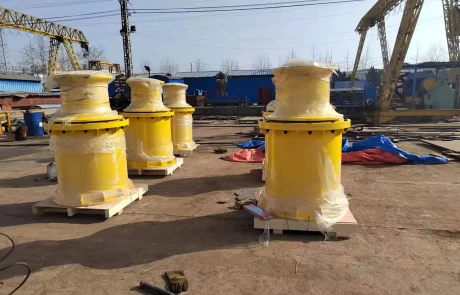
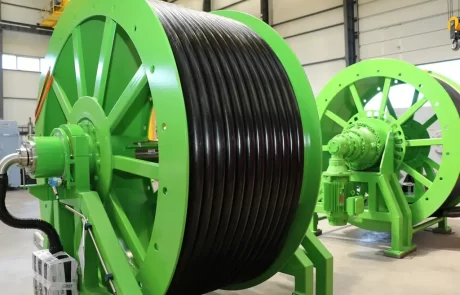
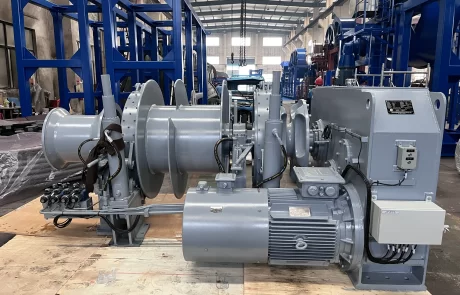
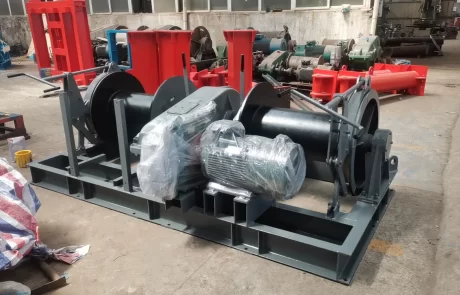
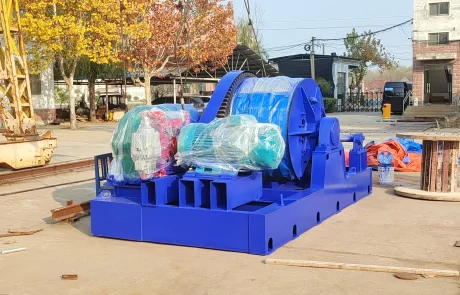
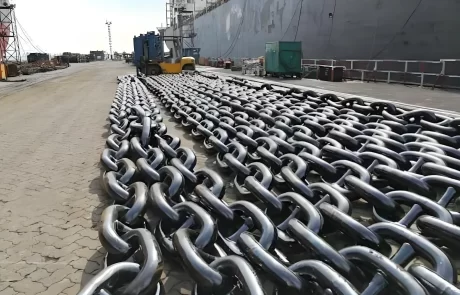
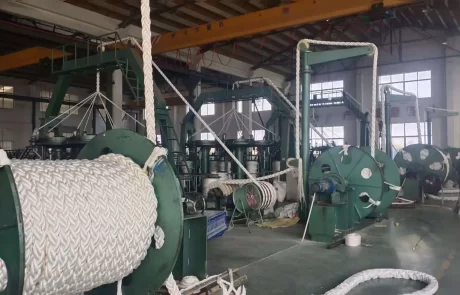
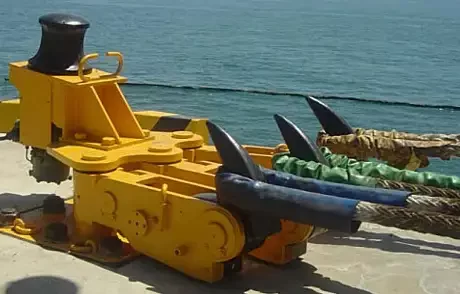
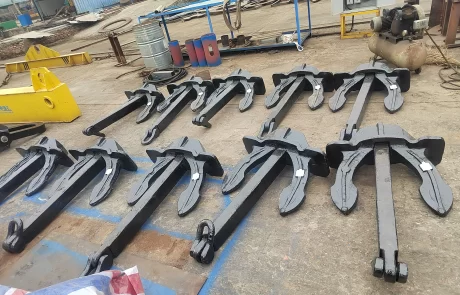
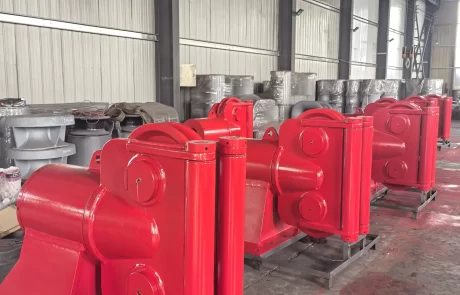
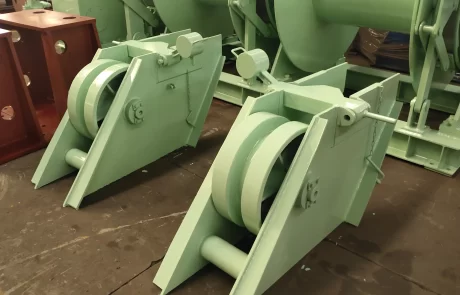
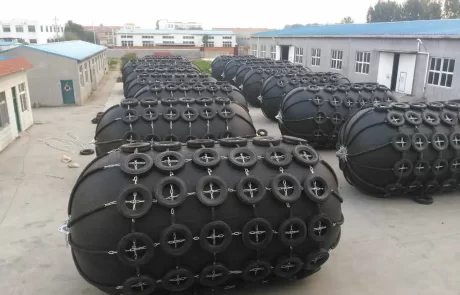
A mooring rope is only one part of the complete system. During vessel operations, the rope works together with:
If one component is incorrectly selected or poorly maintained, it can affect the performance of the entire mooring arrangement.
Mooring rope failure is usually the result of multiple factors, including overload, wear, poor handling, and environmental exposure. By selecting suitable rope materials, maintaining related equipment, and following proper operating procedures, vessel operators can greatly reduce the risk of rope damage.
A reliable mooring system is not only about strong equipment — it is about how every component works together.
FAQ
What is the most common reason for mooring rope failure?
Overloading, abrasion, and long-term wear are among the most common causes of mooring rope failure.
How often should mooring ropes be inspected?
Inspection frequency depends on vessel operation, working environment and rope condition, but regular checks should be part of normal maintenance routines.
Are synthetic ropes safer than wire ropes?
Neither is always better. The correct choice depends on the application, load requirements and operating environment.
Can damaged mooring ropes be repaired?
Minor issues may sometimes be managed depending on rope type and damage level, but seriously damaged ropes should usually be replaced.