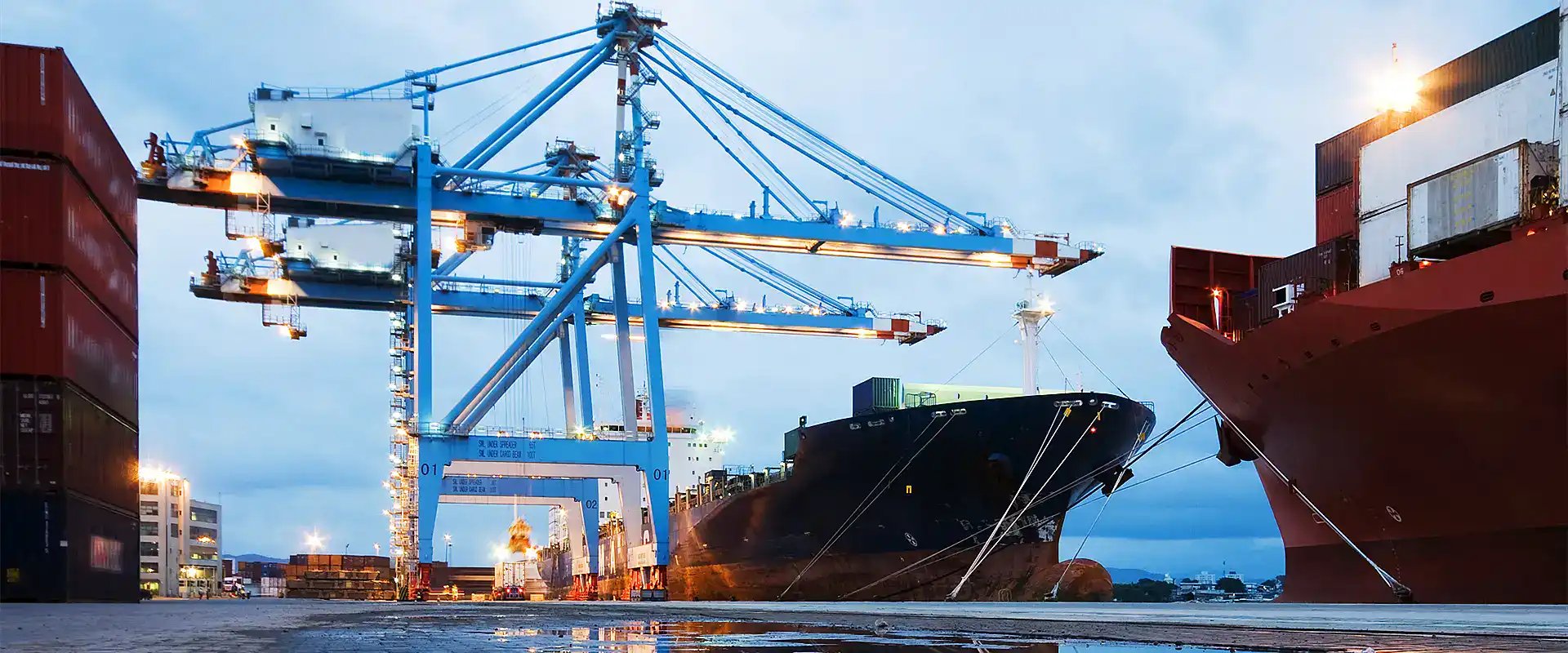
When a large vessel arrives at a port, bringing it alongside the berth safely requires careful coordination between the ship crew and terminal operators.
A vessel may weigh thousands of tons, but during berthing it needs to be controlled within a limited space. Wind, current and vessel movement can all affect the operation.A successful berthing process depends on good planning, experienced operators and reliable mooring equipment.
What Happens During Ship Berthing?
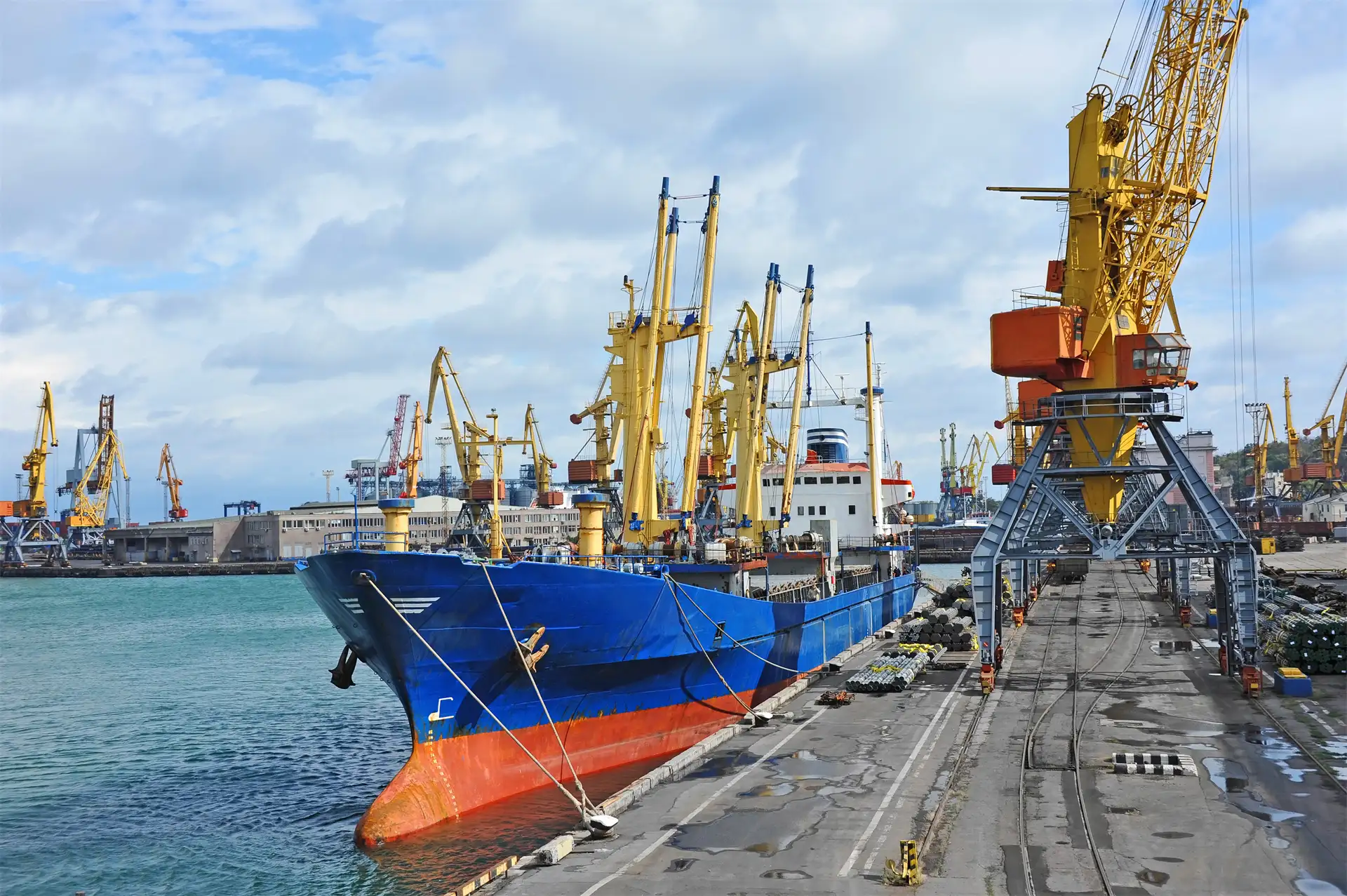
Ship berthing is the process of bringing a vessel alongside a dock or terminal and securing it for loading, unloading, or other operations.
A typical berthing operation includes:
- Vessel approach
- Speed control
- Position adjustment
- Mooring line connection
- Final securing
Each step requires communication between the bridge team, port personnel and mooring crew.
Why Large Vessels Need Careful Control
Large ships have significant momentum. Even at low speed, a vessel can generate large forces when approaching a berth. Operators must consider:
- Vessel size
- Wind direction
- Current speed
- Available maneuvering space
- Terminal layout
Small errors during berthing can lead to damage to the vessel, berth structure, or nearby equipment.
The Role of Mooring Equipment During Berthing
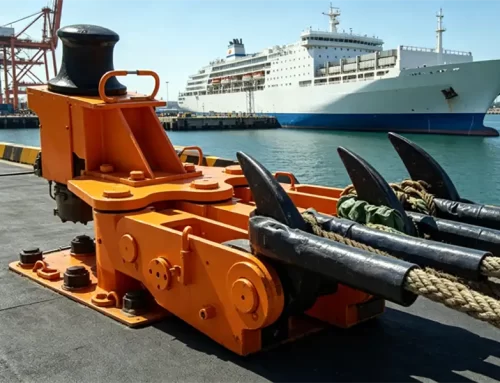
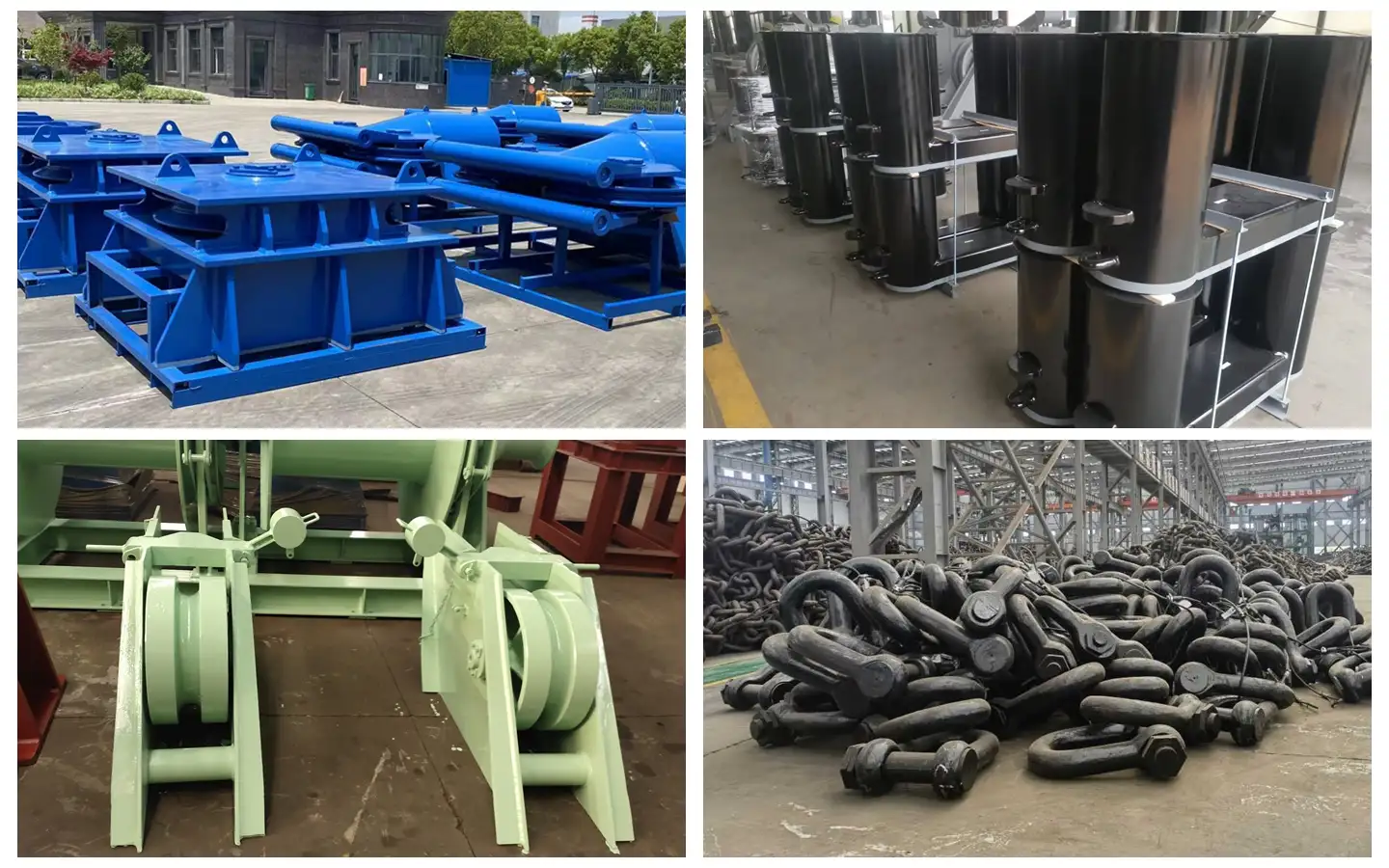
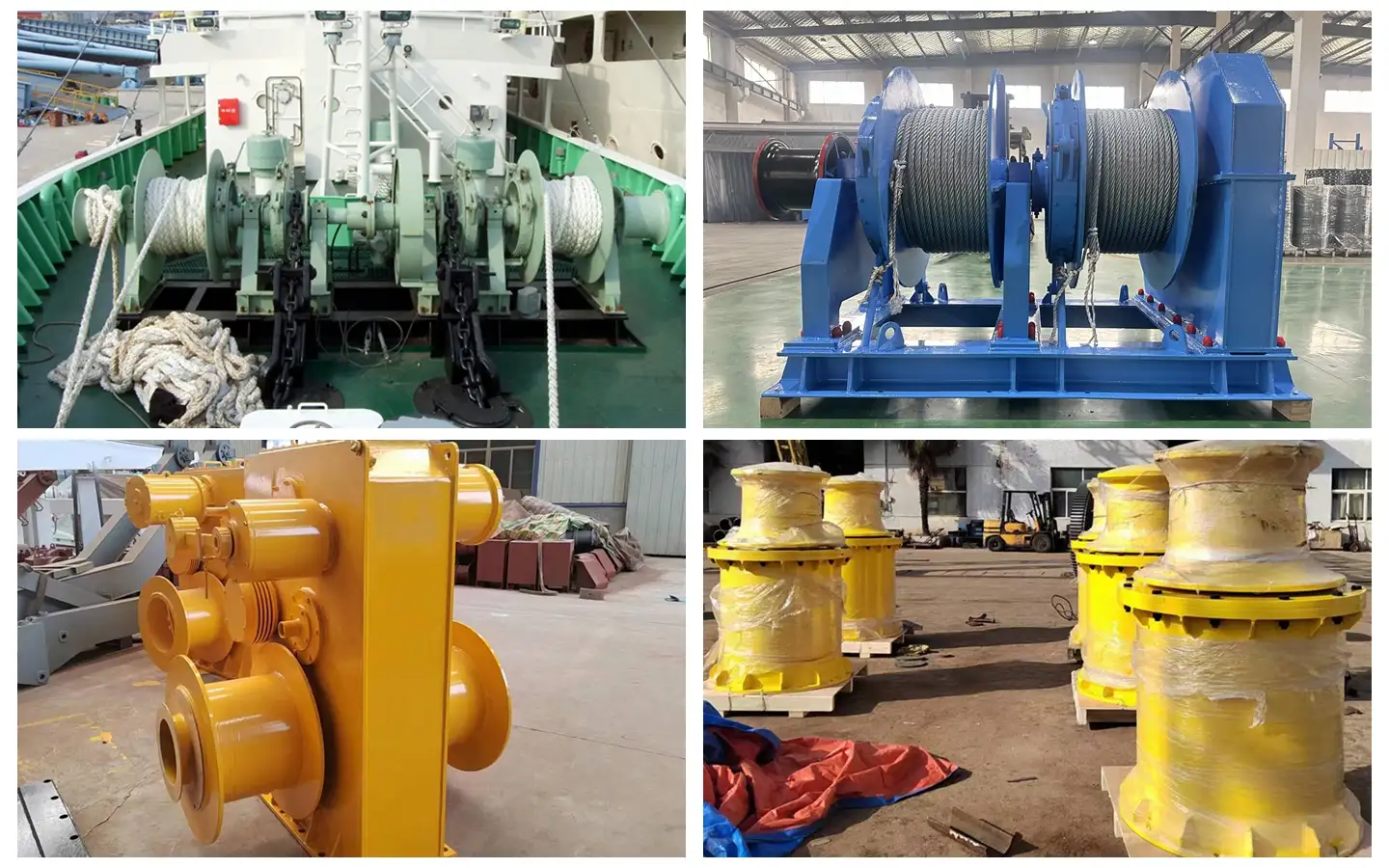
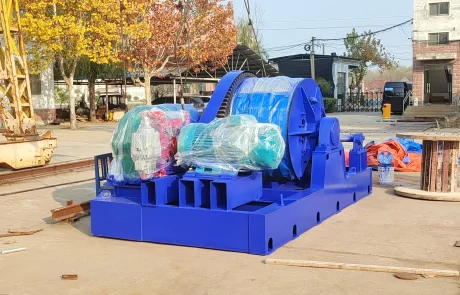
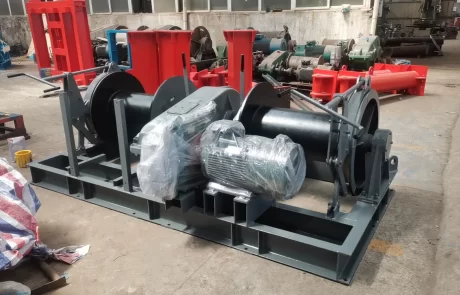
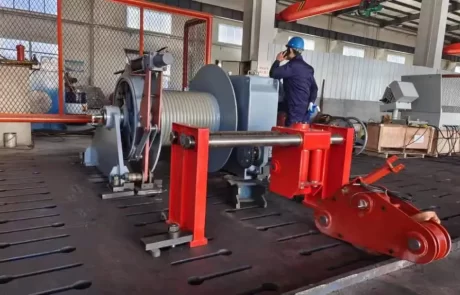
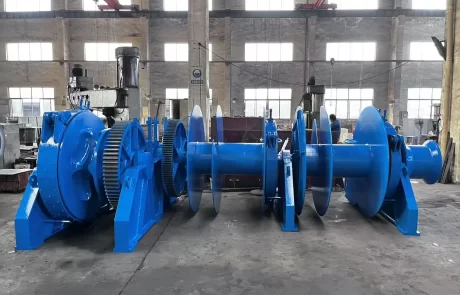
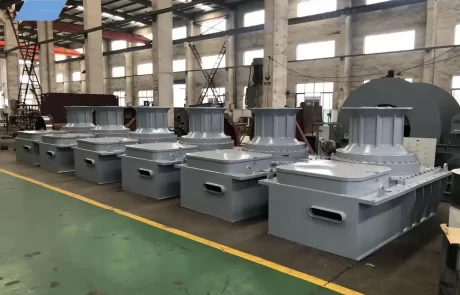
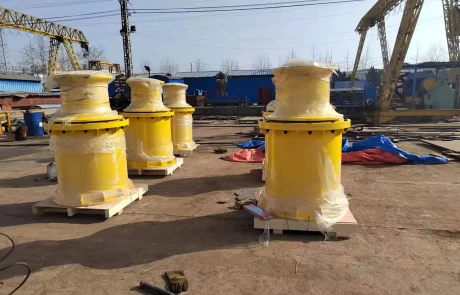
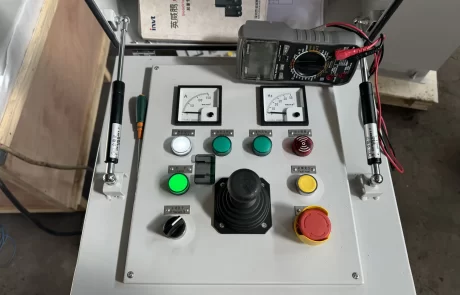
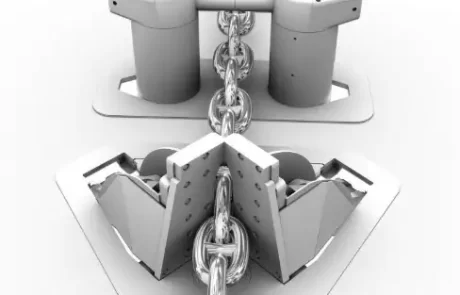
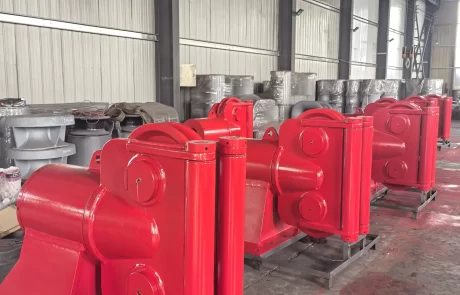
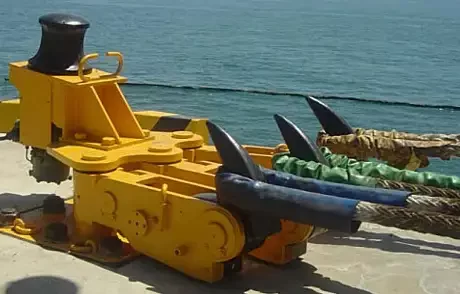
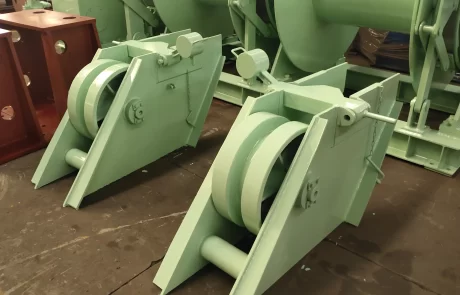
Once the vessel reaches the correct position, the mooring system becomes responsible for keeping it secure. Important equipment includes:
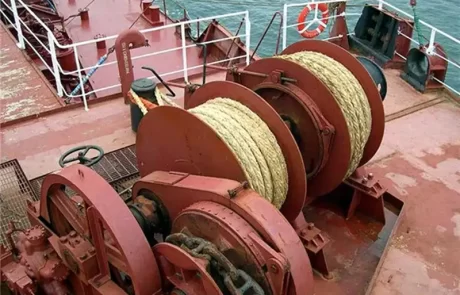
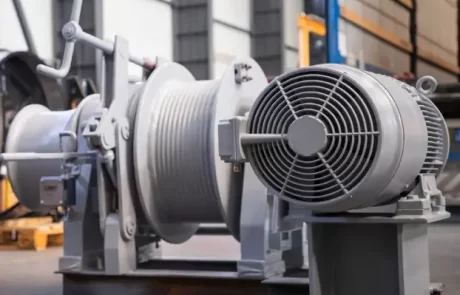
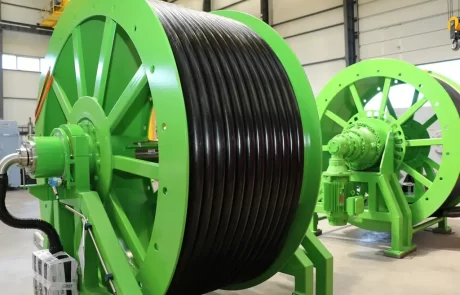
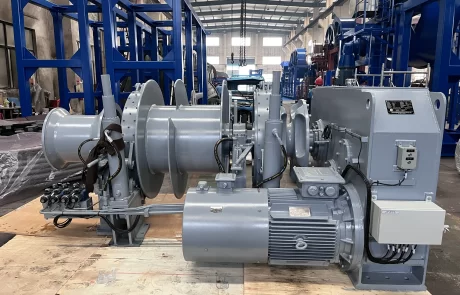
Mooring winches help control rope movement and maintain suitable tension during the entire port stay. They allow operators to:
- Release lines
- Pull lines in
- Adjust tension
- Compensate for vessel movement
Mooring Lines
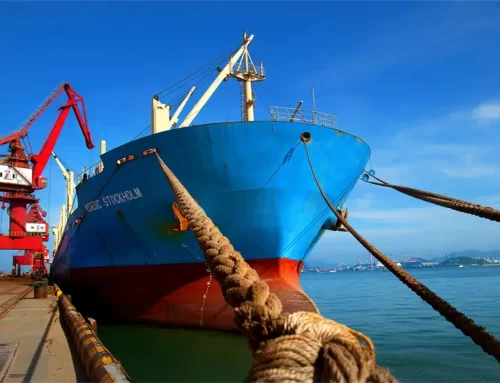
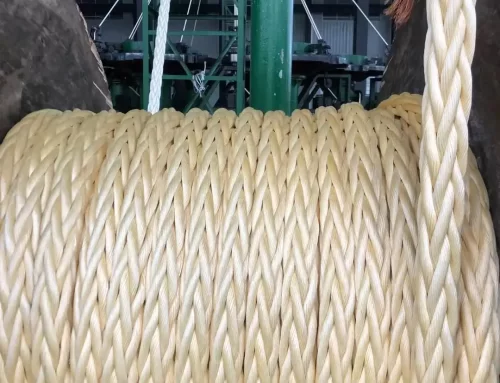
Mooring ropes provide the connection between the vessel and the berth.
They must handle changing loads caused by:
- Wind
- Tide
- Vessel movement
Weather Conditions Affect Berthing Operations
Weather is one of the biggest factors affecting vessel arrival. Strong wind or changing currents can make berthing more difficult. Before operation, crews usually consider:
- Wind forecast
- Tide information
- Wave conditions
- Visibility
In some ports, operations may be delayed when conditions become unsafe.
Communication Is Critical During Berthing
A safe berthing operation requires cooperation between multiple teams. Communication usually involves:
- Ship bridge team
- Pilot
- Tugboat operators
- Mooring crew
- Terminal staff
Clear instructions help prevent mistakes when handling large vessels in limited areas.
Common Problems During Ship Berthing
Although every port has different conditions, several problems occur frequently.
Excessive Vessel Movement — Strong environmental forces may make it difficult to maintain vessel stability.
Incorrect Mooring Arrangement—Poor line positioning can create uneven loads.
Equipment Problems — Damaged ropes or poorly maintained equipment may compromise operational safety.
Poor Coordination—Communication problems can slow down or interrupt the process.
How Modern Ports Improve Berthing Safety
Many ports improve safety through:
- Better vessel monitoring systems
- Improved mooring equipment
- Regular equipment inspection
- Standard operating procedures
- Crew training
Reliable equipment combined with proper operation helps reduce risks during daily port activities.
Why Efficient Berthing Matters
Safe berthing is not only about preventing accidents. Efficient operations also help ports:
- Reduce vessel waiting time
- Improve terminal productivity
- Increase operational reliability
- Support more vessel movements
For busy terminals, every improvement in efficiency has a direct commercial impact.
Ship berthing operations require careful planning, good communication, and reliable equipment. From the moment a vessel approaches the terminal to the final mooring process, every step affects safety and efficiency. A well-designed mooring arrangement helps ports handle large vessels with greater confidence and reliability.
FAQ
What is ship berthing?
Ship berthing is the process of bringing a vessel alongside a dock and securing it for port operations.
What equipment is used during ship berthing?
Common equipment includes mooring winches, ropes, bollards, fairleads and quick-release systems.
Why is weather important during berthing?
Wind, waves and current can affect vessel movement and increase the difficulty of safely positioning a ship.
Who controls ship berthing operations?
Berthing usually involves cooperation between the ship crew, marine pilots, tug operators and terminal personnel.