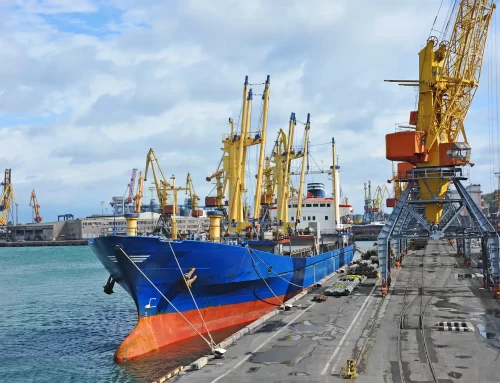
When a vessel arrives at a port, keeping it safely secured is one of the most important operations.
A ship may stay alongside a berth for hours or even days, but during this time it is constantly affected by wind, waves, current and vessel movement.A reliable mooring arrangement helps keep the vessel in the correct position and protects both the ship and port facilities.
However, many mooring problems can occur if equipment selection, operation or maintenance is not handled properly.
Why Ship Mooring Requires Careful Management
Mooring looks simple from the outside, but the forces involved are very large. A vessel at berth is affected by:
- Wind pressure
- Water current
- Tide changes
- Passing vessels
- Loading and unloading operations
These forces are transferred through mooring lines and deck equipment. If the system cannot handle these loads properly, safety risks may appear.
Common Ship Mooring Problems
Different ports and vessels may experience different challenges, but several problems appear frequently.
Excessive Line Tension
One common issue is uneven or excessive tension on mooring lines.
This may happen because of:
- Sudden weather changes
- Incorrect line arrangement
- Vessel movement
- Poor tension control
Too much tension can accelerate rope wear and increase the risk of line failure.
Mooring Line Damage
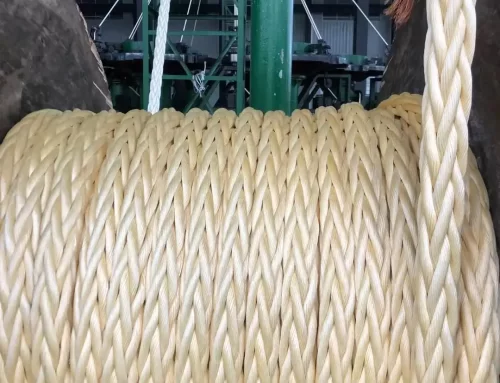
Mooring ropes are exposed to continuous working conditions.
Common causes of damage include:
- Abrasion against fairleads
- Sharp contact points
- UV exposure
- Saltwater corrosion
- Improper storage
Regular inspection helps identify problems before they become dangerous.
Poor Equipment Matching
A mooring system includes many components working together.
These include:
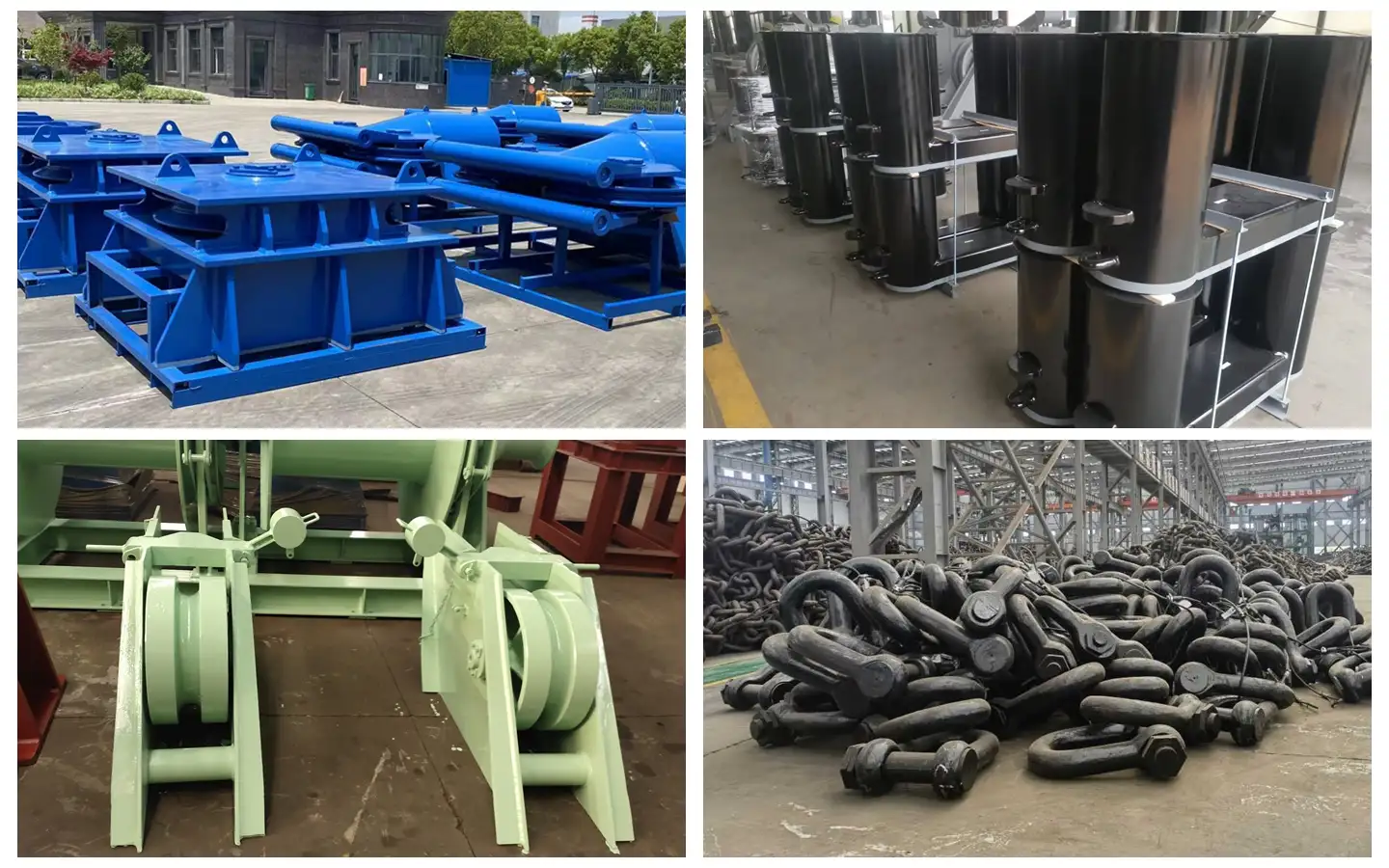
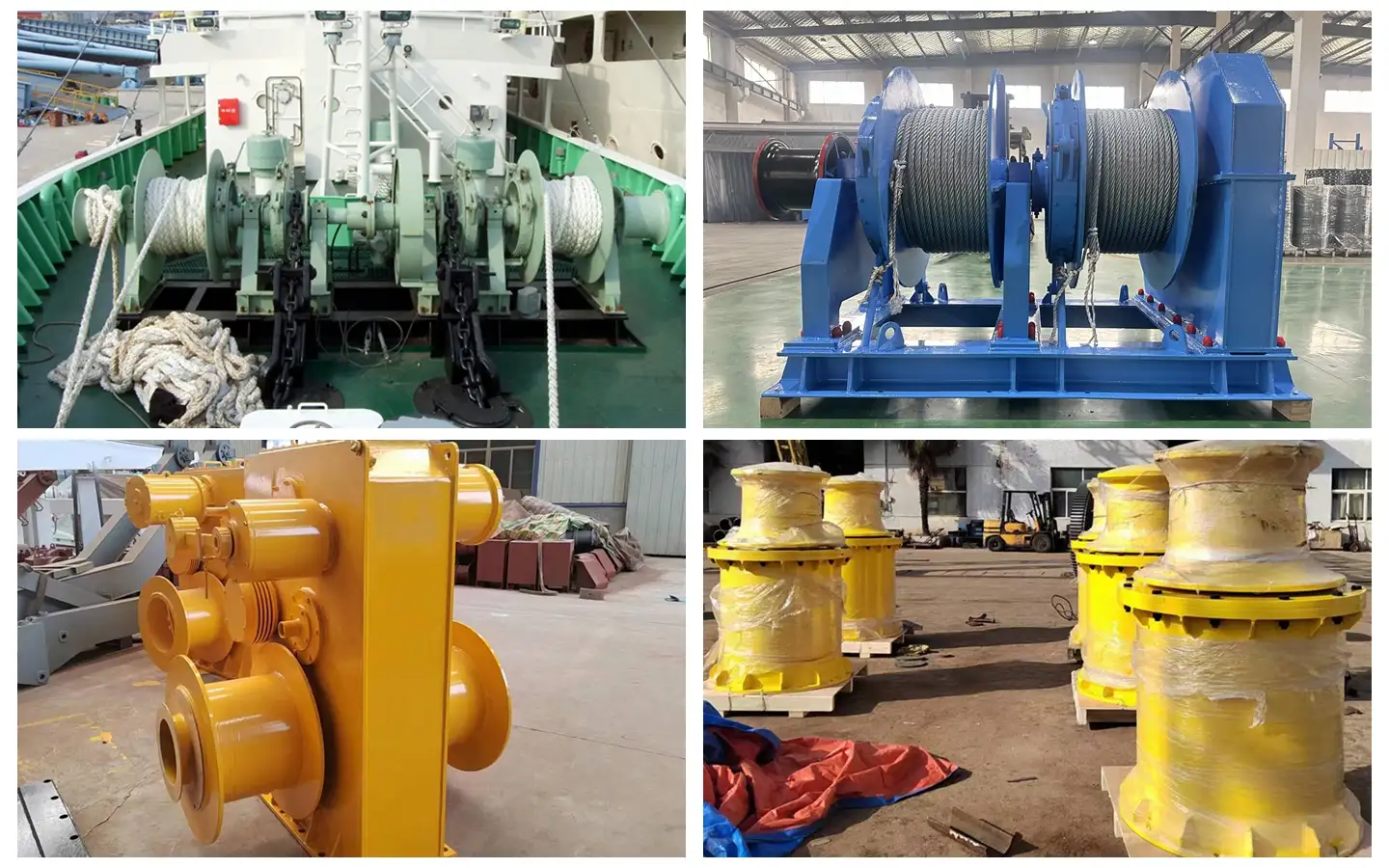
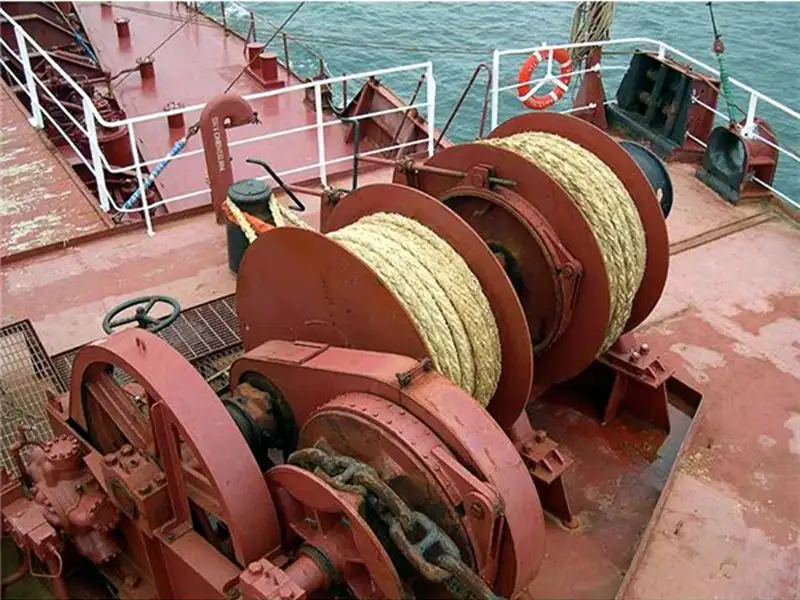
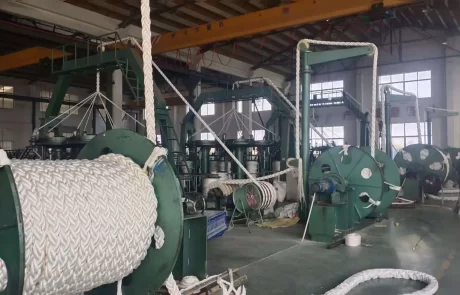
- Mooring winches
- Bollards
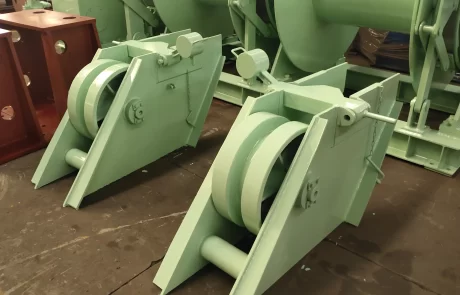
- Fairleads
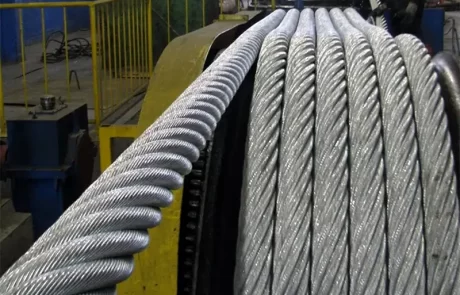
- Ropes
- Quick-release hooks
If one component does not match the vessel requirements, the overall performance may be affected.
Incorrect Mooring Arrangement
The position and direction of mooring lines are important.
A poor arrangement can lead to:
- Uneven loading
- Excessive movement
- Increased stress on equipment
Professional mooring plans help ensure forces are distributed properly.
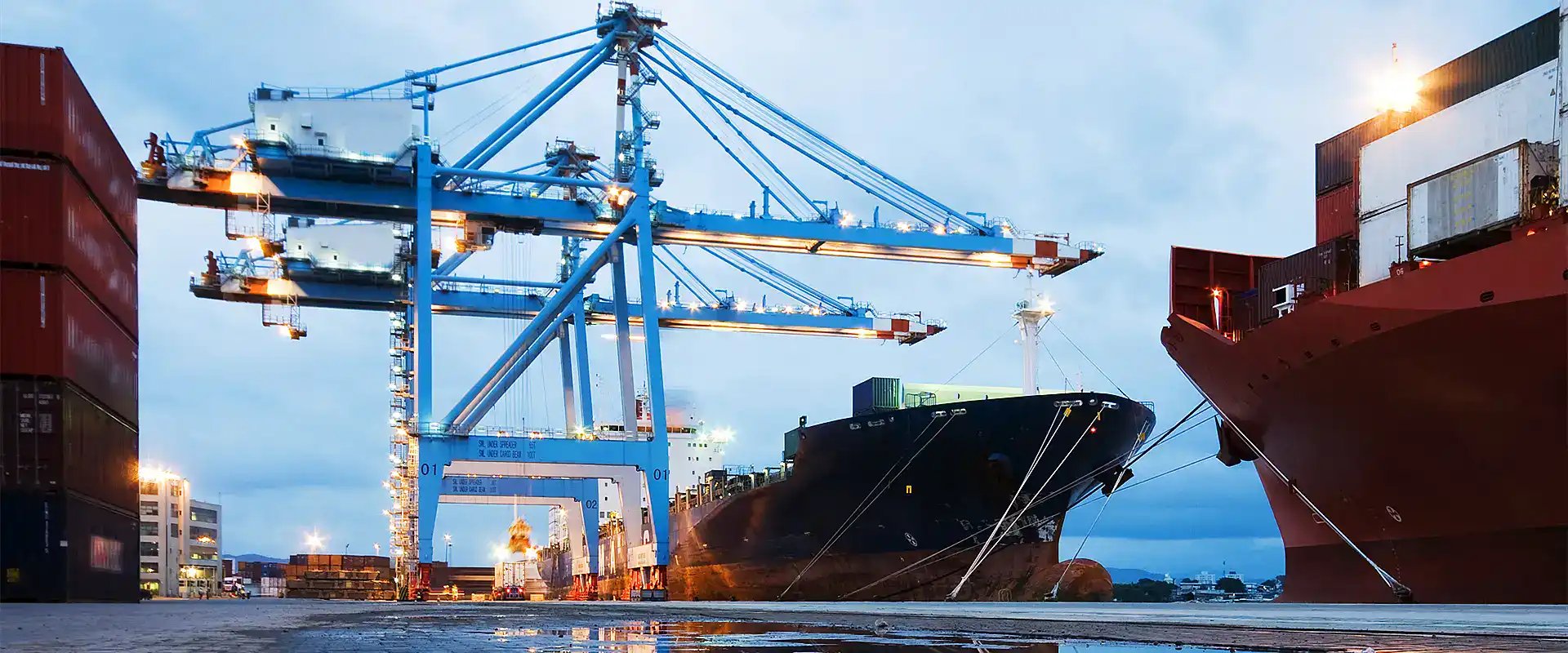
Weather Conditions Can Change Mooring Loads
Many mooring problems happen when conditions change. For example:
A vessel may remain stable during normal weather, but strong wind or storms can significantly increase loads. Port operators usually monitor:
- Weather forecasts
- Tide conditions
- Vessel movement
- Line tension
Early action can prevent larger problems.
How Ports Improve Mooring Safety
Modern ports focus on several areas to improve reliability.
Proper Equipment Selection—Equipment should match:
- Vessel size
- Berth design
- Expected loads
- Operating environment
Regular Inspection—Checking ropes and equipment helps identify:
- Wear
- Damage
- Corrosion
- Mechanical problems
Better Operating Procedures—Clear communication between:
- Ship crew
- Terminal operators
- Port workers
helps reduce mistakes during mooring operations.
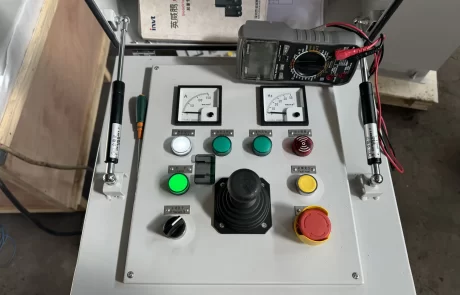
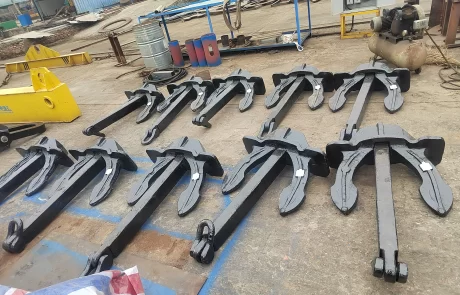
The Role of Mooring Equipment
A safe mooring operation depends on the complete system. For example:
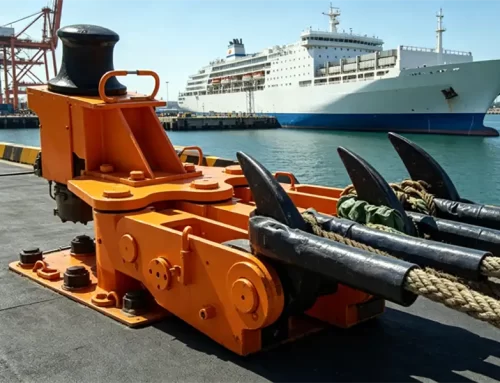
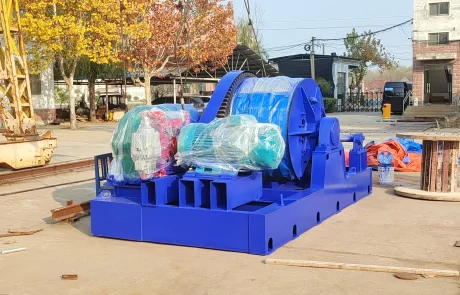
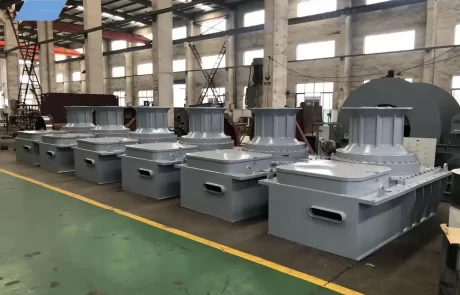
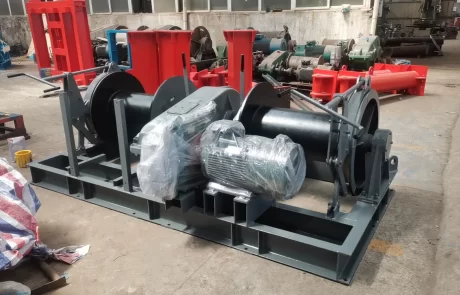
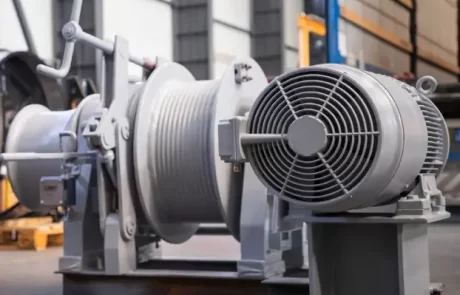
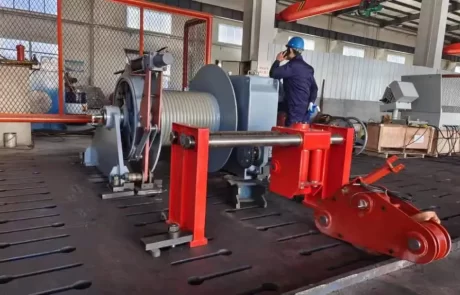
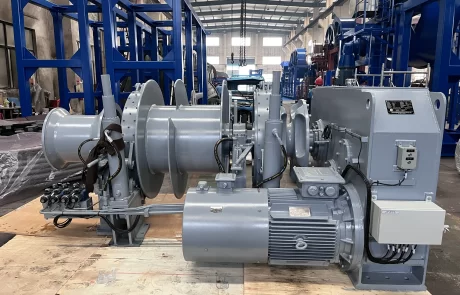
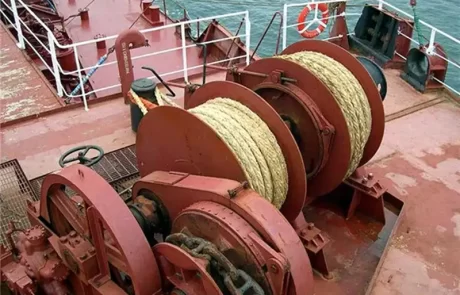
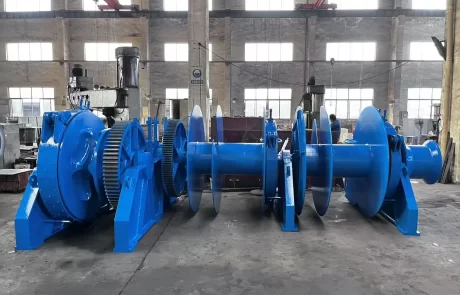
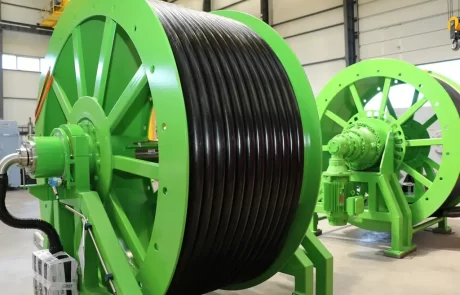
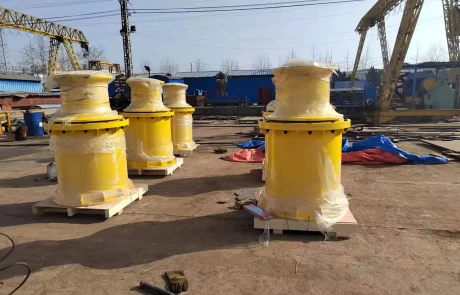
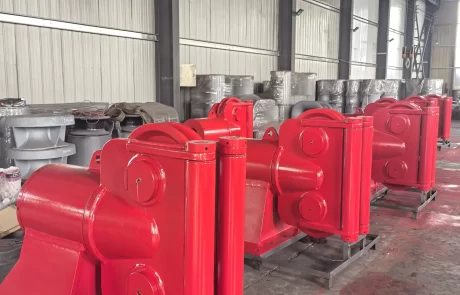
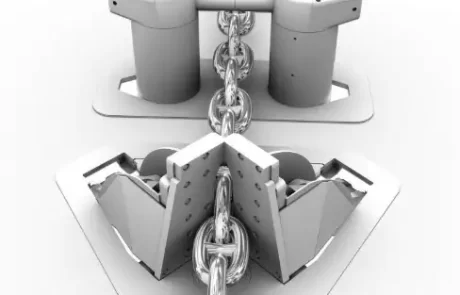
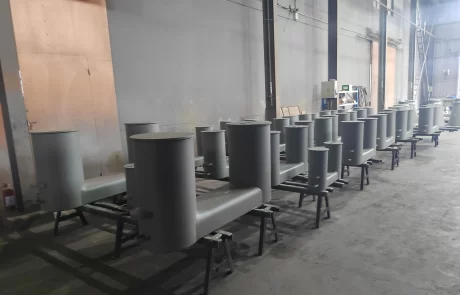
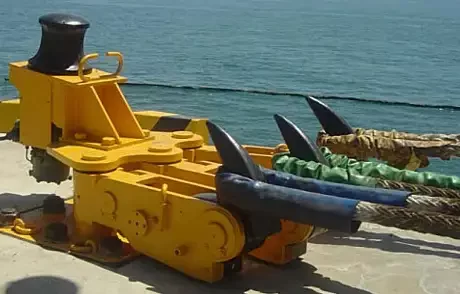
A mooring winch controls line movement. A fairlead guides the rope direction. A bollard transfers the load to the berth structure. A rope provides the connection between the vessel and shore.
Each part has a specific function, and all components must work together.
Why Reliable Mooring Systems Matter for Ports
A vessel that cannot remain safely positioned may cause:
- Operation delays
- Equipment damage
- Safety risks
- Additional costs
For busy terminals, reliable mooring performance directly affects efficiency.
Ship mooring problems usually come from a combination of environmental conditions, equipment issues, and operational factors. By selecting suitable equipment, maintaining components properly, and following correct procedures, ports and vessel operators can greatly improve safety. A reliable mooring operation is not only about strong equipment — it is about making the entire system work together.
FAQ
What are the most common ship mooring problems?
Common problems include excessive line tension, rope damage, poor equipment selection, and incorrect line arrangement.
Why do mooring lines break?
Mooring lines may fail because of overload, wear, abrasion, poor maintenance or unsuitable operating conditions.
How can ports improve mooring safety?
Ports can improve safety through proper equipment selection, regular inspections and effective operating procedures.
What equipment is used for ship mooring?
Common equipment includes mooring winches, ropes, bollards, fairleads and quick-release hooks.