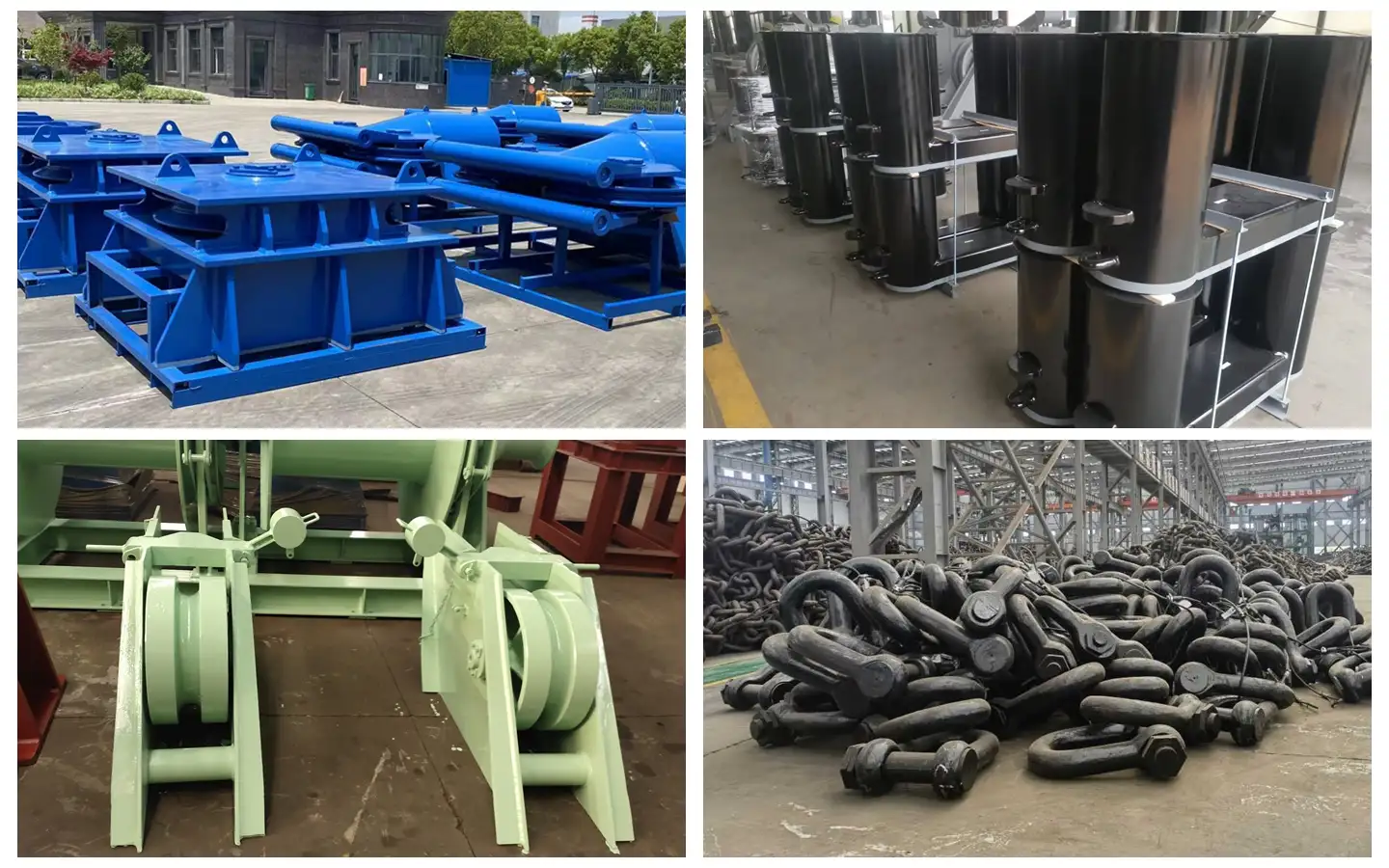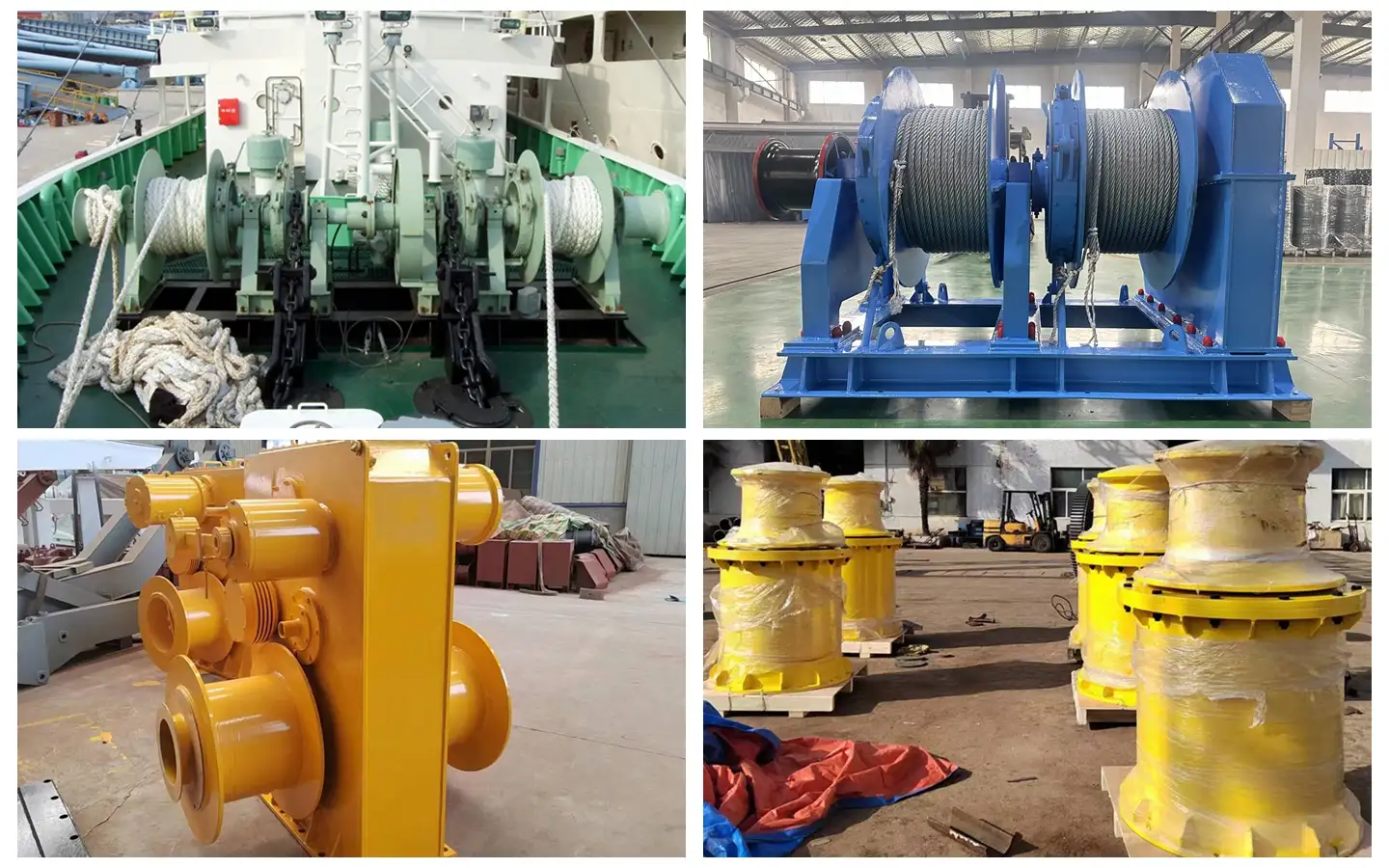
When people first learn about marine deck equipment, one of the most common questions is whether an anchor winch and a mooring winch are the same machine.
Although they may look similar, they are designed for different jobs. Understanding the difference helps ship owners, shipyards and project engineers choose equipment that matches their vessel and operating conditions.
In this guide, we’ll explain how each system works, where it is used and what to consider when selecting the right solution.
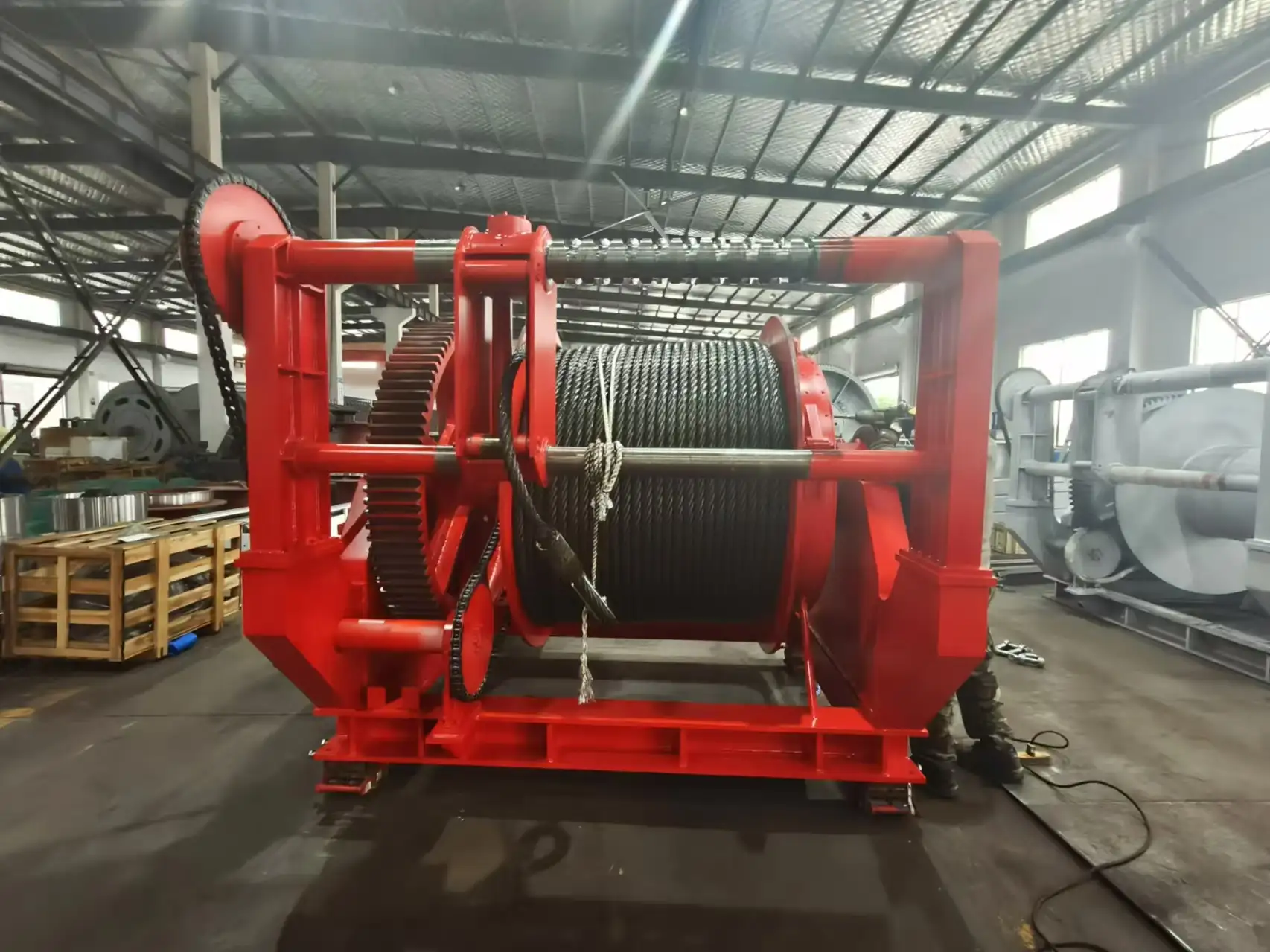
What Is an Anchor Winch?
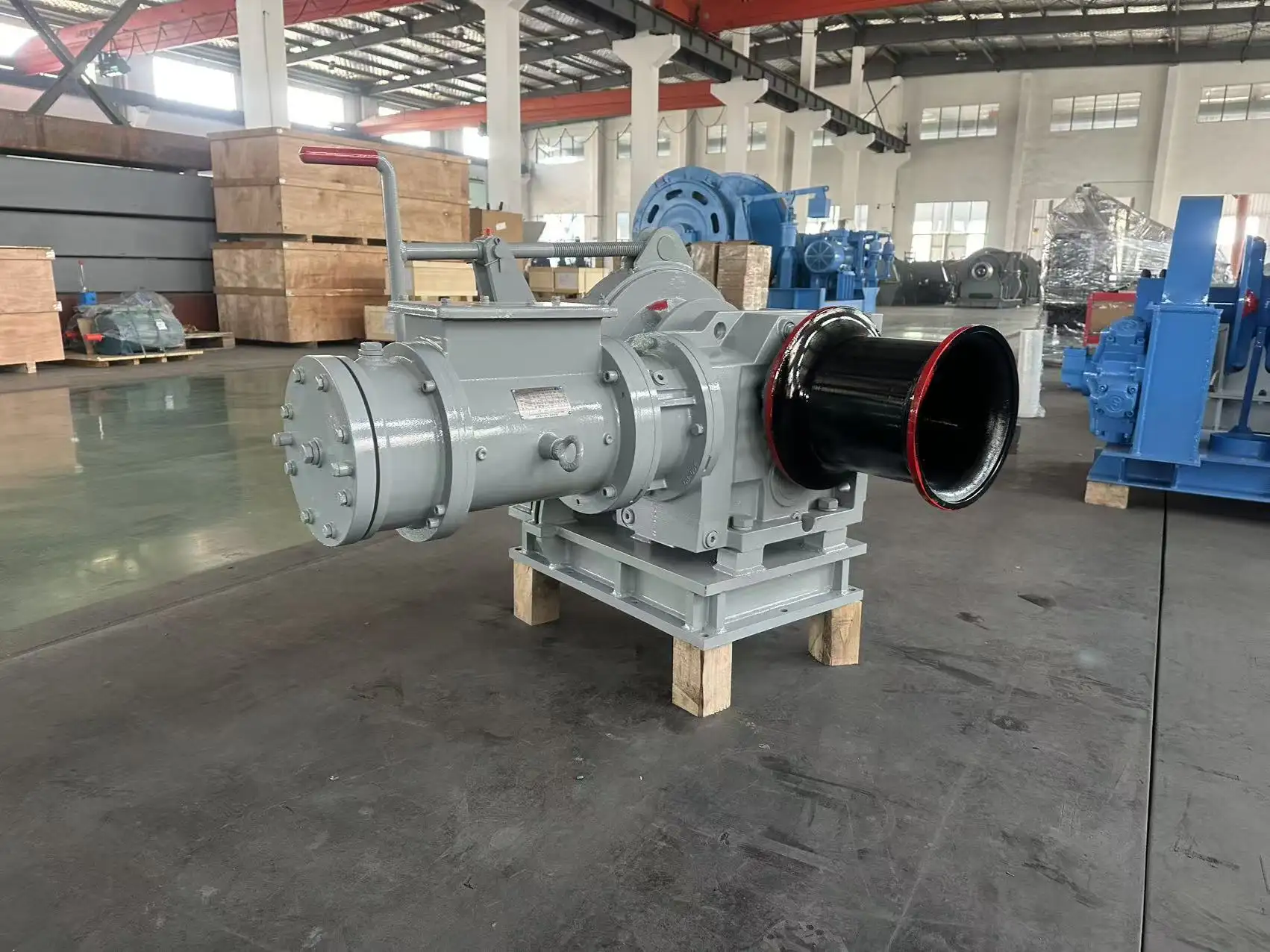
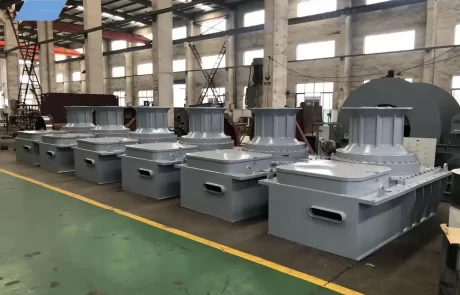
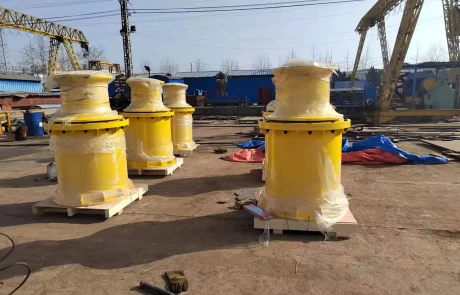
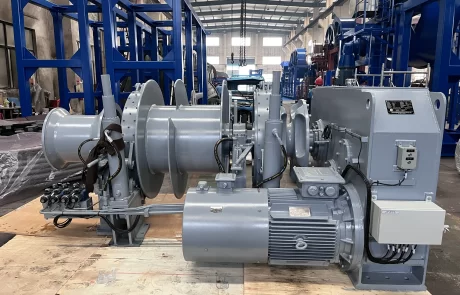
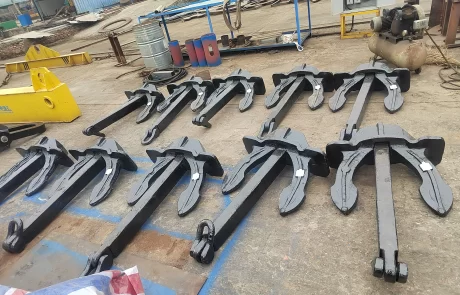
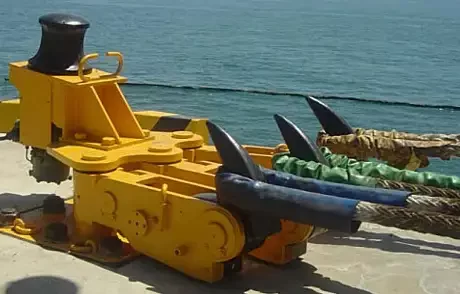
An anchor winch is designed to lower, retrieve, and secure a vessel’s anchor. It controls the anchor chain during anchoring operations and helps keep the vessel safely positioned.
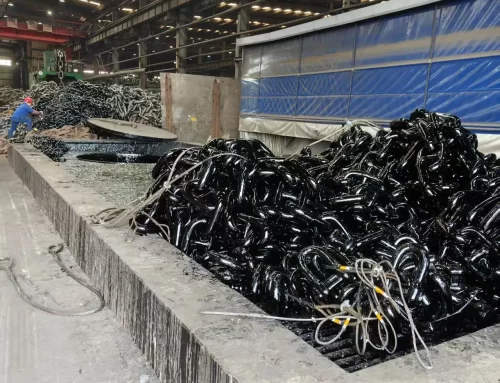
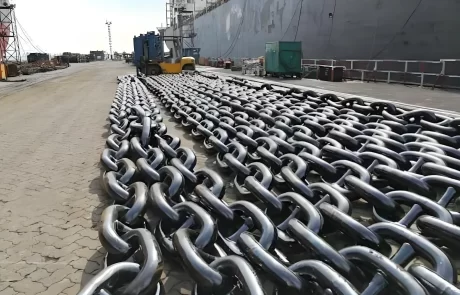
Anchor winches are commonly installed at the bow and are used on cargo ships, fishing vessels, tugboats, offshore support vessels, and many other commercial ships. Always work with anchor chains.
Typical features include:
- Chain wheel (wildcat)
- Chain handling system
- Brake mechanism
- Electric or hydraulic drive
- Anchor chain storage compatibility
For more details, visit our Anchor Winch product page.
What Is a Mooring Winch?
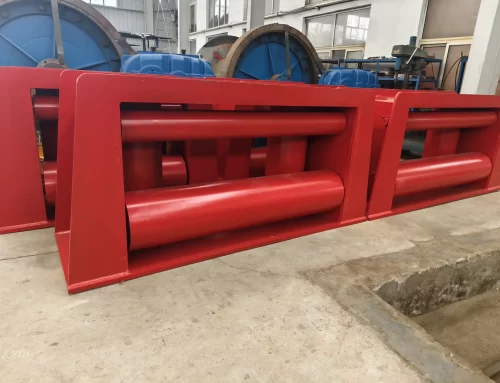
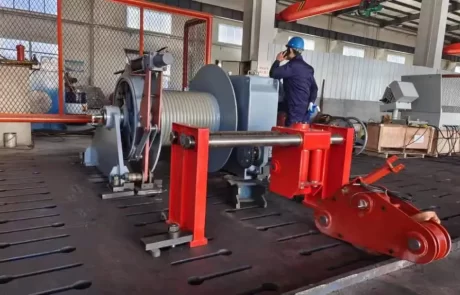
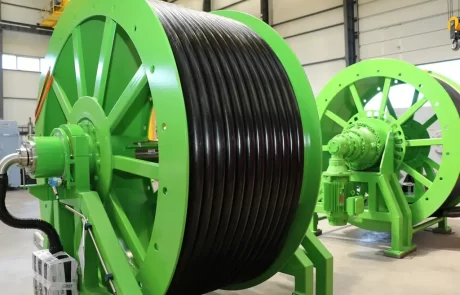
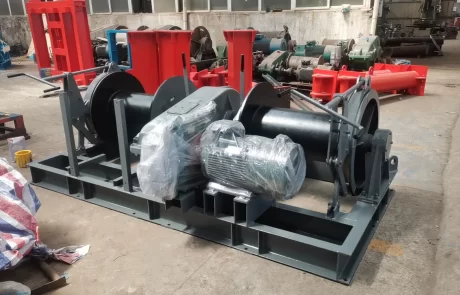
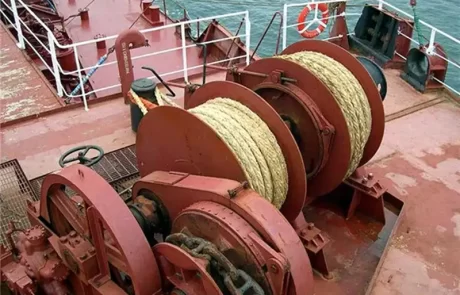
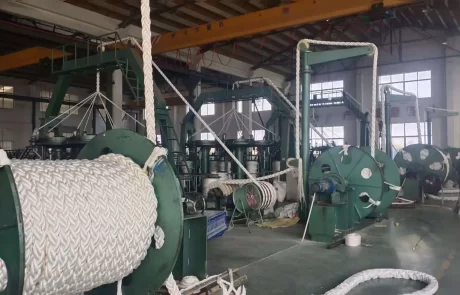
A mooring winch is used to tighten, release, and control mooring ropes or wire ropes while a vessel is alongside a berth.
Instead of handling anchors, it maintains proper line tension during docking and undocking. Work with mooring chains or ropes.
Modern mooring winches may include automatic tension control to compensate for tides, waves, and vessel movement.
Typical applications include:
- Commercial ports
- Oil terminals
- LNG terminals
- Offshore platforms
- Passenger terminals
Learn more on our Mooring Winch page.
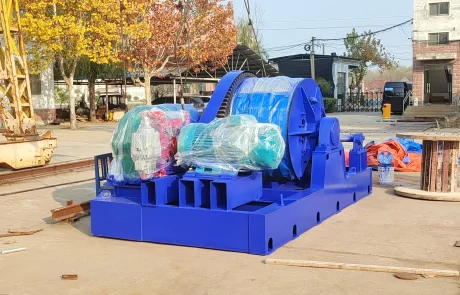
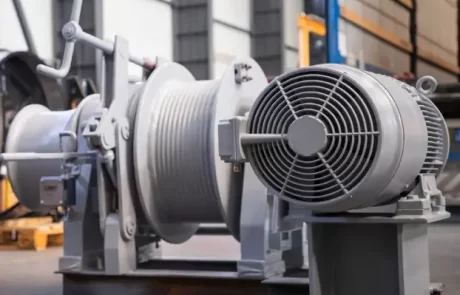
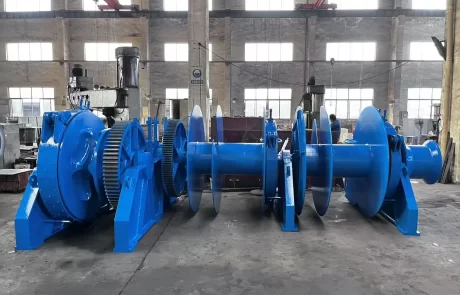
Anchor Winch vs Mooring Winch: Key Differences
| Feature | Anchor Winch | Mooring Winch |
|---|---|---|
| Main Function | Handle anchor chain | Control mooring lines |
| Working Medium | Anchor chain | Rope or wire rope |
| Installation | Usually at the bow | Bow, stern or midship |
| Primary Use | Anchoring | Berthing and mooring |
| Common Drive | Electric or hydraulic | Electric, hydraulic or diesel |
Although both systems use drums and drive units, they serve different purposes during vessel operations.
Can One Winch Perform Both Functions?
Yes, in some cases.
Many commercial vessels use an Anchor Mooring Combined Winch, which combines anchor-handling and mooring functions in a single compact unit.
This design helps save deck space, simplifies installation, and reduces equipment costs. It is commonly found on workboats, offshore support vessels and smaller commercial ships where space is limited.
For larger vessels with demanding operating conditions, separate anchor winches and mooring winches are often preferred because each system can be optimized for its specific task.
How to Choose the Right Winch
The best choice depends on the vessel’s operating requirements.
Consider the vessel type: A tugboat, cargo ship, and offshore vessel all have different mooring and anchoring needs.
Evaluate the Working Load: Choose a winch with sufficient line pull and holding capacity for the expected operating conditions.
Select the Right Drive System: Electric winches are widely used on commercial vessels, while hydraulic systems are often preferred for heavy-duty or continuous-duty applications.
Think About Future Maintenance: Selecting equipment with readily available spare parts and a straightforward maintenance schedule can reduce downtime over the long term.
Why Winch Selection Matters
The winch is one of the most frequently used pieces of deck equipment. Choosing the right model affects not only operational efficiency but also crew safety and maintenance costs.
For example, an undersized mooring winch may struggle to maintain proper line tension in changing tidal conditions, while an oversized anchor winch can increase installation costs without providing additional operational benefits.
Working with an experienced manufacturer helps ensure the winch is matched to the vessel, the operating environment and the applicable marine standards.
Conclusion
Anchor winches and mooring winches are designed for different tasks, but both are essential for safe vessel operations.
If your vessel requires both anchoring and mooring functions, you may benefit from an integrated anchor-mooring combined winch. For specialized operations or larger ships, separate systems often provide greater flexibility and performance.
Understanding these differences makes it easier to choose equipment that improves safety, efficiency, and long-term reliability.
FAQ
Is an anchor winch the same as a windlass?
In many cases, the terms are used interchangeably. However, “windlass” often refers specifically to the anchor-handling mechanism with a chain wheel.
Can a mooring winch lift an anchor?
No. A standard mooring winch is designed for ropes or wire ropes and should not be used to handle anchor chains unless it is part of a combined system.
Which winch is used for docking?
A mooring winch is used to control mooring lines while a vessel is docking or berthed.
What is an anchor mooring combined winch?
It is a winch that integrates anchor handling and mooring functions into a single piece of equipment, making it suitable for vessels with limited deck space.