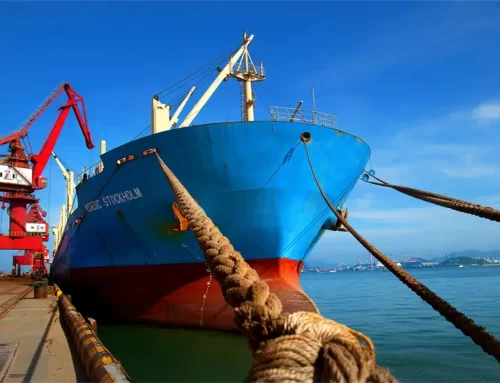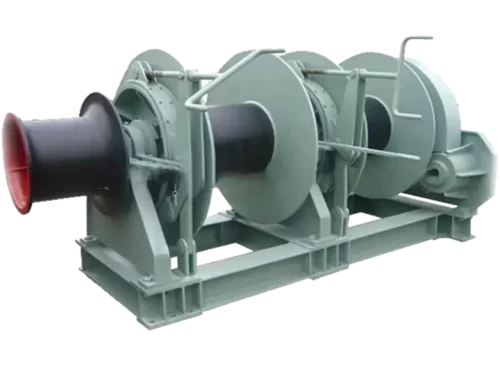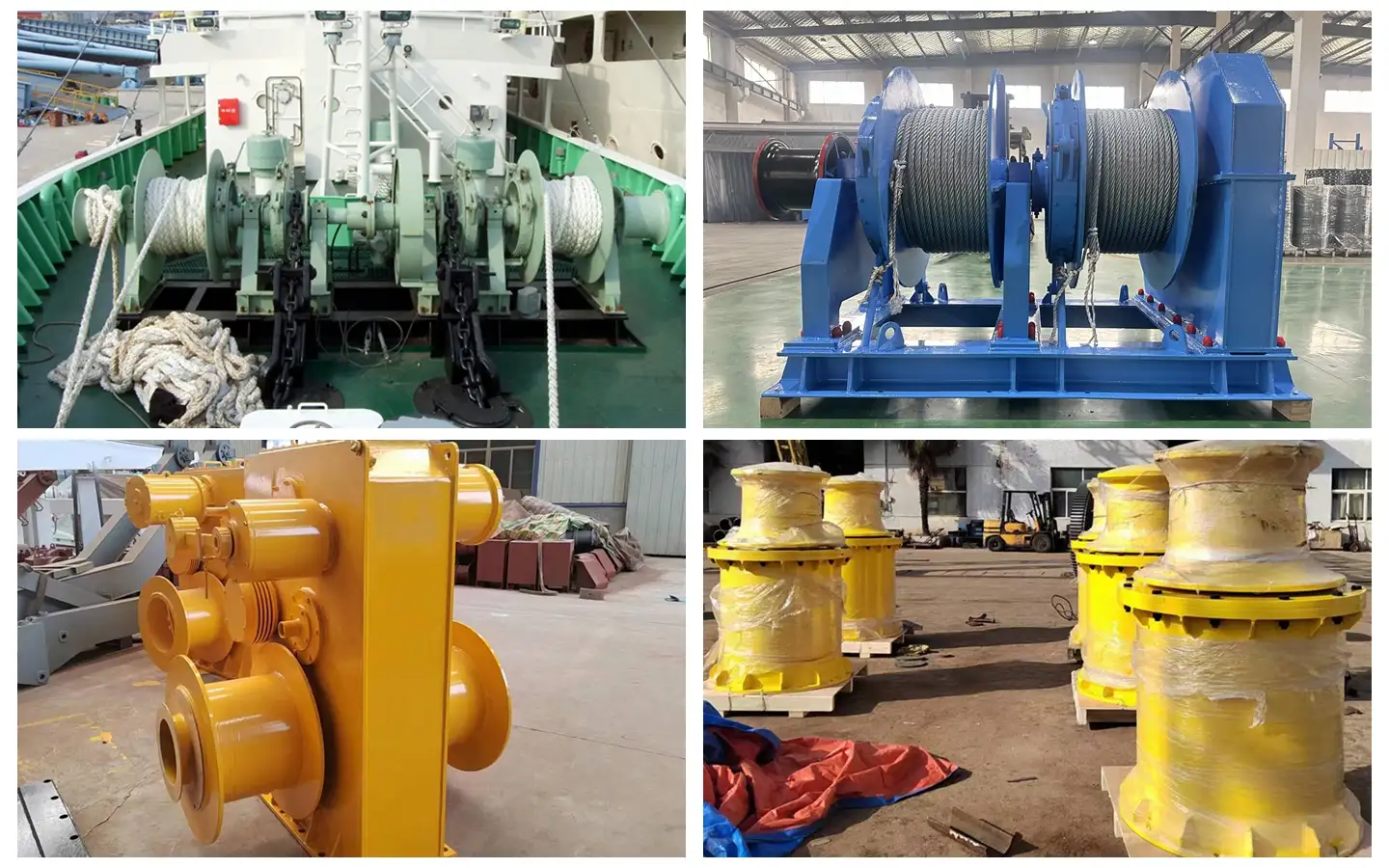
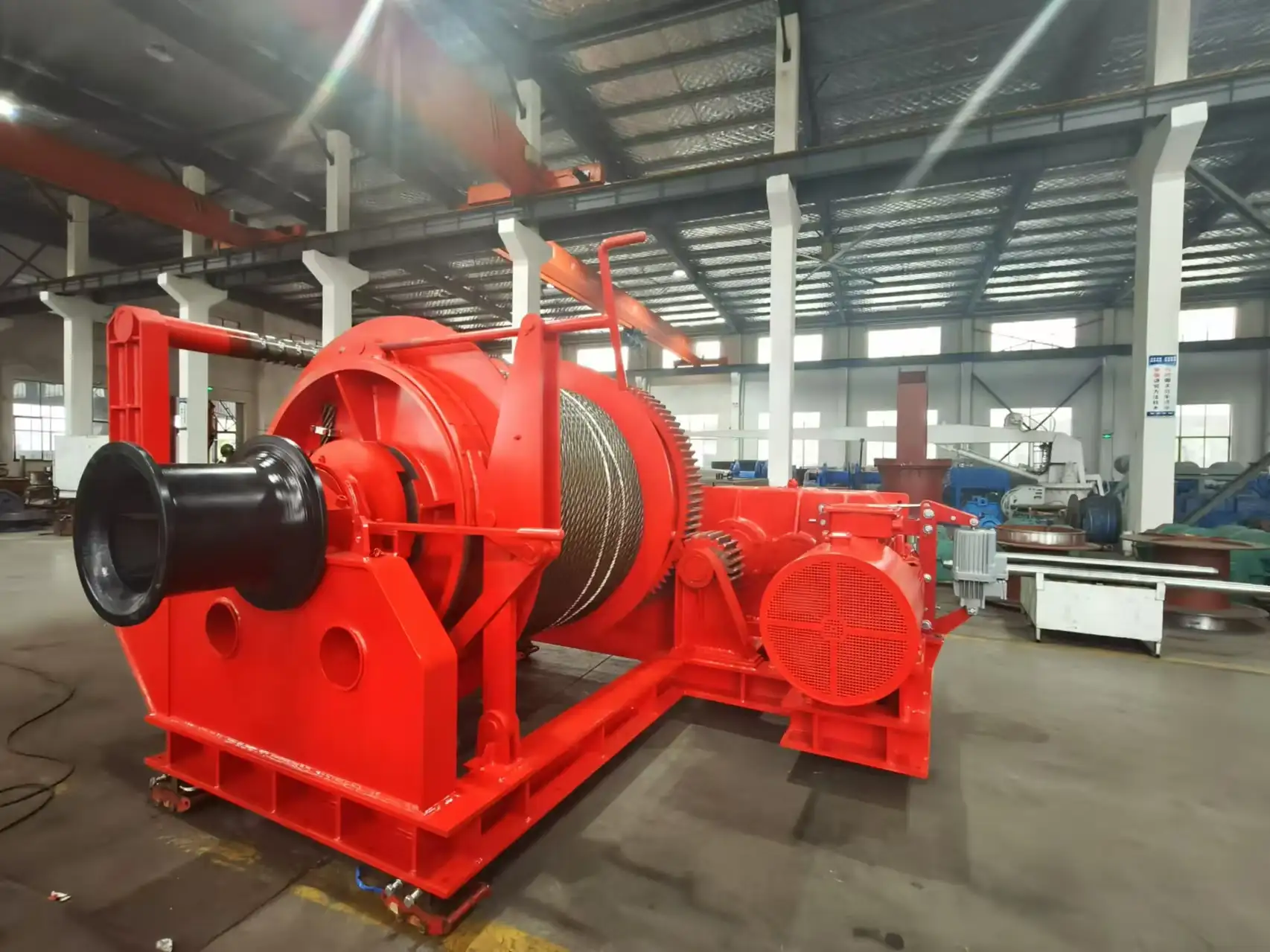
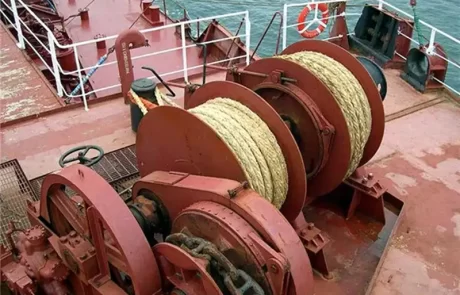
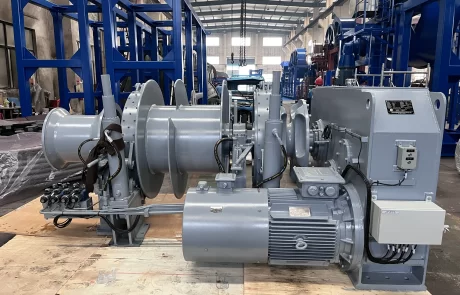
Wire ropes play an essential role in marine operations. They are used on towing winches, mooring systems, offshore cranes and other deck equipment where strength and reliability are critical.
However, even a high-quality wire rope will wear over time. Regular inspections help detect problems early, reduce downtime and improve operational safety.
This guide explains what to check during a routine wire rope inspection and why a consistent inspection schedule matters.
Why Wire Rope Inspection Is Important
Marine wire ropes are exposed to moisture, salt, heavy loads, and repeated bending. These conditions gradually affect the rope’s performance. Routine inspections help operators:
- Improve workplace safety
- Reduce unexpected failures
- Extend rope service life
- Plan maintenance more efficiently
- Lower replacement costs
A simple inspection today can prevent expensive repairs tomorrow.
What Should You Look For?
A visual inspection is often the first step.
Check the rope carefully for:
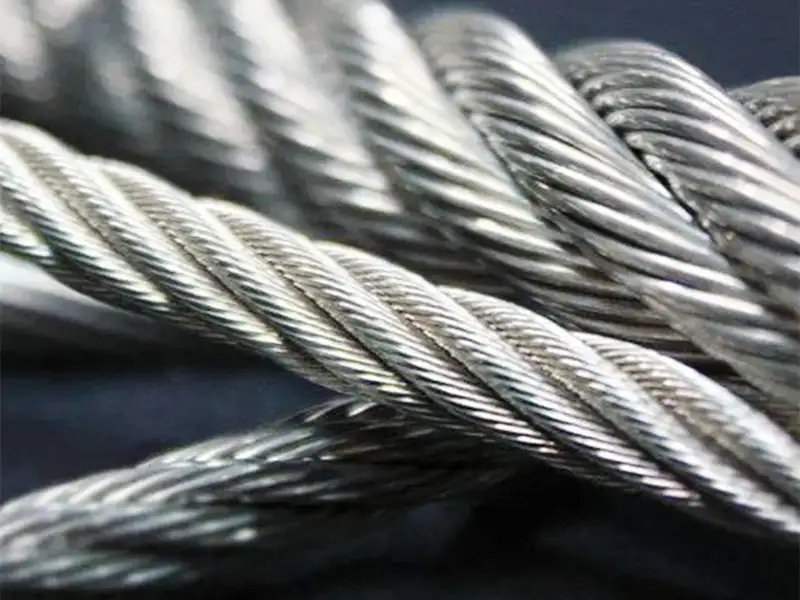
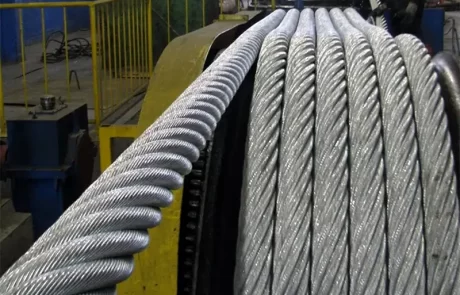
Broken Wires: Small broken wires are often the earliest sign of wear. If several broken wires appear in one section, further evaluation is recommended.
Corrosion: Saltwater can cause corrosion that weakens the rope over time. Pay close attention to areas that remain wet or are difficult to clean.
Flattening or Deformation: A rope should maintain its original shape. Flattened sections, crushed strands, or bird-caging indicate that the rope may no longer perform safely.
Diameter Reduction: Measure the rope diameter periodically. A noticeable reduction may indicate internal wear.
Pay Extra Attention to High-Wear Areas
Not every section of a wire rope wears at the same rate.
Inspect these areas more carefully:
- Around winch drums
- Over sheaves
- Near end terminations
- Frequently bent sections
- Areas exposed to seawater
These locations experience the highest stress during normal operation.
How Often Should Wire Rope Be Inspected?
Inspection frequency depends on how the rope is used.
| Operating Condition | Suggested Inspection |
|---|---|
| Daily operation | Quick visual check before use |
| Weekly | General condition inspection |
| Monthly | Detailed inspection and measurement |
| Heavy-duty offshore work | Inspect before and after major operations |
When Should a Wire Rope Be Replaced?
A wire rope should not continue in service if it shows signs that could affect safe operation.Replacement should be considered when there are:
- Multiple broken wires
- Severe corrosion
- Permanent deformation
- Significant diameter reduction
- Damaged end fittings
Following the manufacturer’s recommendations and applicable industry standards is always the safest approach.
Good Maintenance Starts with Proper Inspection
Inspection and maintenance work together.Keeping the rope clean, properly lubricated and correctly wound on the drum helps reduce wear and extend service life.
Operators who follow a regular inspection schedule often identify small problems before they become major failures.
Common Wire Rope Inspection Mistakes
Only checking the visible surface.Ignoring rope lubrication.Measuring only one section of the rope.Continuing to use ropes with damaged end fittings.
Wire rope inspection is a simple but essential part of marine equipment maintenance.
By checking for wear, corrosion, deformation, and other visible damage, operators can improve safety, reduce downtime and maximize the working life of their wire ropes.
A consistent inspection routine also helps ensure that winches, cranes and mooring systems continue to operate reliably in demanding marine environments.
FAQ
How often should marine wire ropes be inspected?
The inspection frequency depends on operating conditions, but ropes used daily should receive regular visual checks and scheduled detailed inspections.
What is the most common cause of wire rope damage?
Repeated bending, heavy loads, corrosion, and poor lubrication are among the most common causes.
Can a rusty wire rope still be used?
Light surface rust may not affect performance immediately, but severe corrosion can reduce rope strength and should be carefully evaluated.
Why should rope diameter be measured?
A reduction in diameter may indicate internal wear or structural damage that is not obvious during a visual inspection.