Offshore vessels and floating structures operate in some of the world’s most demanding environments. Wind, waves and ocean currents constantly place heavy loads on mooring equipment, making a reliable offshore mooring system essential for safe operations.
Whether supporting an offshore platform, floating production unit or ocean research project, the right mooring system helps maintain stability while reducing operational risks.
This guide explains the basic components, common system types and the key factors to consider when planning an offshore mooring solution.
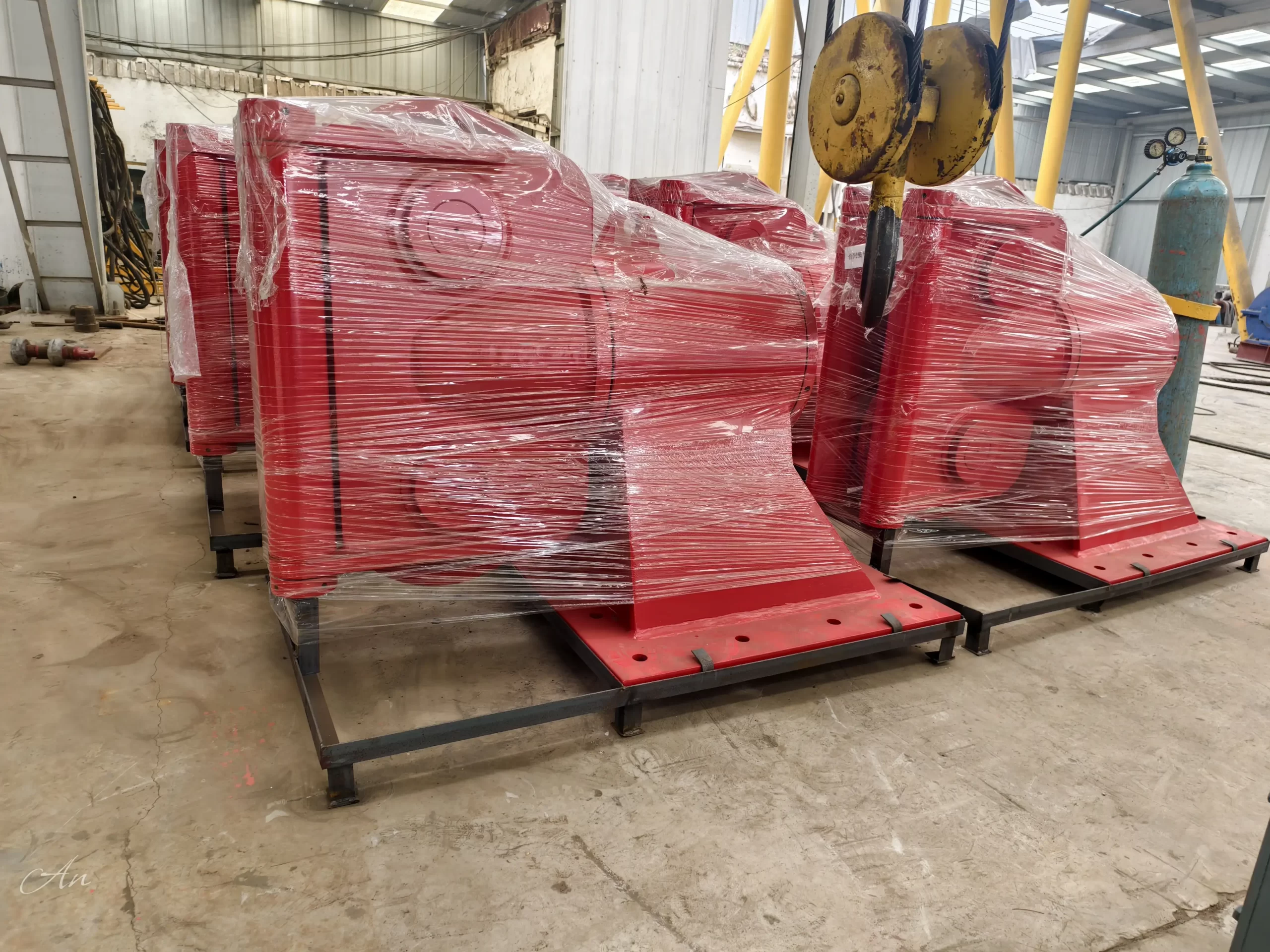
What Is an Offshore Mooring System?
An offshore mooring system is designed to keep floating structures in a fixed position while allowing controlled movement caused by waves, tides and wind.
Unlike conventional port mooring, offshore systems operate continuously under changing environmental conditions and are often installed for long-term service.
Typical offshore applications include:
- Offshore oil and gas platforms
- Floating wind farms
- Floating docks
- FPSO and FSO units
- Ocean research vessels
- Offshore construction barges
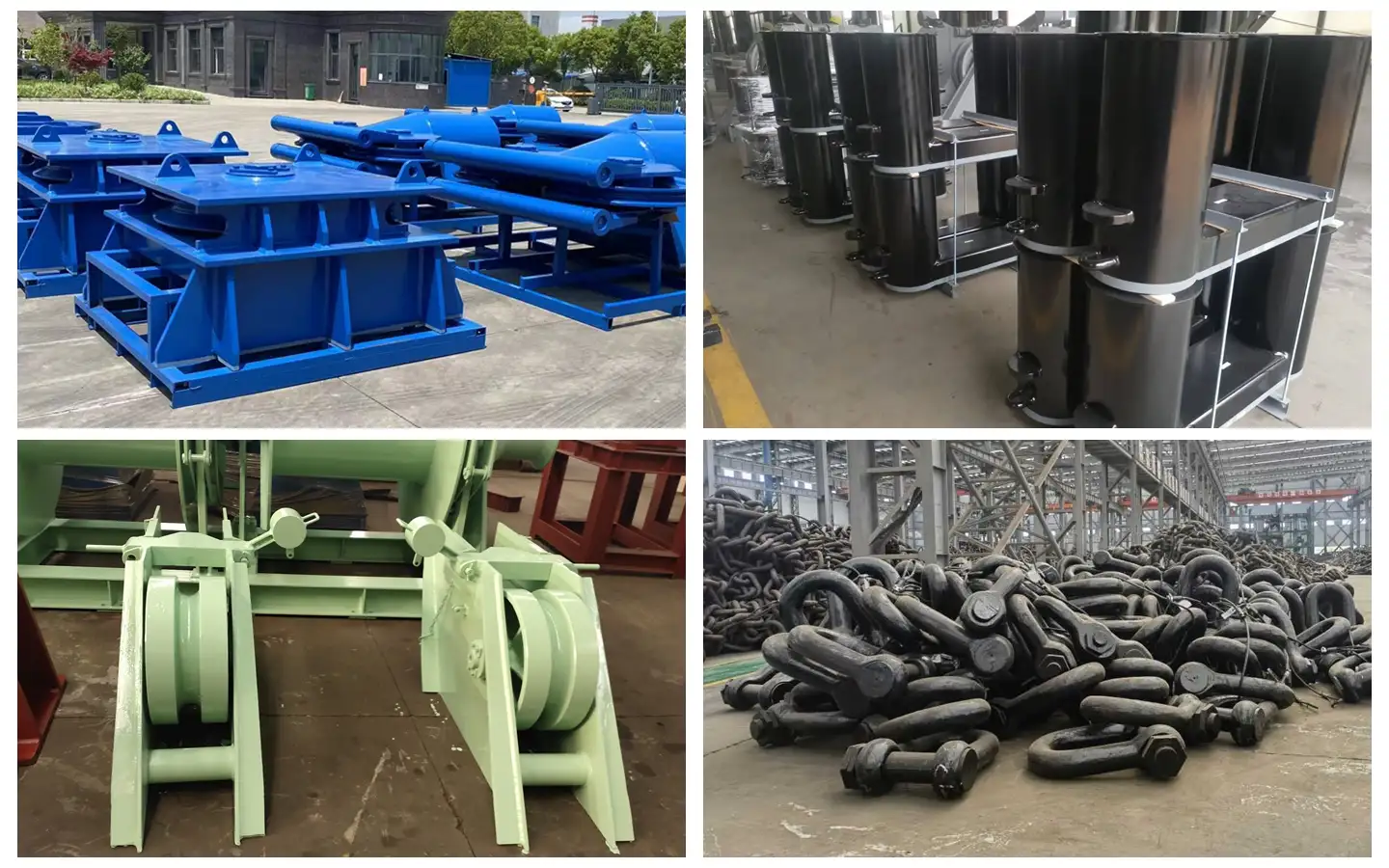
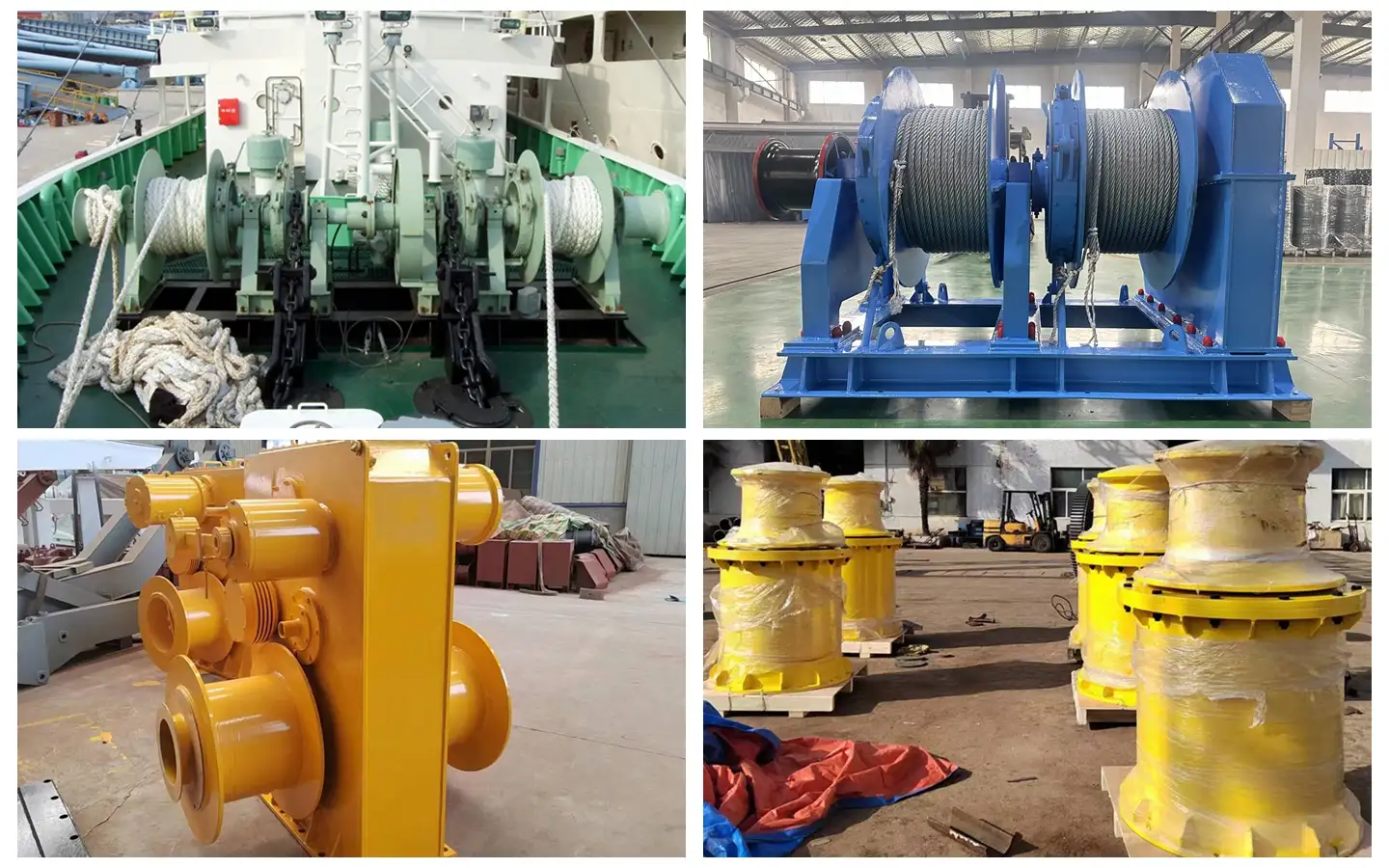
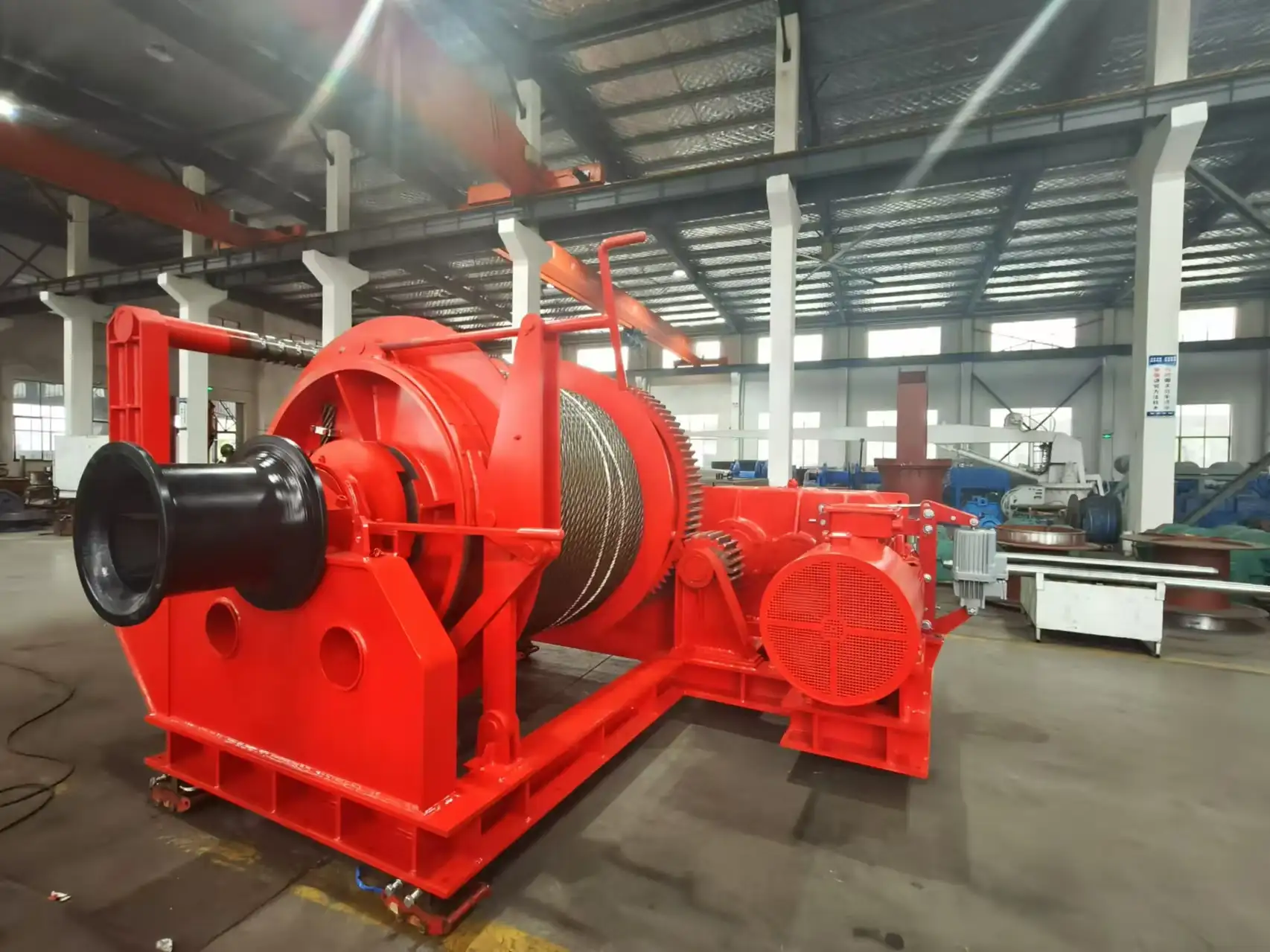
Main Components of an Offshore Mooring System
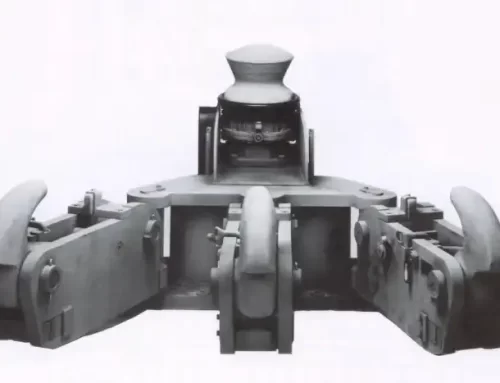
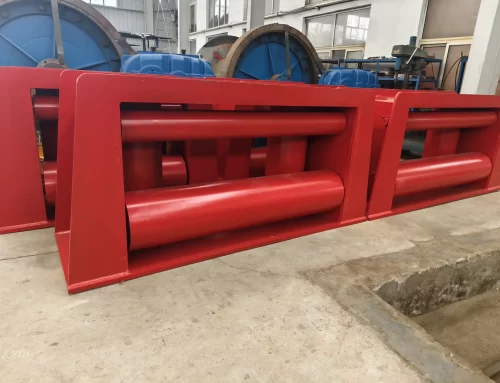
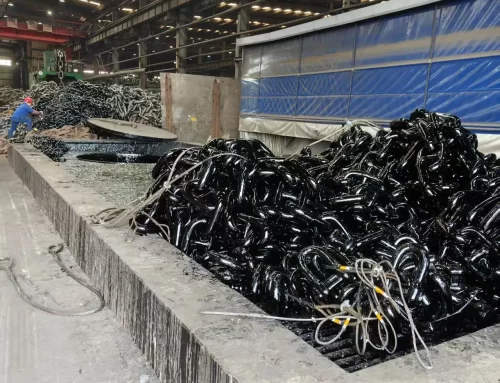
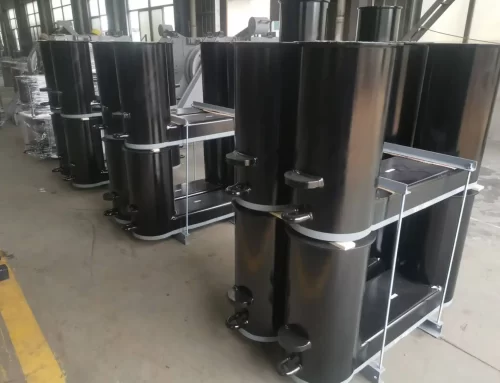
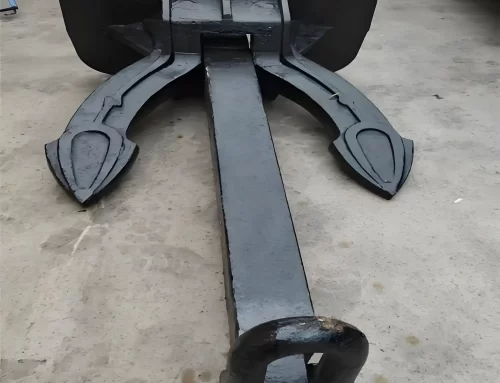
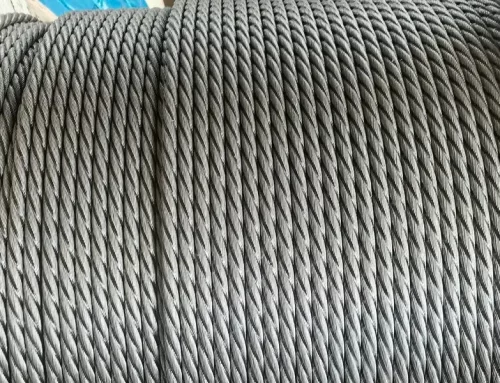
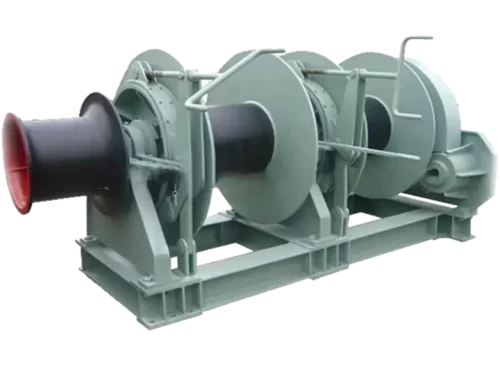
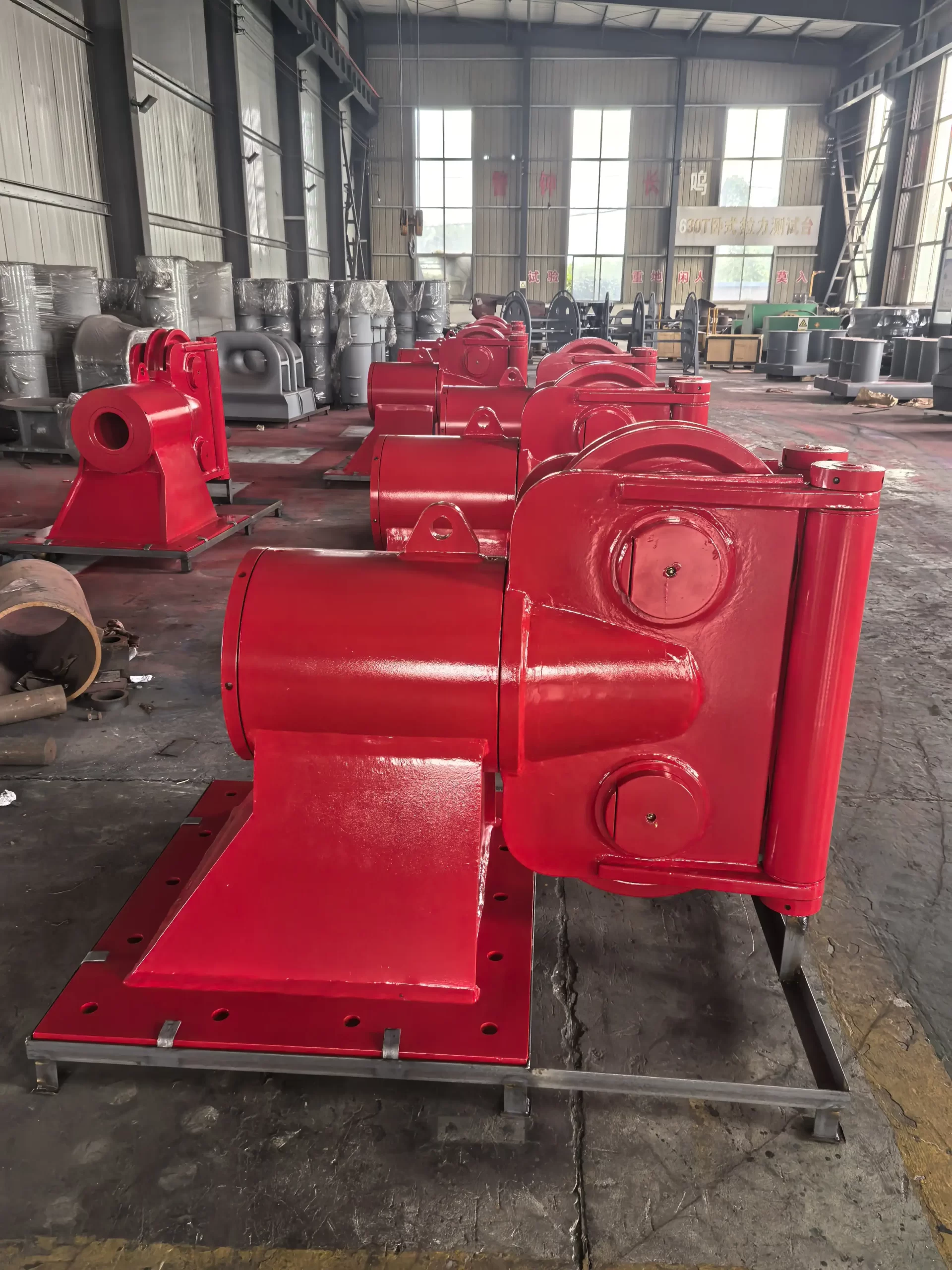
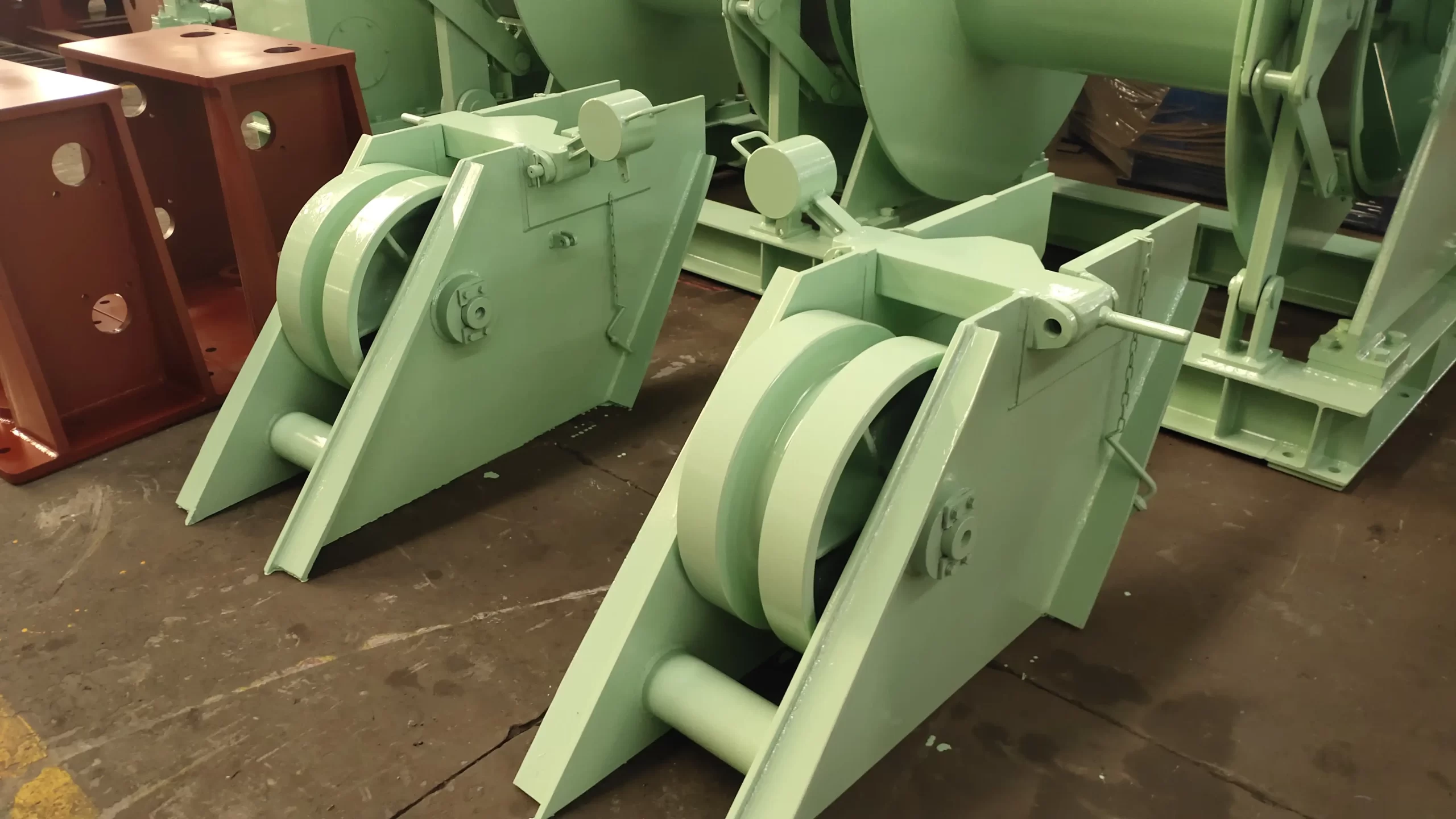
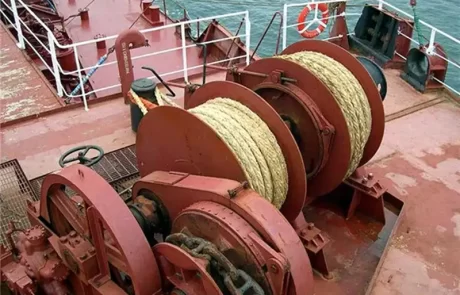
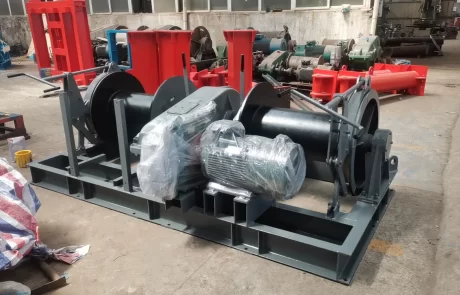
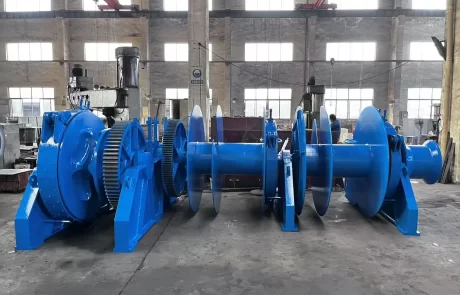
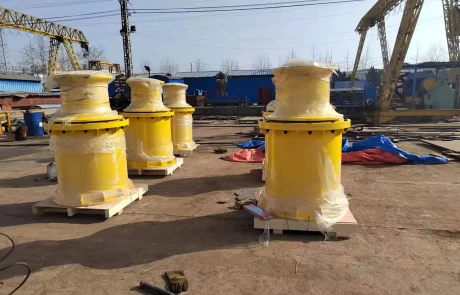
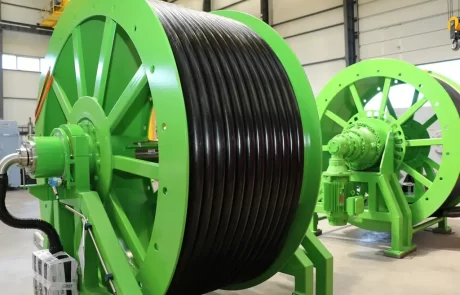
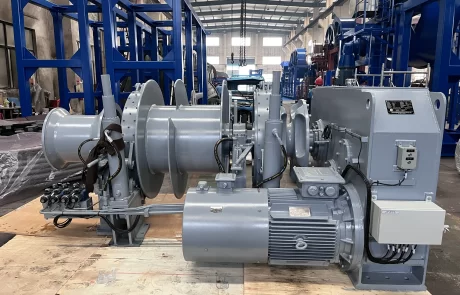
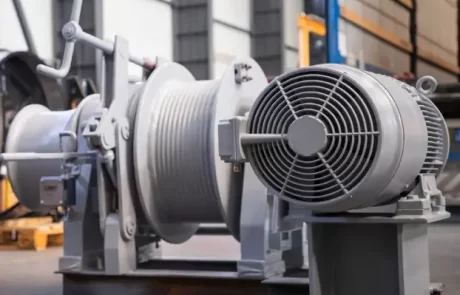
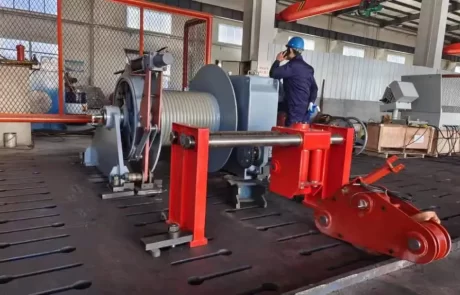
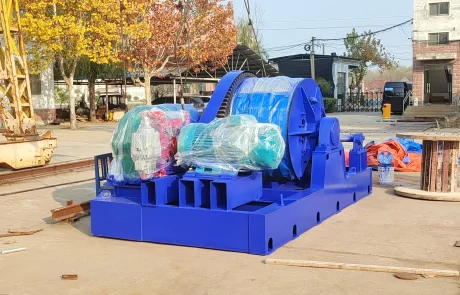
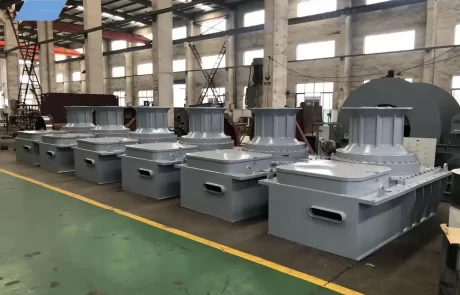
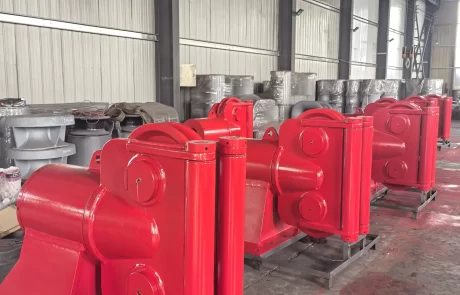
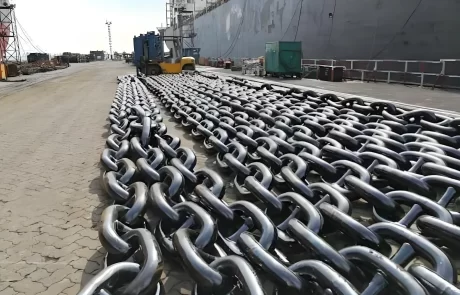
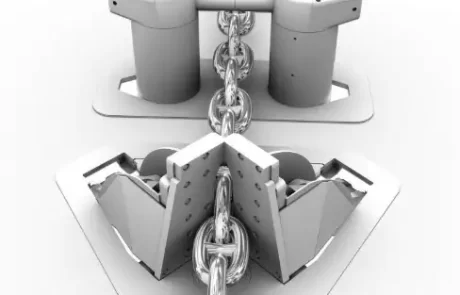
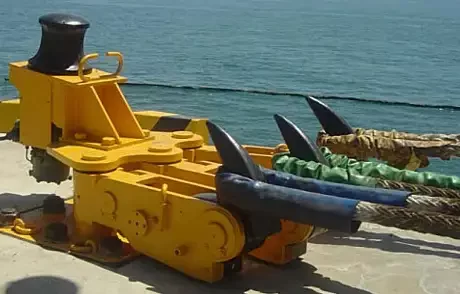
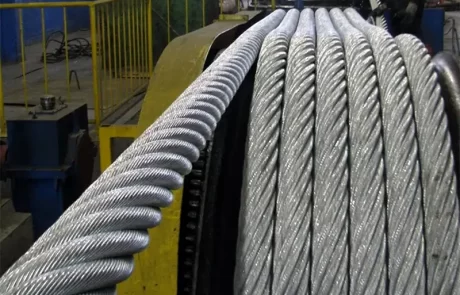
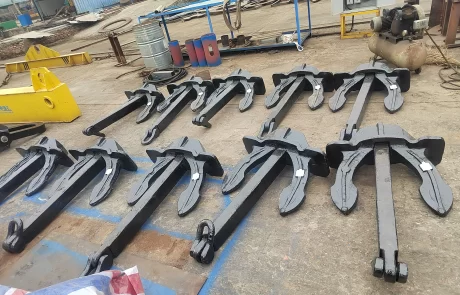
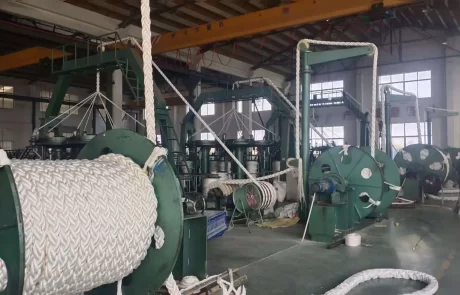
Although every project has unique requirements, most offshore mooring systems include several essential components working together.
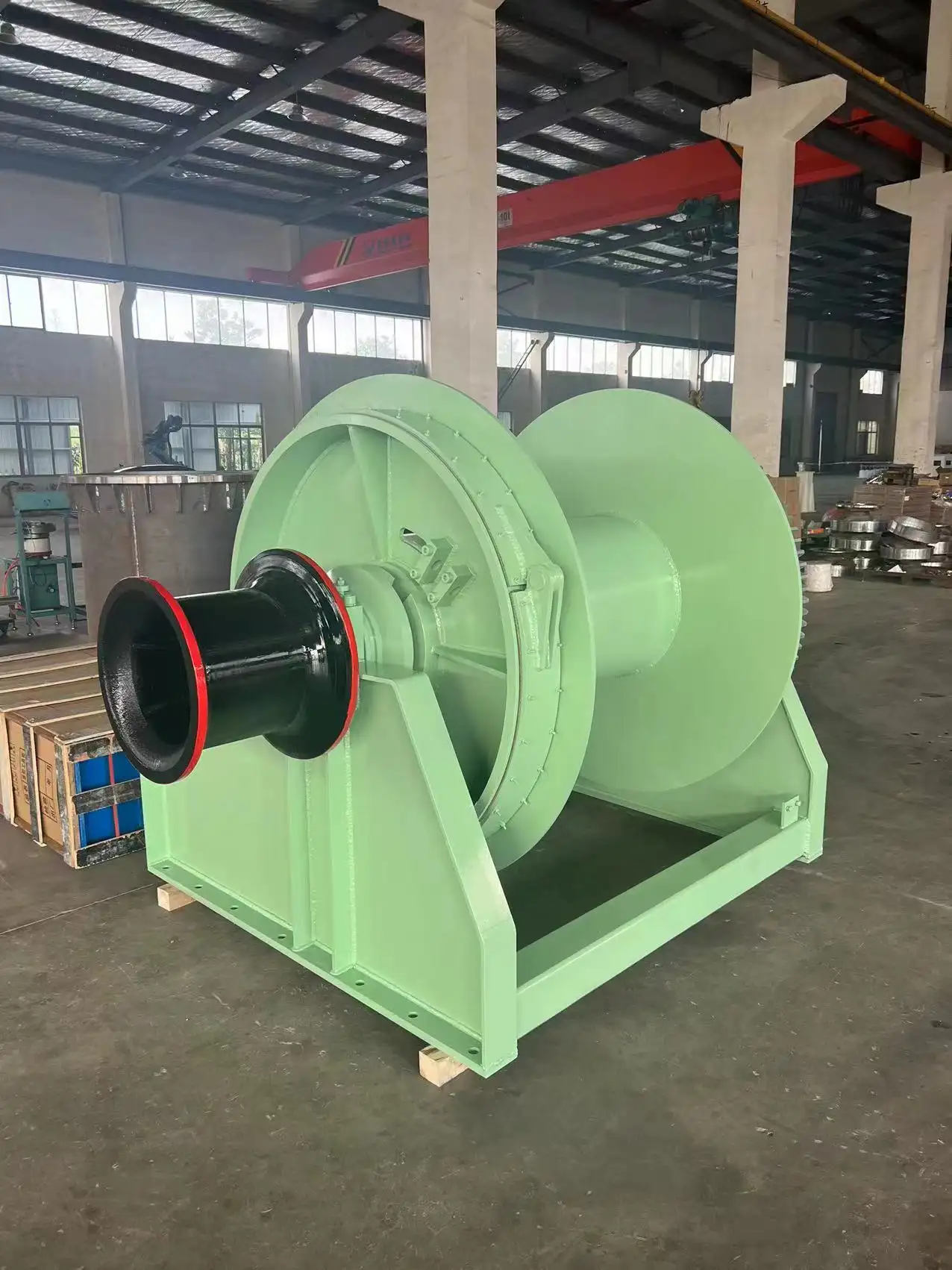
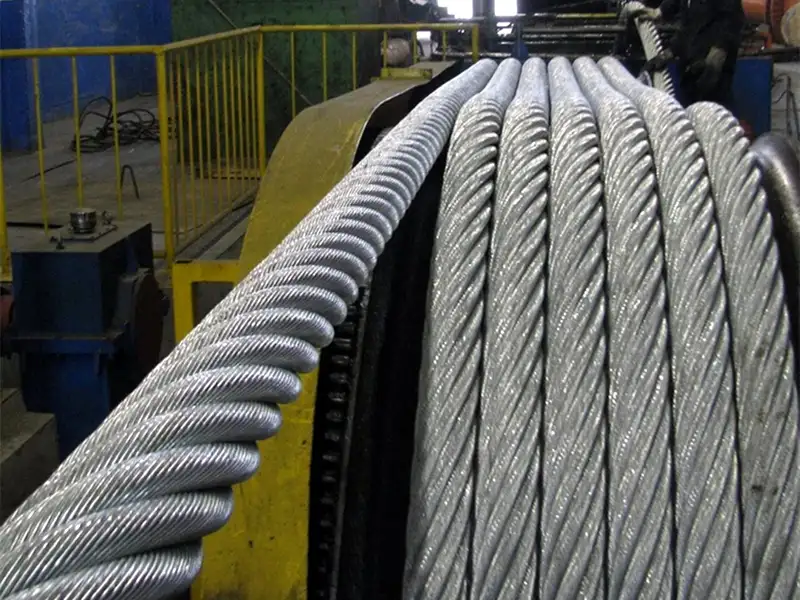
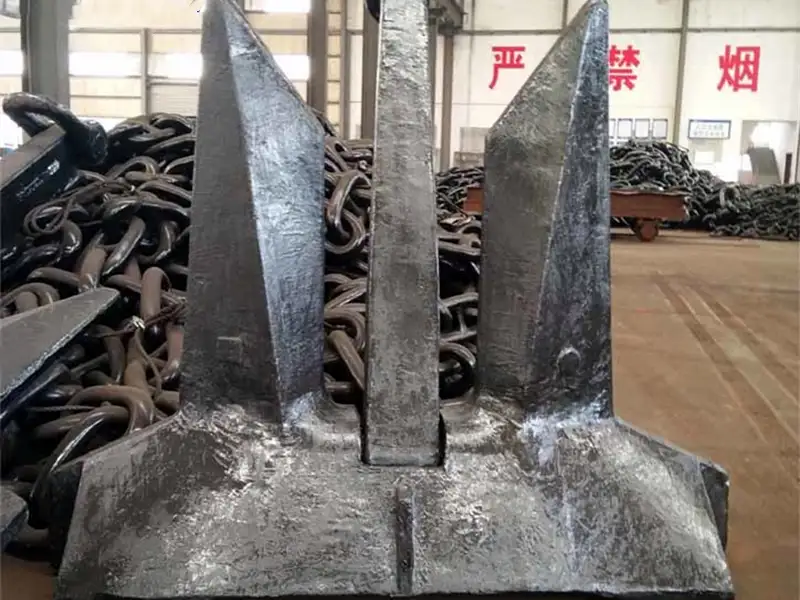
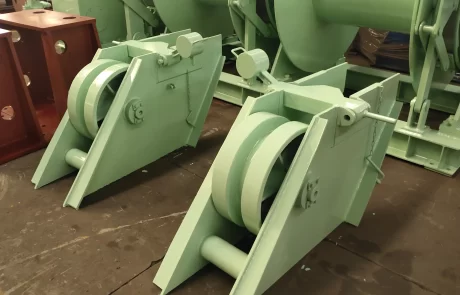
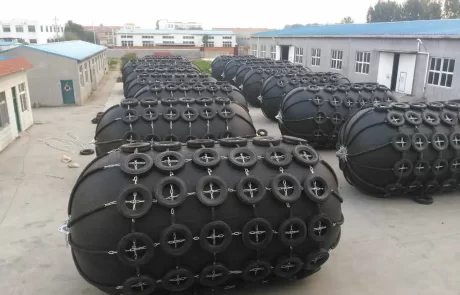
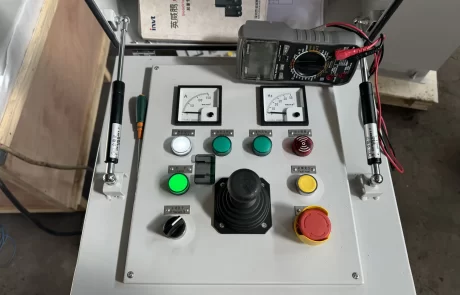
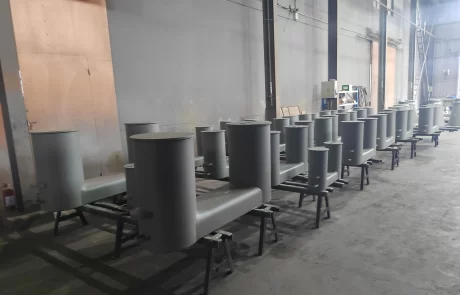
Common Types of Offshore Mooring Systems
The choice of mooring arrangement depends on water depth, environmental conditions, and project requirements.
Catenary Mooring: Uses the weight of the chain to absorb loads. It is widely used in shallow and medium water depths.
Taut Leg Mooring: Applies higher line tension and shorter mooring lines, making it suitable for deeper waters.
Spread Mooring: Multiple mooring lines are arranged around the structure to improve stability and distribute loads evenly.
Single Point Mooring (SPM): Allows vessels to rotate freely around a single connection point while remaining securely moored.
Factors to Consider When Selecting a Mooring System
A successful offshore mooring system begins with careful planning.
Important considerations include:
- Water depth
- Environmental loads
- Vessel or platform size
- Seabed conditions
- Service life
- Inspection requirements
- Applicable marine standards
Selecting equipment based only on load capacity may result in higher maintenance costs or reduced operational efficiency.
Common Mistakes in Offshore Mooring Projects
Some problems can be avoided with better planning during the design stage.Common mistakes include:
- Choosing rope materials without considering the operating environment.
- Ignoring corrosion protection for long-term offshore service.
- Underestimating environmental loads during storms.
- Using incompatible equipment from different suppliers.
- Delaying routine inspections after installation.
A well-designed system combines quality equipment with regular maintenance and inspection throughout its service life.
Why Regular Inspection Matters
Even the best mooring system requires periodic inspection.Routine checks help identify wear before it becomes a serious problem and improve long-term reliability. Inspection typically includes:
- Rope or chain condition
- Anchor integrity
- Fairlead wear
- Winch operation
- Corrosion protection
- Connection hardware
Scheduled maintenance also helps reduce unexpected downtime and extends equipment life.
An offshore mooring system is a combination of carefully matched equipment designed to keep floating structures secure under challenging marine conditions.
Understanding the function of each component and selecting equipment that matches the project requirements can improve safety, reduce maintenance costs and increase operational reliability throughout the system’s service life.
FAQ
What is an offshore mooring system?
It is a system that secures floating structures such as offshore platforms, FPSOs, and floating wind turbines while allowing controlled movement.
What is the difference between offshore mooring and port mooring?
Port mooring is generally temporary while a vessel is berthed. Offshore mooring is designed for continuous operation under changing environmental conditions.
Which rope is commonly used in offshore mooring?
Both steel wire ropes and high-performance synthetic fiber ropes are widely used, depending on water depth and project requirements.
How often should offshore mooring equipment be inspected?
Inspection intervals depend on the operating environment and project requirements, but regular visual inspections and scheduled detailed examinations are recommended.