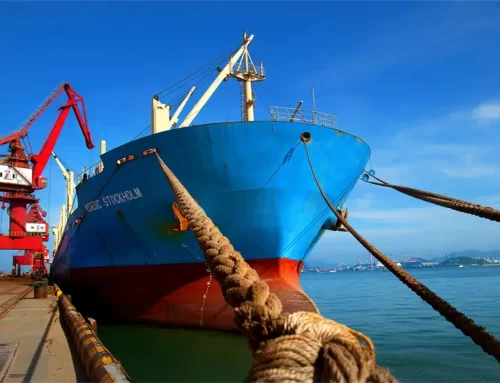
Marine bollards are one of the most important fixed components in any mooring system. They transfer the load from the vessel’s mooring lines to the quay or jetty, helping keep the vessel safely secured during loading, unloading and changing tidal conditions.
Choosing the correct bollard is about more than selecting a high load rating. The vessel type, berth layout, mooring arrangement and environmental conditions should all be considered to ensure long-term performance and safety.
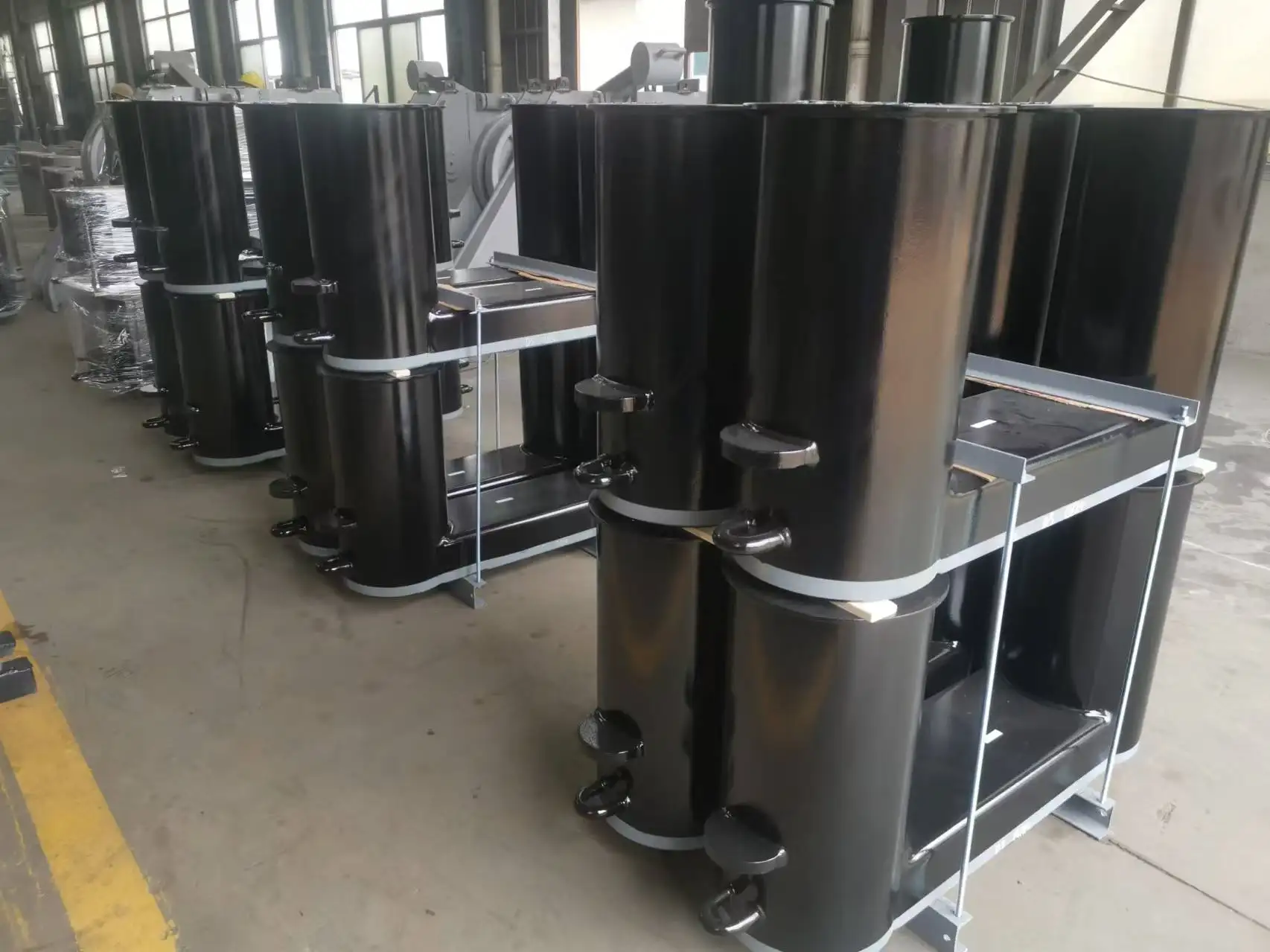
What Does a Marine Bollard Do?
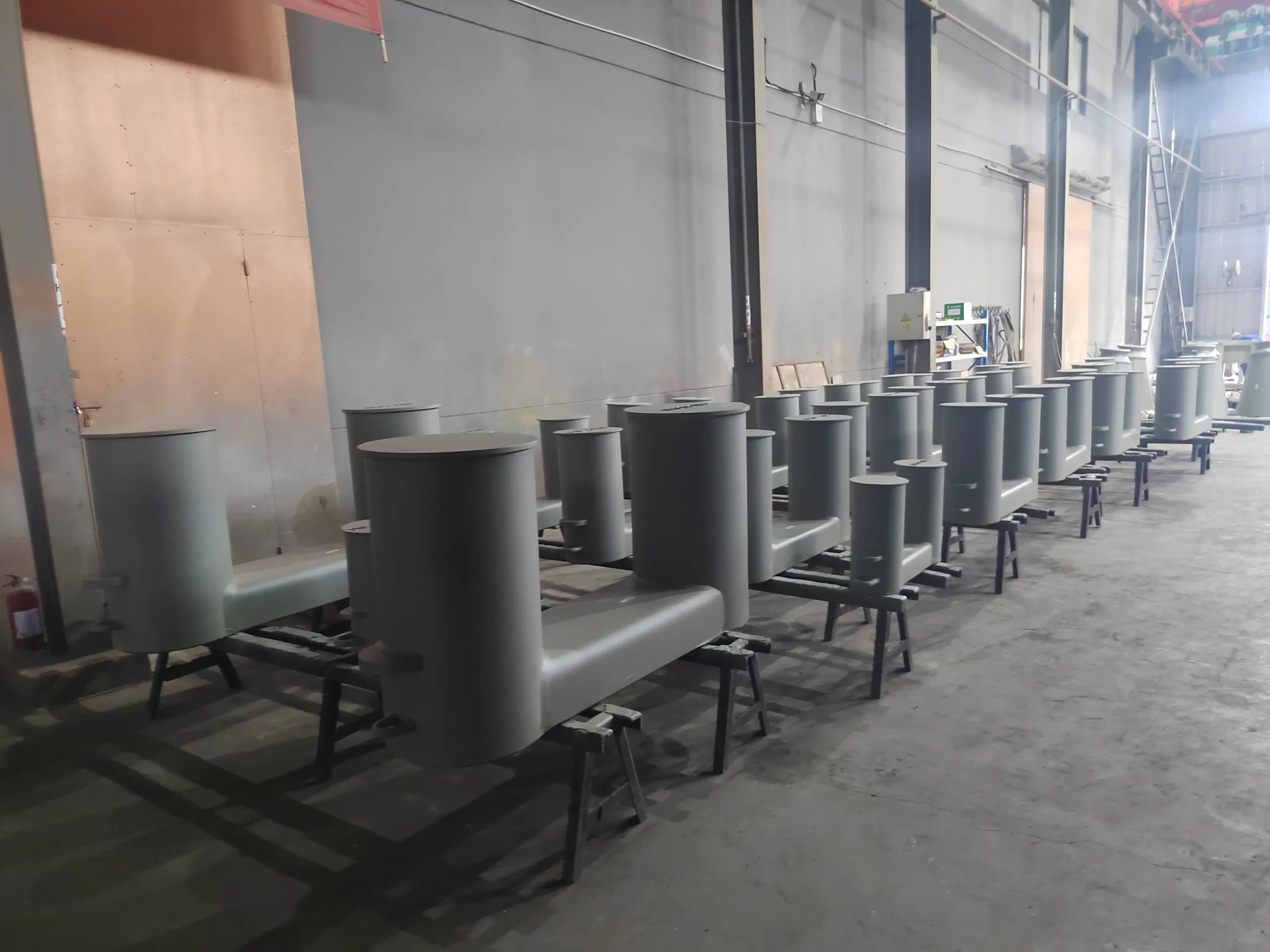
A marine bollard provides a secure point for mooring ropes or wire ropes. Once the mooring line is fastened, the bollard carries the forces generated by wind, waves, tides, and vessel movement.Bollards are widely installed at:
- Commercial ports
- Container terminals
- Oil and gas terminals
- Shipyards
- Passenger terminals
- Marinas
Although simple in appearance, a properly selected bollard plays a key role in the overall reliability of a mooring system.
Understand the Required Mooring Load
The first step in selecting a bollard is determining the expected mooring load.
The required capacity depends on several factors, including:
- Vessel size
- Vessel displacement
- Local wind conditions
- Current and tidal forces
- Number of mooring lines
Selecting a bollard with an appropriate safety margin helps reduce the risk of overload while providing reliable long-term service.
Select the Right Bollard Type
Different berth layouts require different bollard designs.
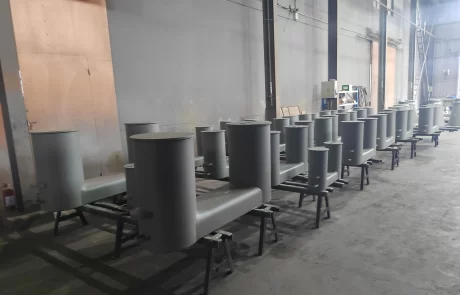
Tee Bollard: A common choice for commercial ports because it allows mooring lines to be secured from multiple directions.
Single Bitt Bollard: Often used where space is limited or lower mooring loads are expected.
Double Bitt Bollard: Suitable for handling multiple mooring lines and larger vessels.
Kidney Bollard: Designed with smooth contours that help reduce rope wear and improve line handling.
The best option depends on the layout of the berth and the vessel’s mooring arrangement.
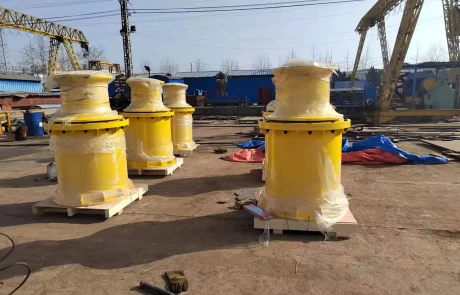
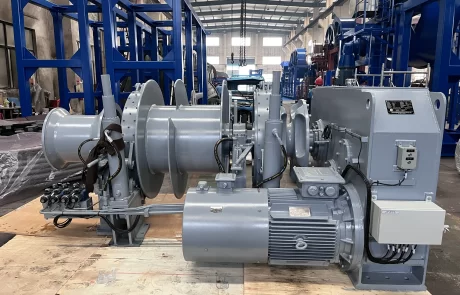
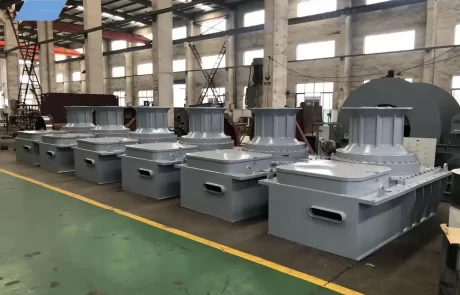
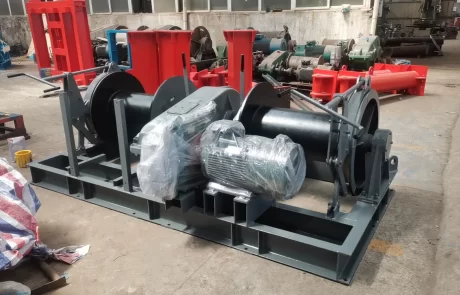

Consider Installation Conditions
The installation environment has a direct impact on bollard performance.
Important considerations include:
- Concrete strength
- Foundation design
- Bolt arrangement
- Available installation space
- Corrosion protection
A well-designed foundation is just as important as the bollard itself.
Material and Surface Protection
Marine bollards operate in harsh coastal environments where saltwater and humidity can accelerate corrosion.
To improve durability, look for features such as:
- High-strength cast steel or ductile iron
- Protective marine coatings
- Corrosion-resistant fasteners
- Smooth contact surfaces to reduce rope wear
Proper surface protection helps extend service life while lowering maintenance requirements.
Common Mistakes When Choosing a Marine Bollard
Several common mistakes can affect the performance of a mooring system.
- Choosing a bollard based only on its rated capacity.
- Ignoring the direction of mooring line forces.
- Using a foundation that cannot support the design load.
- Selecting the wrong bollard type for the berth layout.
- Overlooking corrosion protection in coastal environments.
Considering the complete installation rather than the bollard alone leads to a safer and more reliable solution.
Why Bollards Should Be Part of a Complete Mooring System
A bollard performs best when it is matched with the other components of the mooring system.
For example:
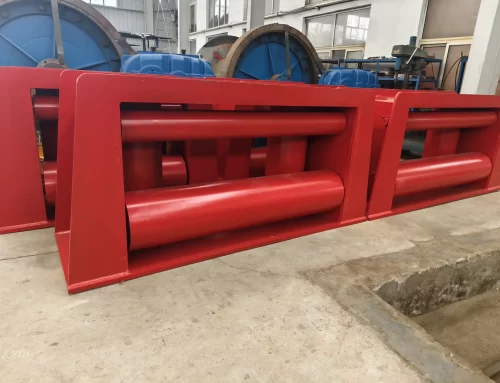
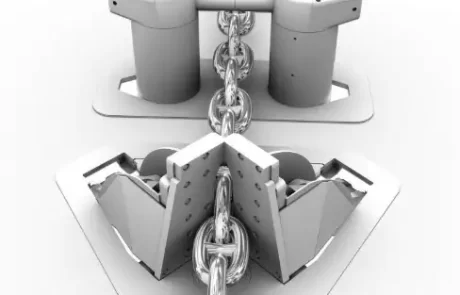
- A marine fairlead helps guide the mooring line and reduces abrasion.
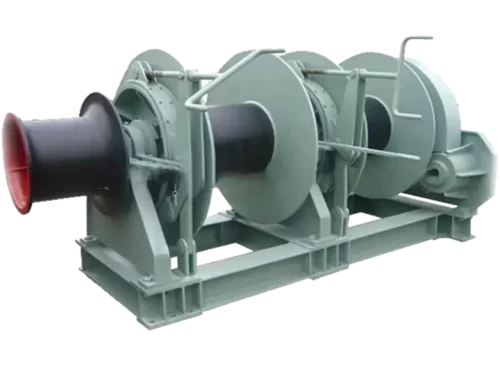
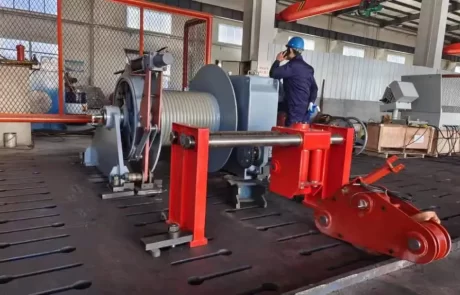
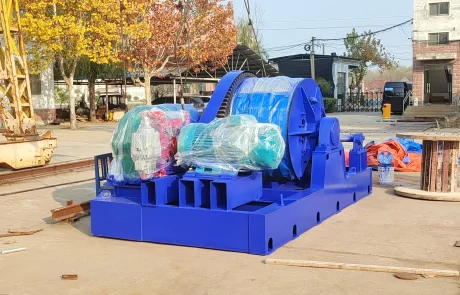
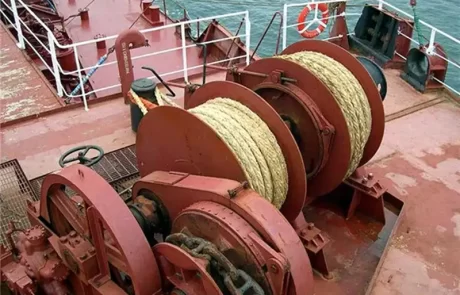
- A mooring winch maintains proper line tension during changing tides.
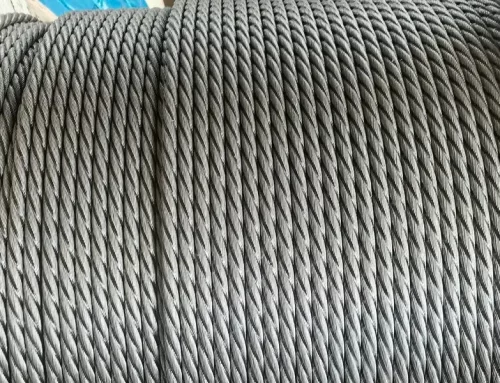
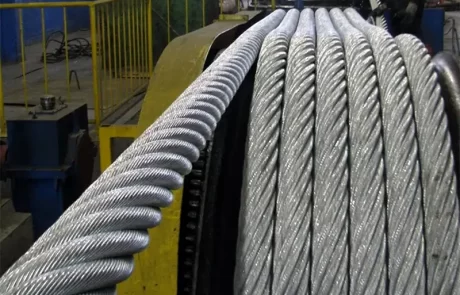
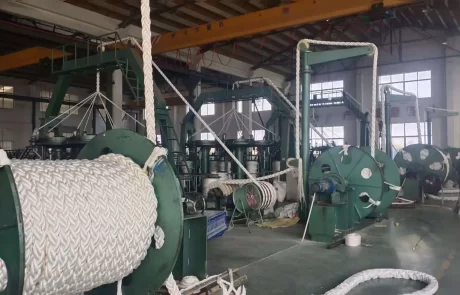
- A synthetic fiber rope or wire rope should be selected according to the working load and operating conditions.
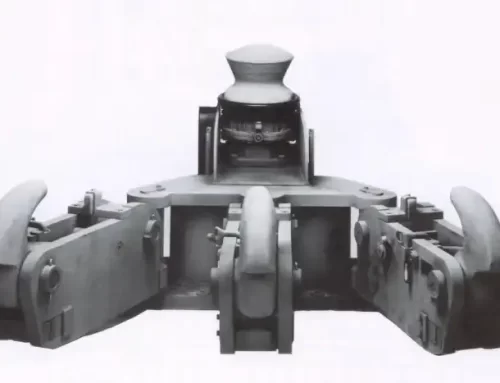
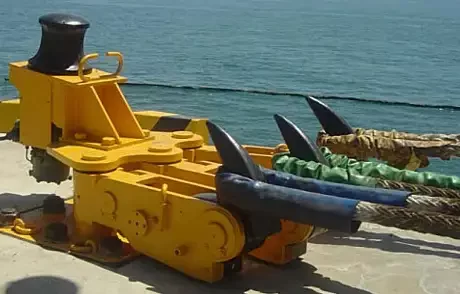
- In high-traffic terminals, quick-release hooks improve safety and speed during berthing operations.
When these components work together, the entire mooring system becomes more efficient, reliable, and easier to maintain.
Choosing a marine bollard involves understanding more than its load capacity. Vessel characteristics, berth design, installation conditions, and environmental factors all influence the final selection.
By evaluating the complete mooring system rather than a single component, port operators and project engineers can improve safety, reduce maintenance costs, and ensure dependable performance for years to come.
FAQ
How do I choose the right marine bollard?
Start by evaluating vessel size, expected mooring loads, berth layout, and foundation strength. These factors determine the most suitable bollard type and capacity.
What is the most common bollard used in ports?
Tee bollards are widely used because they accommodate mooring lines from multiple directions and suit many commercial applications.
Does bollard material matter?
Yes. High-strength cast steel and ductile iron are commonly used because they provide excellent strength and durability in marine environments.
Can one bollard be used for every vessel?
No. Bollard selection should always match the expected mooring loads and operational requirements of the berth.