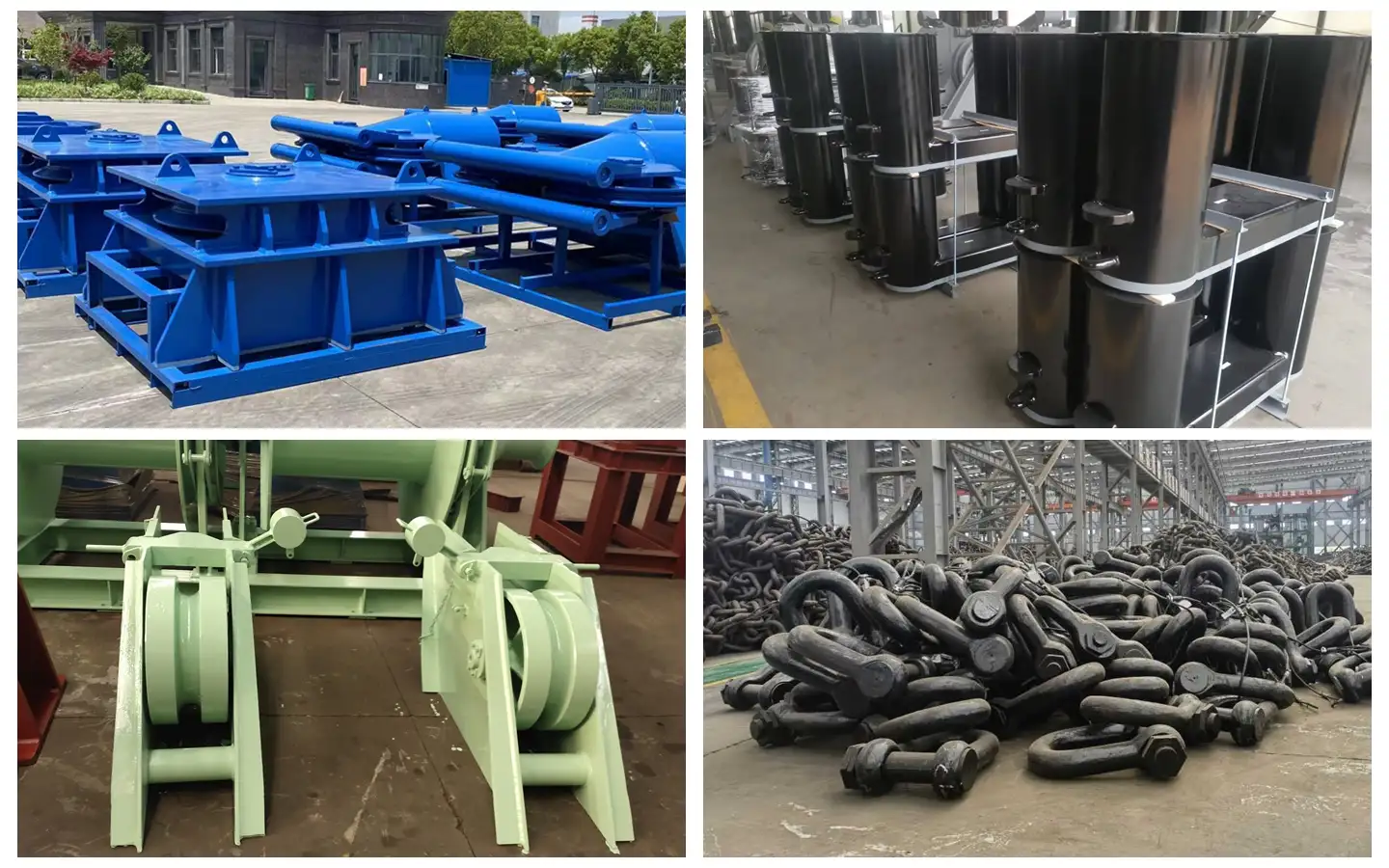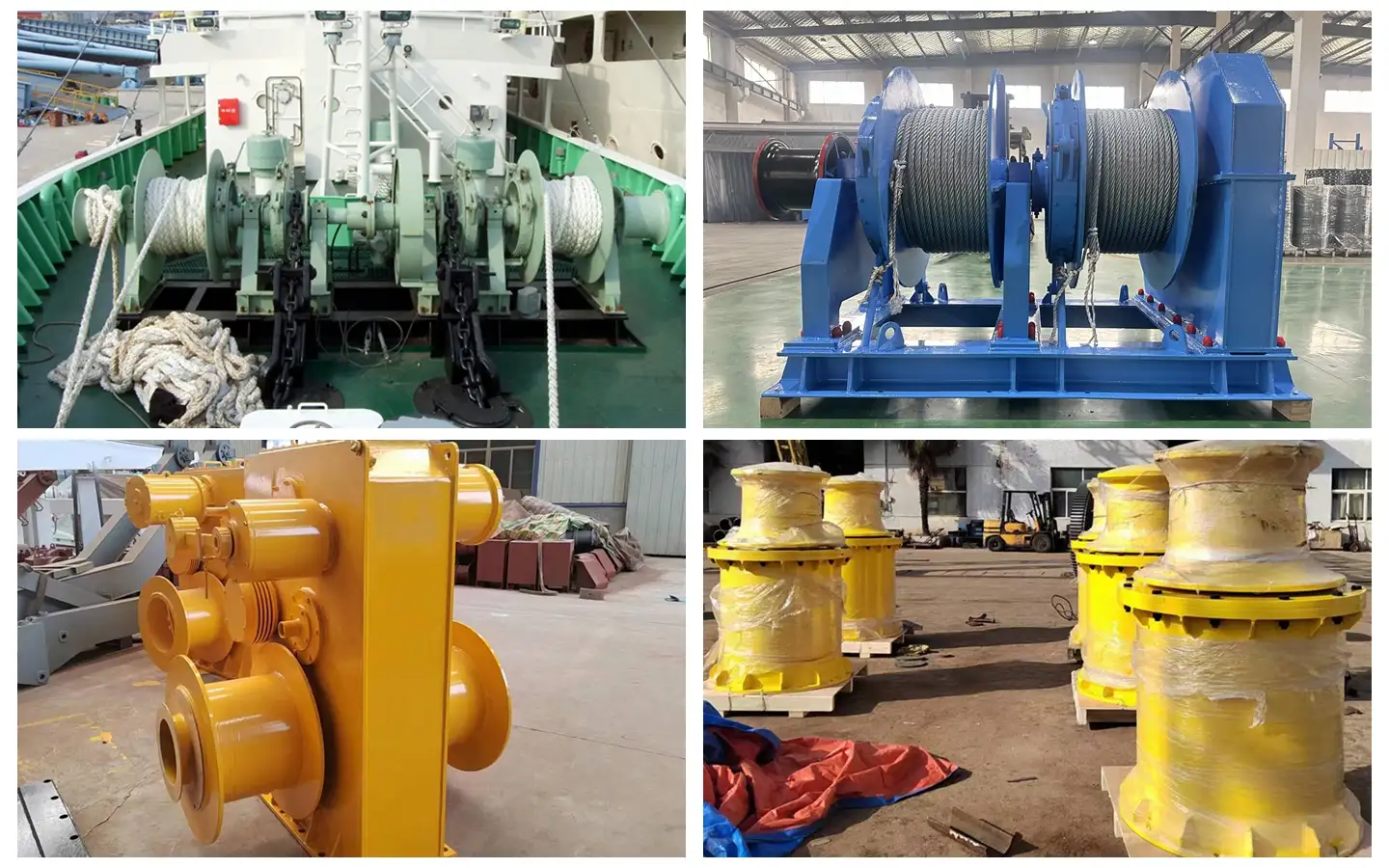
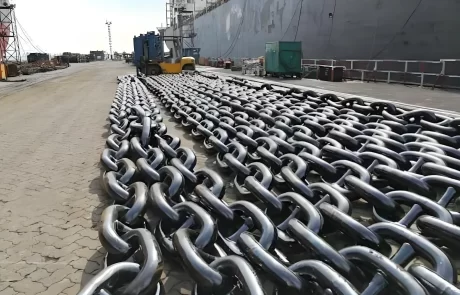
An anchor chain is more than a connection between the anchor and the vessel. It plays a critical role in maintaining holding power, absorbing dynamic loads and ensuring safe anchoring in changing sea conditions.
Choosing the correct chain involves more than matching its size to the anchor. Chain grade, diameter, working environment and compatibility with the anchoring system all influence long-term performance.
This guide outlines the key factors to consider when selecting an anchor chain for commercial and offshore applications.
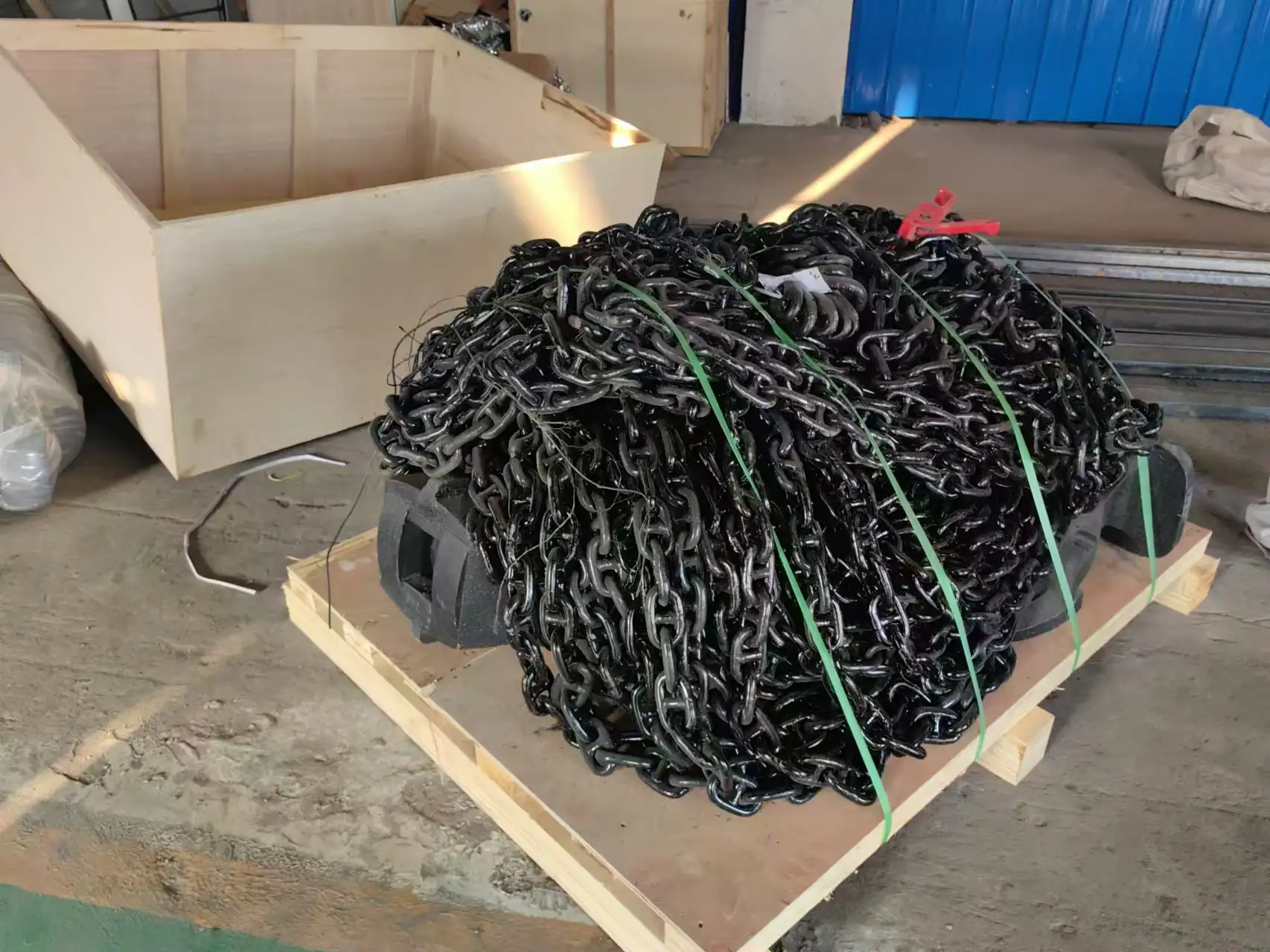
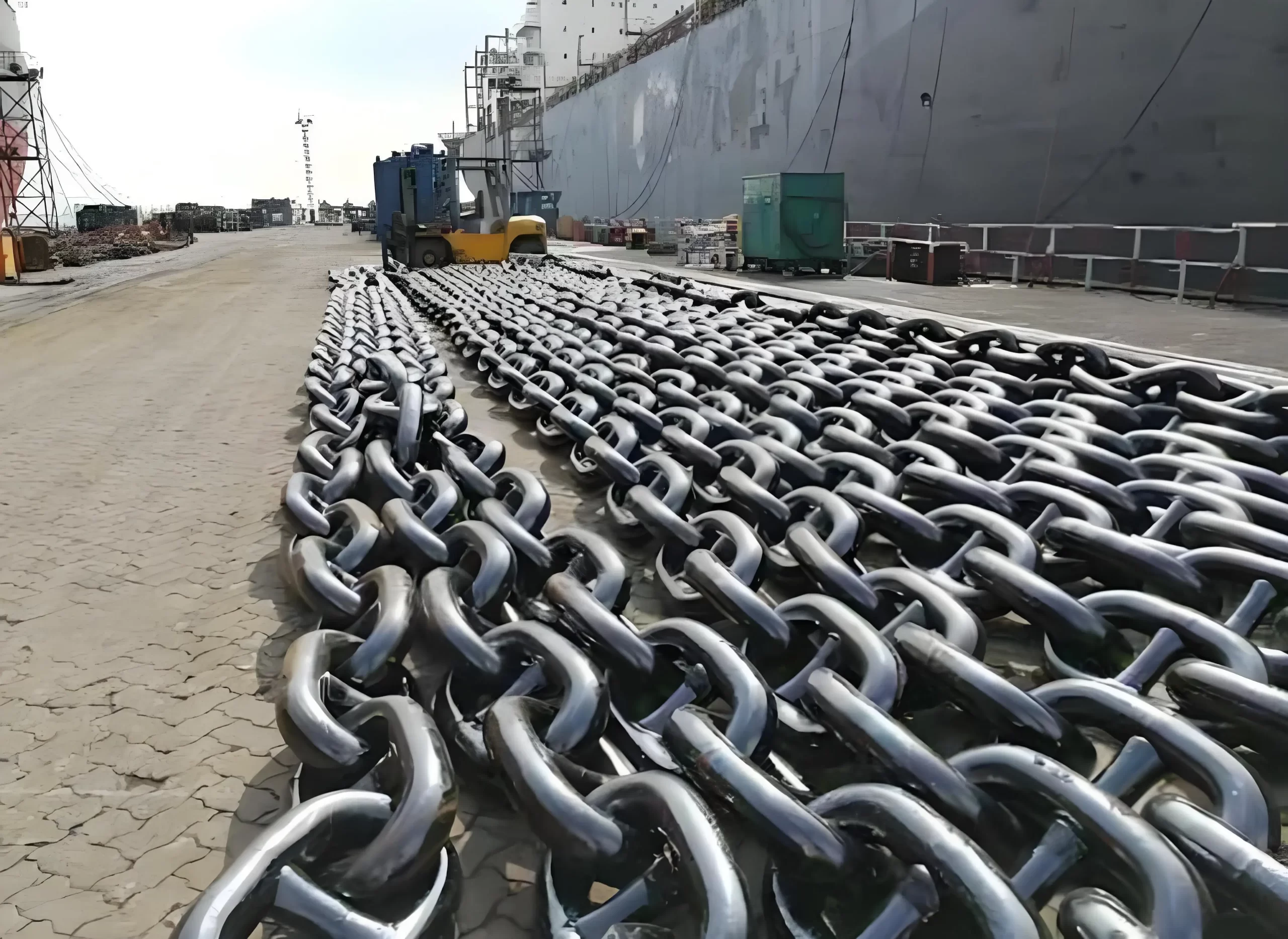
Why Anchor Chain Selection Matters
A properly selected anchor chain helps the anchor set effectively and keeps the vessel stable during anchoring.
An unsuitable chain may increase wear on the anchor winch, reduce holding performance, or shorten the service life of the entire anchoring system.
When the anchor, chain and winch are designed to work together, daily operations become smoother and maintenance requirements are easier to manage.
Choose the Correct Chain Grade
Anchor chains are available in different strength grades to suit various vessel sizes and operating conditions. Higher-grade chains offer greater strength while allowing a smaller diameter for the same working load. Common marine chain grades include:
- Grade 2 (U2)
- Grade 3 (U3)
- High-strength chain for specialized offshore applications
The appropriate grade should always match the vessel’s design requirements and applicable classification rules.
Select the Right Chain Diameter
Chain diameter affects both strength and compatibility.
When determining the correct diameter, consider:
- Vessel displacement
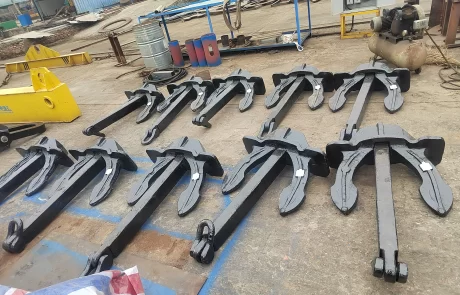
- Anchor weight
- Design mooring load
- Wind and current conditions
- Winch wildcat dimensions
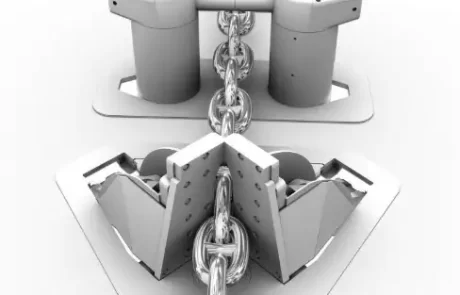
The chain should fit the wildcat precisely to ensure smooth deployment and retrieval.
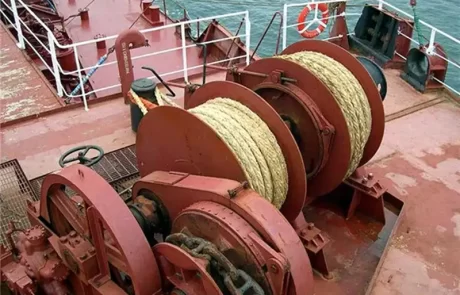
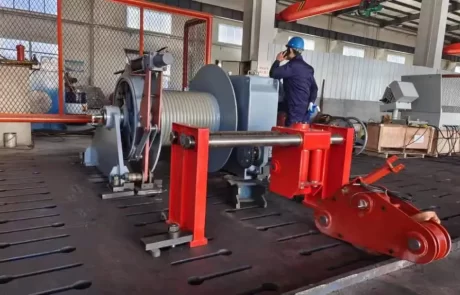
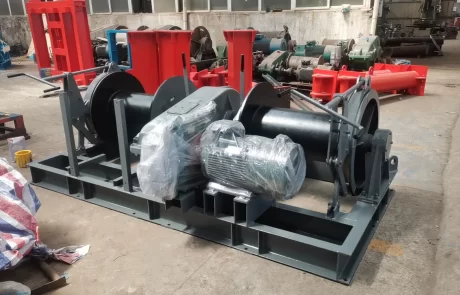
Consider the Operating Environment
The service environment has a direct impact on anchor chain performance.
Factors to evaluate include:
- Saltwater exposure
- Water depth
- Seabed conditions
- Frequency of anchoring
- Climate and temperature
Selecting a chain designed for the intended environment helps improve durability and reduce long-term maintenance.
Inspect the Chain Before Installation
Even a new anchor chain should be inspected before entering service.
Check for:
- Uniform link dimensions
- Surface defects
- Protective coating condition
- Proper markings
- Smooth articulation between links
A careful inspection helps identify potential issues before the chain is installed.
Common Mistakes When Selecting an Anchor Chain
Several mistakes can affect the performance of the anchoring system.
- Selecting the chain based only on price.
- Choosing a chain grade without considering the vessel’s requirements.
- Ignoring compatibility with the anchor winch.
- Mixing chains with different specifications during replacement.
- Delaying inspections after long periods of service.
Careful planning at the selection stage can prevent unnecessary maintenance and improve operational safety.
Routine Maintenance Tips
Regular maintenance helps maximize the service life of an anchor chain.
Good practices include:
- Rinsing away accumulated salt deposits.
- Lubricating moving components where appropriate.
- Checking for corrosion after extended use.
- Measuring wear at regular intervals.
- Recording inspection results for future reference.
Consistent maintenance not only extends chain life but also supports the reliable operation of the entire anchoring system.
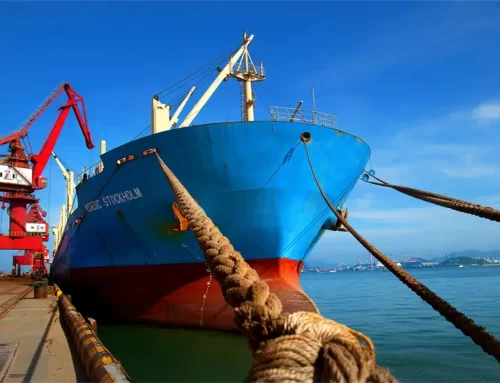
How does a mooring system work?
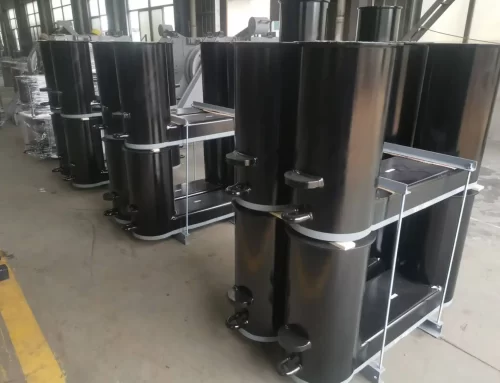
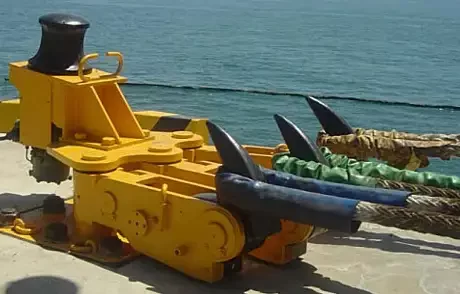
A marine fairlead helps guide the mooring line and reduces abrasion.
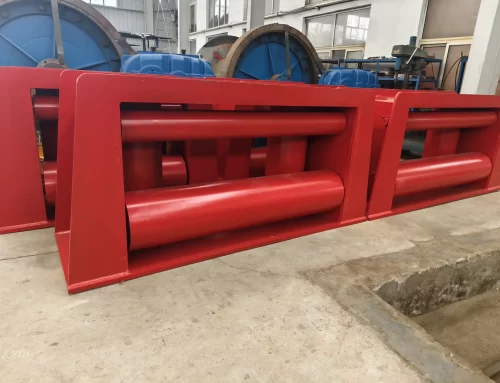
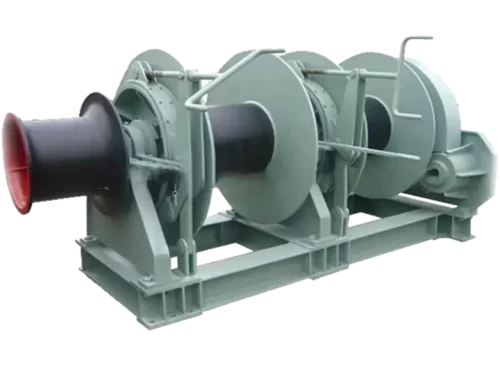
A mooring winch maintains proper line tension during changing tides.
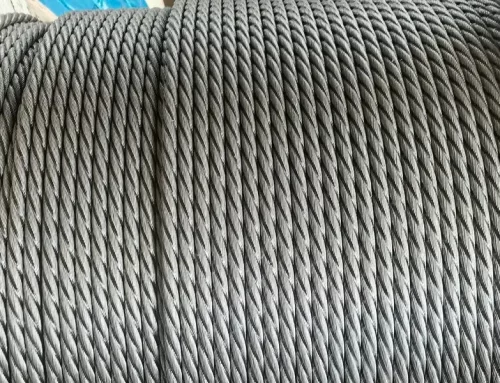
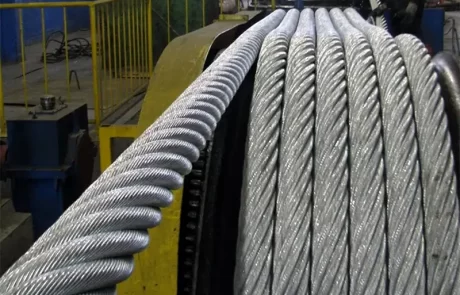
A synthetic fiber rope or wire rope should be selected according to the working load and operating conditions.
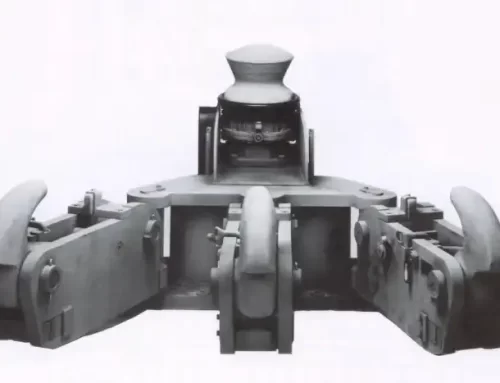
In high-traffic terminals, quick-release hooks improve safety and speed during berthing operations.
When these components work together, the entire mooring system becomes more efficient, reliable, and easier to maintain.
Selecting the right anchor chain is an important step in building a dependable anchoring system. Chain grade, diameter, environmental conditions, and compatibility with the anchor and winch should all be evaluated together rather than individually.
With proper selection, routine inspection and regular maintenance, a quality anchor chain can provide reliable performance and contribute to safer marine operations for many years.
FAQ
How do I choose the correct anchor chain?
Consider the vessel size, anchor weight, chain grade, diameter, and compatibility with the anchor winch before making a selection.
What is the difference between Grade 2 and Grade 3 anchor chain?
Grade 3 chains provide higher strength than Grade 2 chains and are commonly used on larger commercial vessels or applications requiring greater load capacity.
How often should an anchor chain be inspected?
Routine visual inspections should be carried out regularly, with more detailed examinations scheduled according to operating conditions and classification requirements.
Can I replace only part of an anchor chain?
Partial replacement is possible in some cases, but the new section should match the existing chain in grade, size, and specification to ensure safe operation.