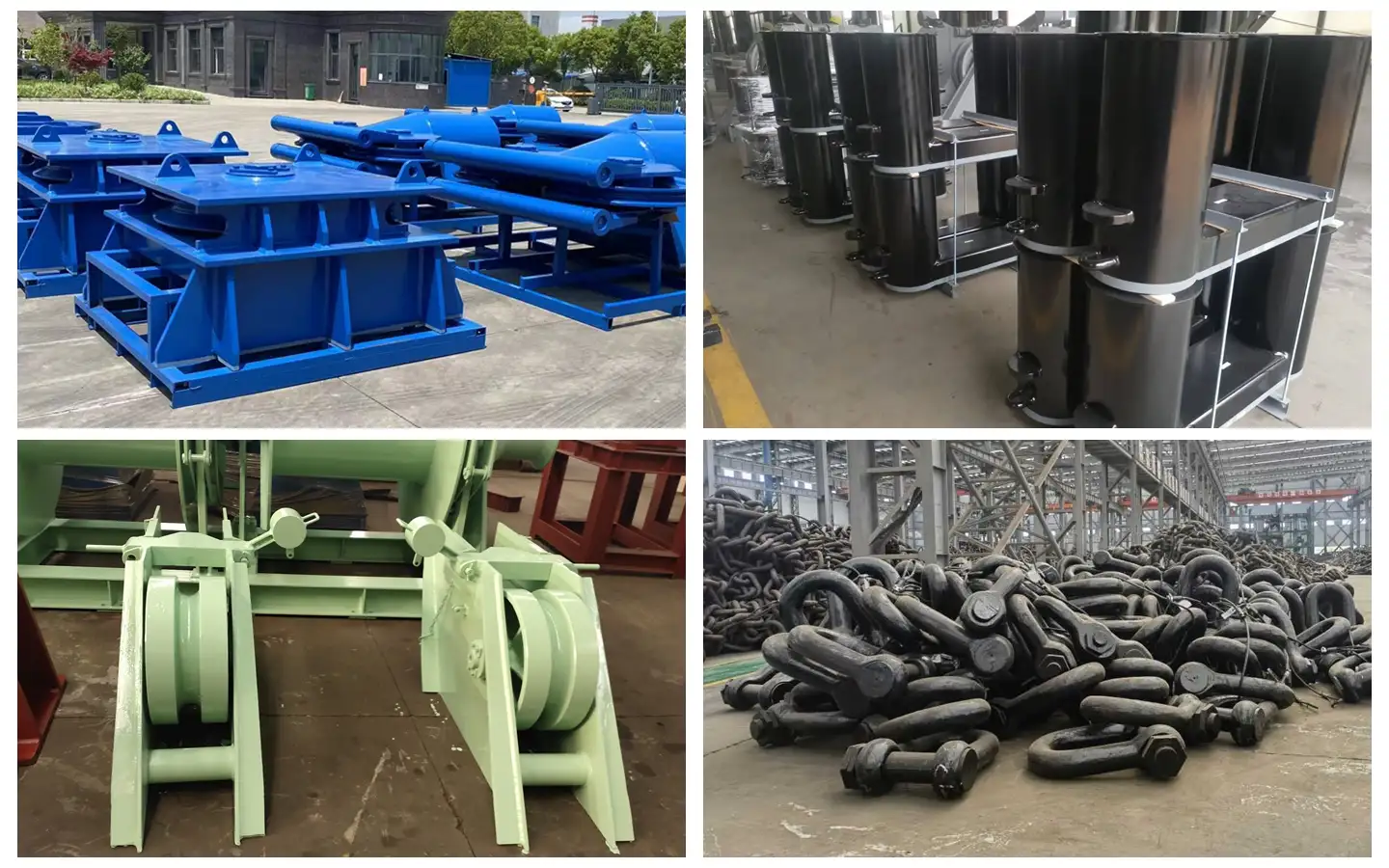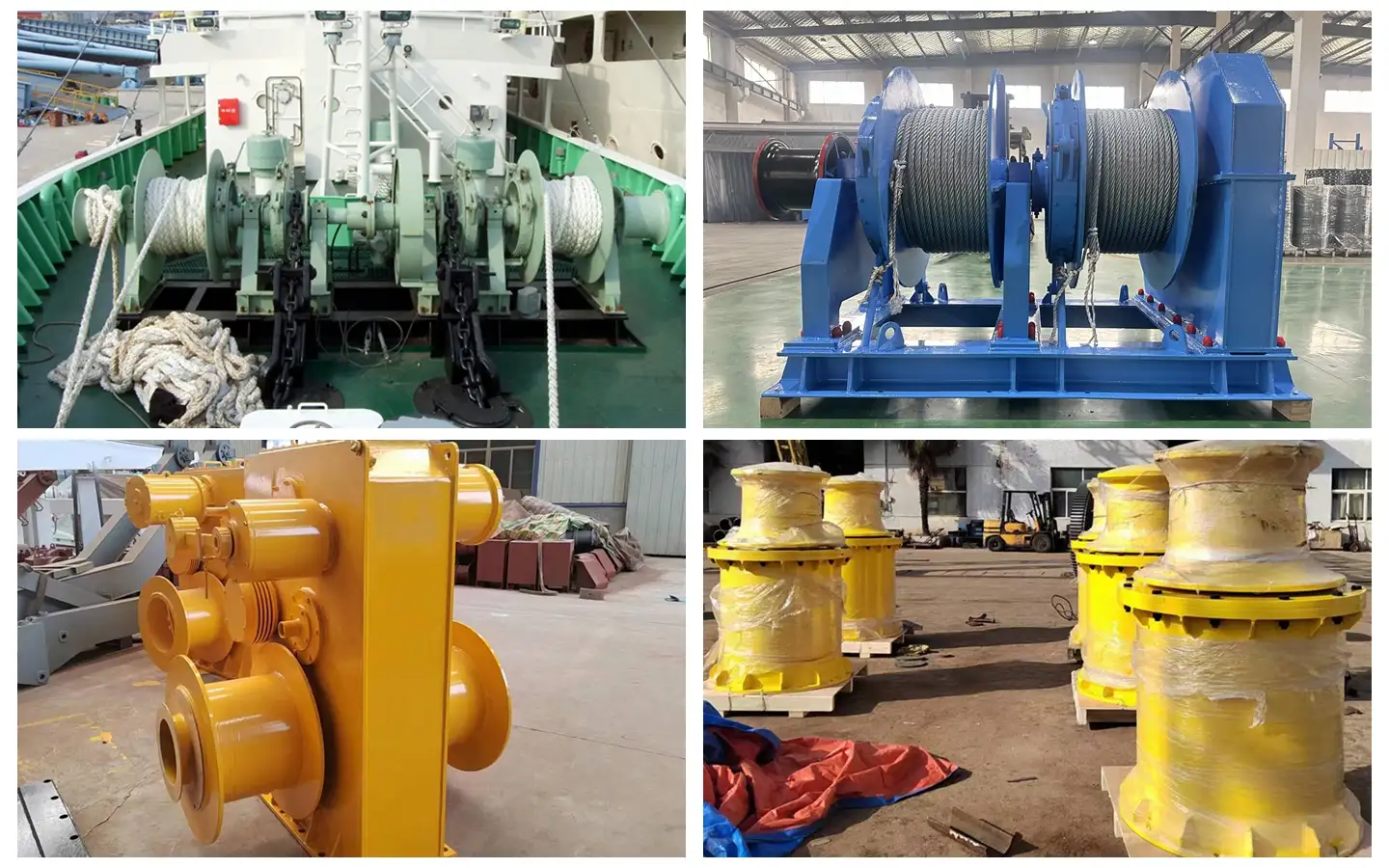
Marine anchors are one of the most important pieces of equipment on any vessel. They provide the holding force needed to keep a ship in position while anchored, helping ensure safety during loading, waiting, or adverse weather conditions.
Although all anchors perform the same basic function, different designs are better suited to different seabed conditions, vessel types and operating environments.
This guide introduces the most common types of marine anchors and explains where each one is typically used.
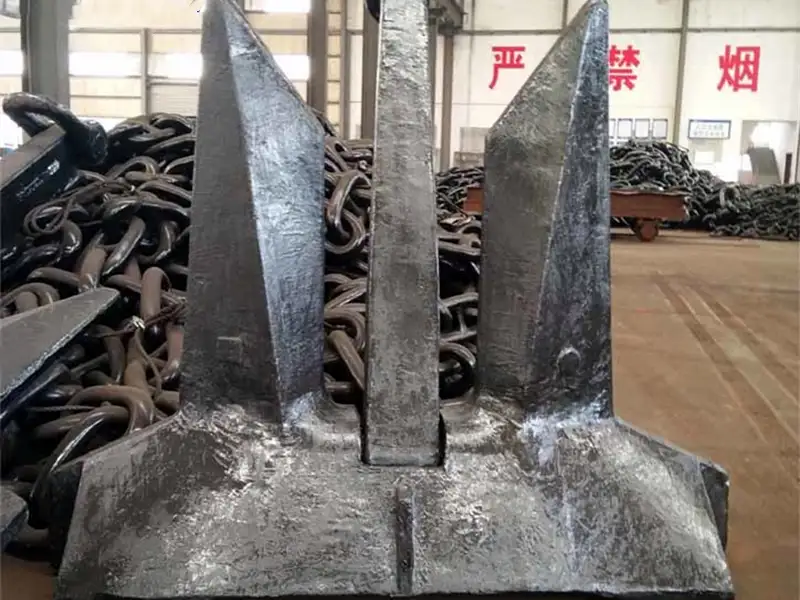
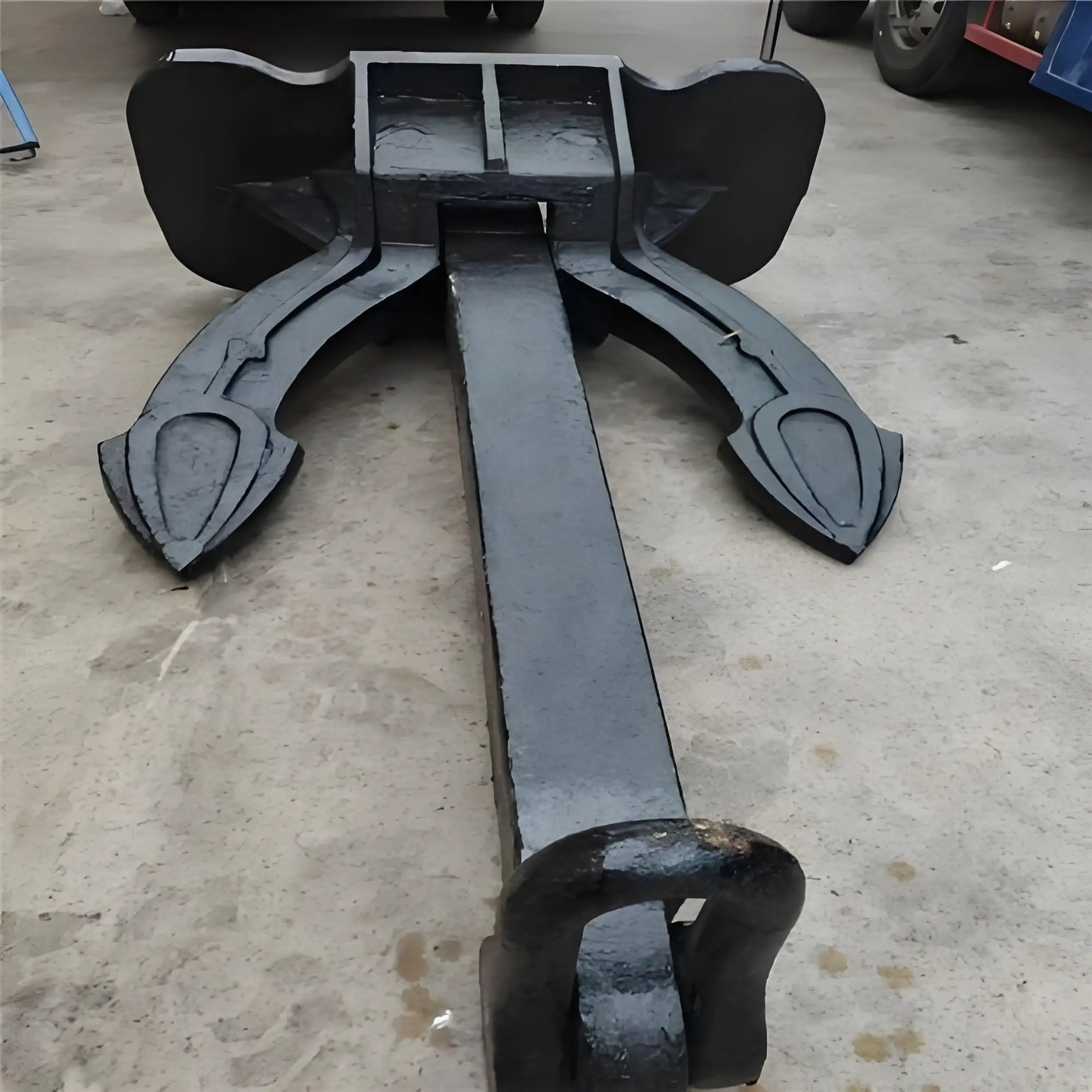
Why Are Different Anchor Types Needed?
No single anchor performs well in every situation.
Factors such as seabed composition, vessel size, and operating conditions all influence anchor performance.
For example, an anchor that performs well in soft mud may not be the best choice for rocky seabeds. Likewise, offshore vessels often require different anchor designs than fishing boats or cargo ships.
Selecting the appropriate anchor improves holding performance and helps reduce the risk of dragging.
Stockless Anchor
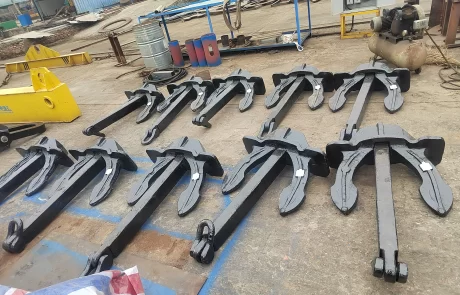
The stockless anchor is one of the most widely used anchors on commercial ships.Its compact design allows it to fit neatly inside the hawse pipe, making deployment and recovery straightforward.
Typical Applications
- Cargo vessels
- Bulk carriers
- Container ships
- Tankers
Hall Anchor
The Hall anchor has been widely used in commercial shipping for many years.
It offers reliable holding power on sand and mud seabeds while remaining easy to operate with an anchor winch.
Many medium and large vessels continue to use this proven design.
AC-14 High Holding Power Anchor
The AC-14 anchor is designed to provide significantly greater holding capacity than conventional stockless anchors. Its high holding efficiency allows a lighter anchor to achieve similar performance, making it popular for modern commercial vessels and offshore applications.
Advantages
- High holding power
- Good penetration
- Reduced anchor weight
- Reliable performance
Spek Anchor
The Spek anchor is another high-holding-power anchor commonly used on merchant ships.
Its reinforced construction improves durability while maintaining excellent holding performance on a variety of seabeds.
It is often selected for vessels operating under demanding marine conditions.
Offshore Anchors
Offshore projects often require specialized anchors capable of supporting floating platforms and long-term mooring systems.Common offshore anchor types include:
- Drag Embedment Anchors
- Vertical Load Anchors
- Suction Anchors
- Pile Anchors
The final selection depends on water depth, seabed conditions, and project requirements.
How to Choose the Right Marine Anchor
Before selecting an anchor, consider the following:
Vessel Type: Different vessels require different anchor capacities and designs.
Seabed Conditions: Mud, sand, gravel, and rock all affect holding performance.
Holding Power: Choose an anchor with sufficient holding capacity for the vessel and expected environmental conditions.
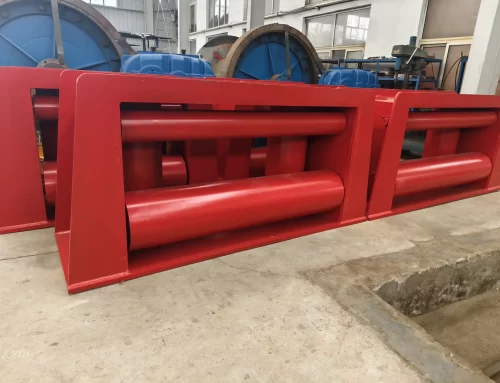
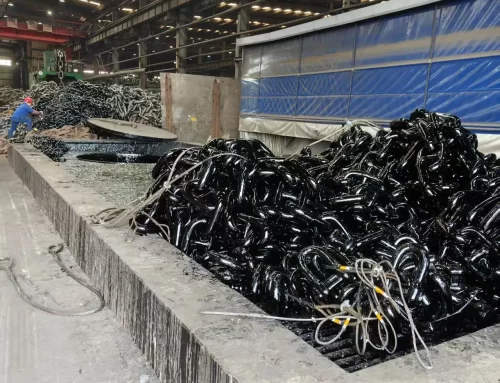
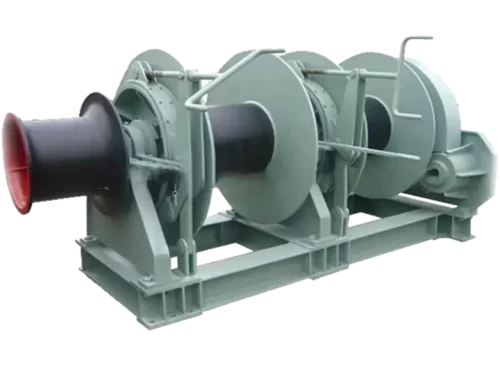
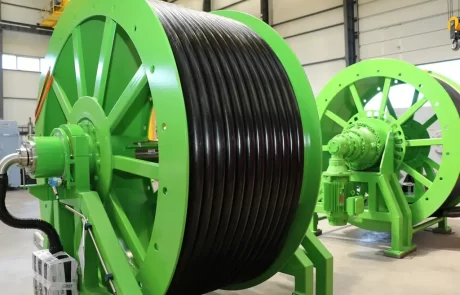
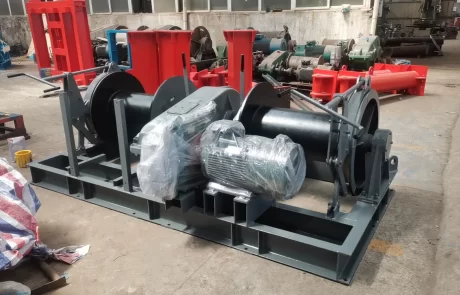
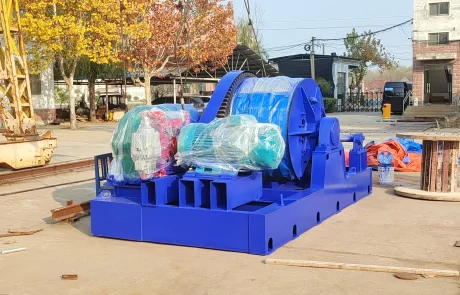
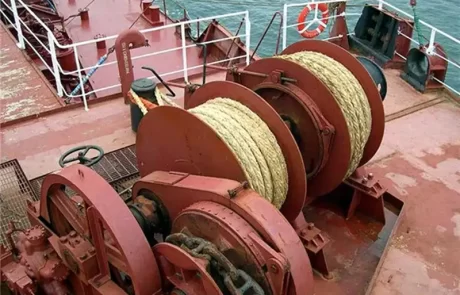
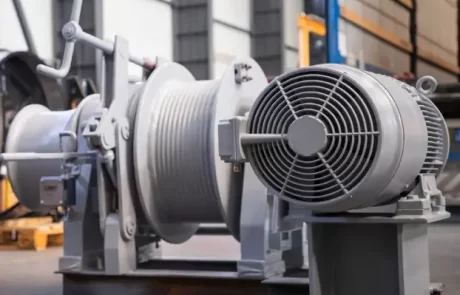
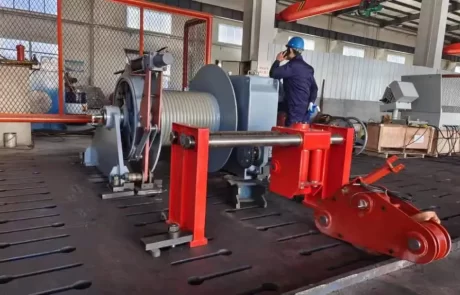
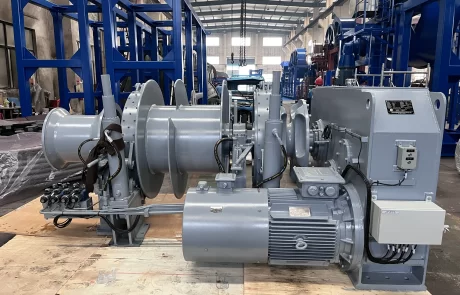
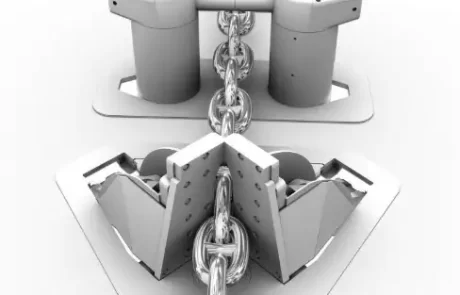
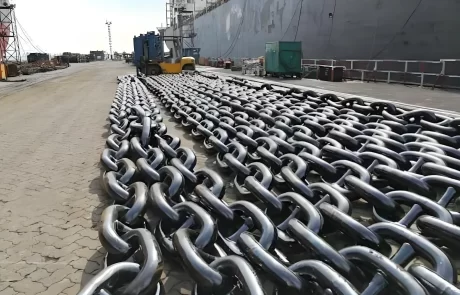
Compatibility: Ensure the anchor matches the anchor chain, chain stopper, and anchor winch.
Common Mistakes When Selecting Marine Anchors
Several common mistakes can reduce anchoring performance.
- Selecting an anchor based only on weight.
- Ignoring seabed conditions.
- Choosing an incompatible anchor chain.
- Using an undersized anchor for the vessel.
- Failing to inspect the anchor regularly for wear or damage.
Understanding the complete anchoring system helps avoid these issues and improves long-term reliability.
A complete anchoring system always performs better than selecting individual components separately.
Marine anchors come in many designs, each developed for specific operating conditions and vessel requirements.
Whether selecting a stockless anchor for a cargo ship or a high-holding-power anchor for offshore service, choosing the right type helps improve safety, holding performance and operational efficiency.
Working with a manufacturer that understands the complete anchoring system can simplify equipment selection and ensure compatibility between anchors, chains and winches.
FAQ
What is the most common marine anchor?
The stockless anchor is one of the most commonly used anchors on commercial vessels because of its compact design and reliable performance.
Which anchor provides the highest holding power?
High holding power anchors such as the AC-14 are designed to deliver greater holding efficiency than conventional stockless anchors.
Can one anchor be used on every vessel?
No. The most suitable anchor depends on vessel size, operating conditions and seabed type.
Why is anchor compatibility important?
The anchor, chain and winch should be matched to work together safely and efficiently as one anchoring system.