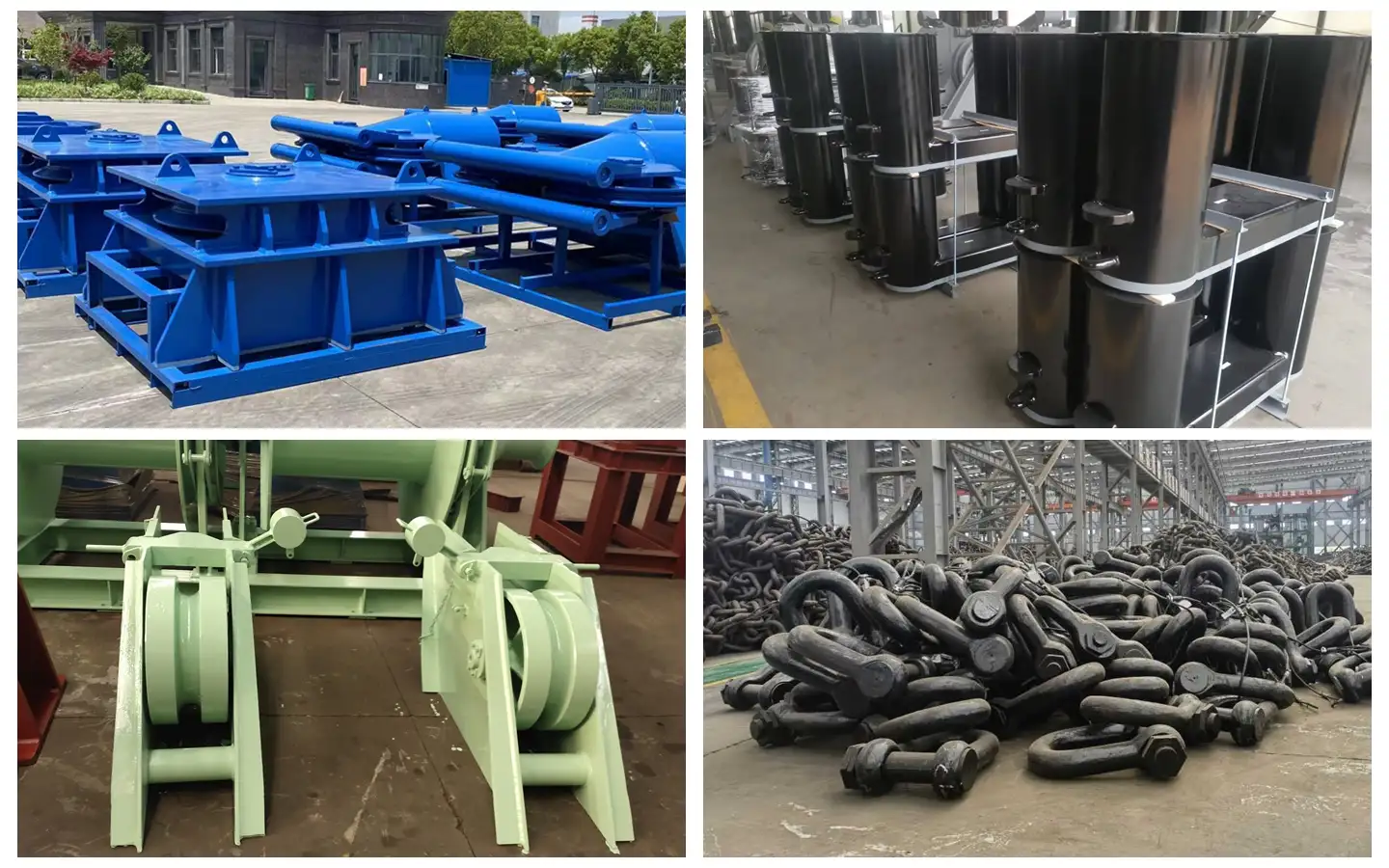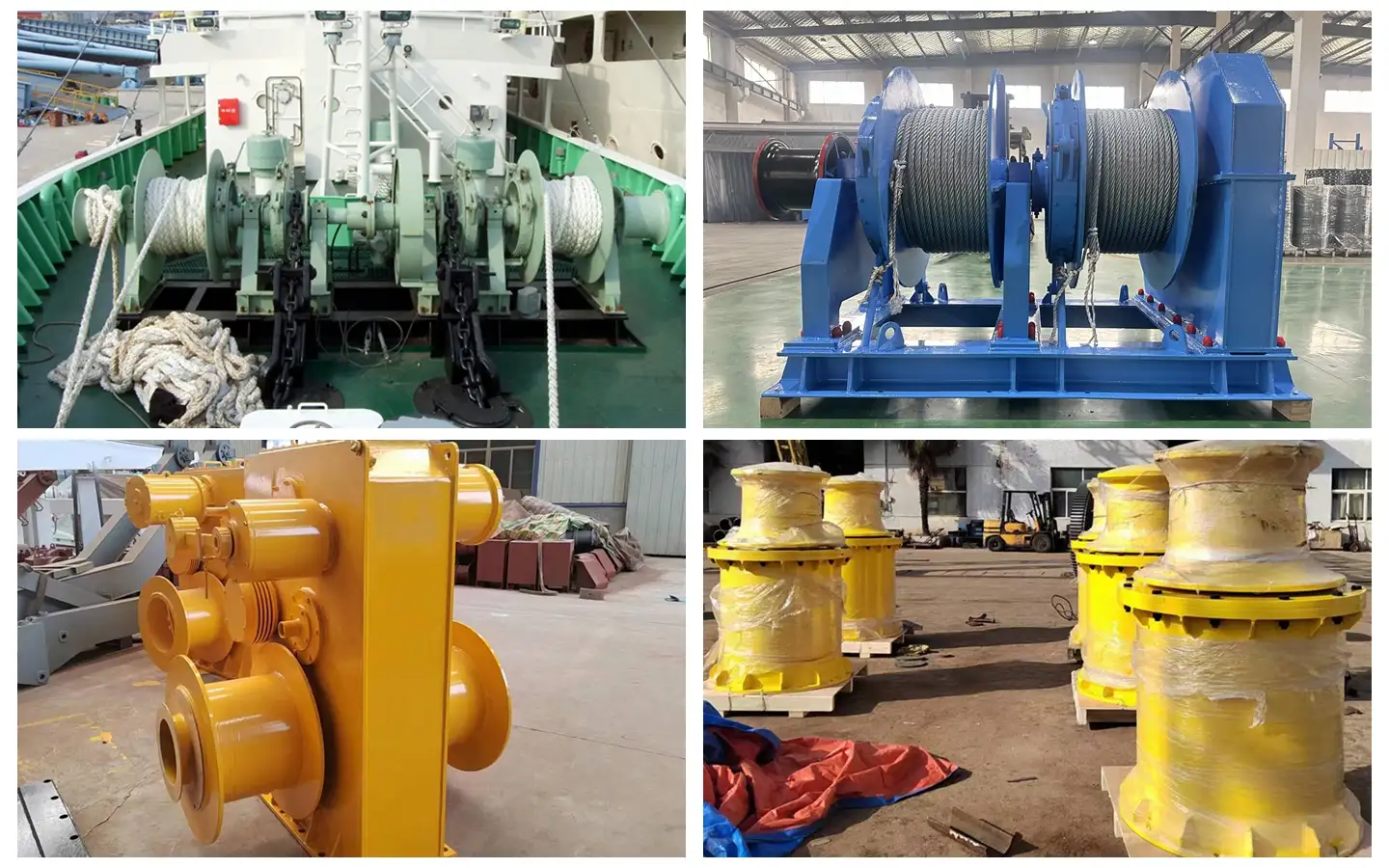
Afairlead may appear to be a simple piece of deck equipment, but it plays an important role in protecting mooring lines and ensuring smooth line handling. By guiding ropes or wire ropes along the correct path, a fairlead helps reduce friction, minimize wear, and improve the overall efficiency of a mooring system.
Different fairlead designs are intended for different working conditions. Understanding their features makes it easier to select equipment that matches the vessel, berth and expected line loads.
Why Fairlead Selection Matters
Every time a mooring line changes direction, friction is created. Without proper guidance, excessive rubbing can shorten rope life, increase maintenance costs, and make line handling more difficult.A suitable fairlead helps:
- Guide the mooring line safely
- Reduce rope abrasion
- Minimize side loads
- Improve line handling
- Extend the service life of ropes and related equipment
Selecting the right design is an important part of building an efficient mooring system.
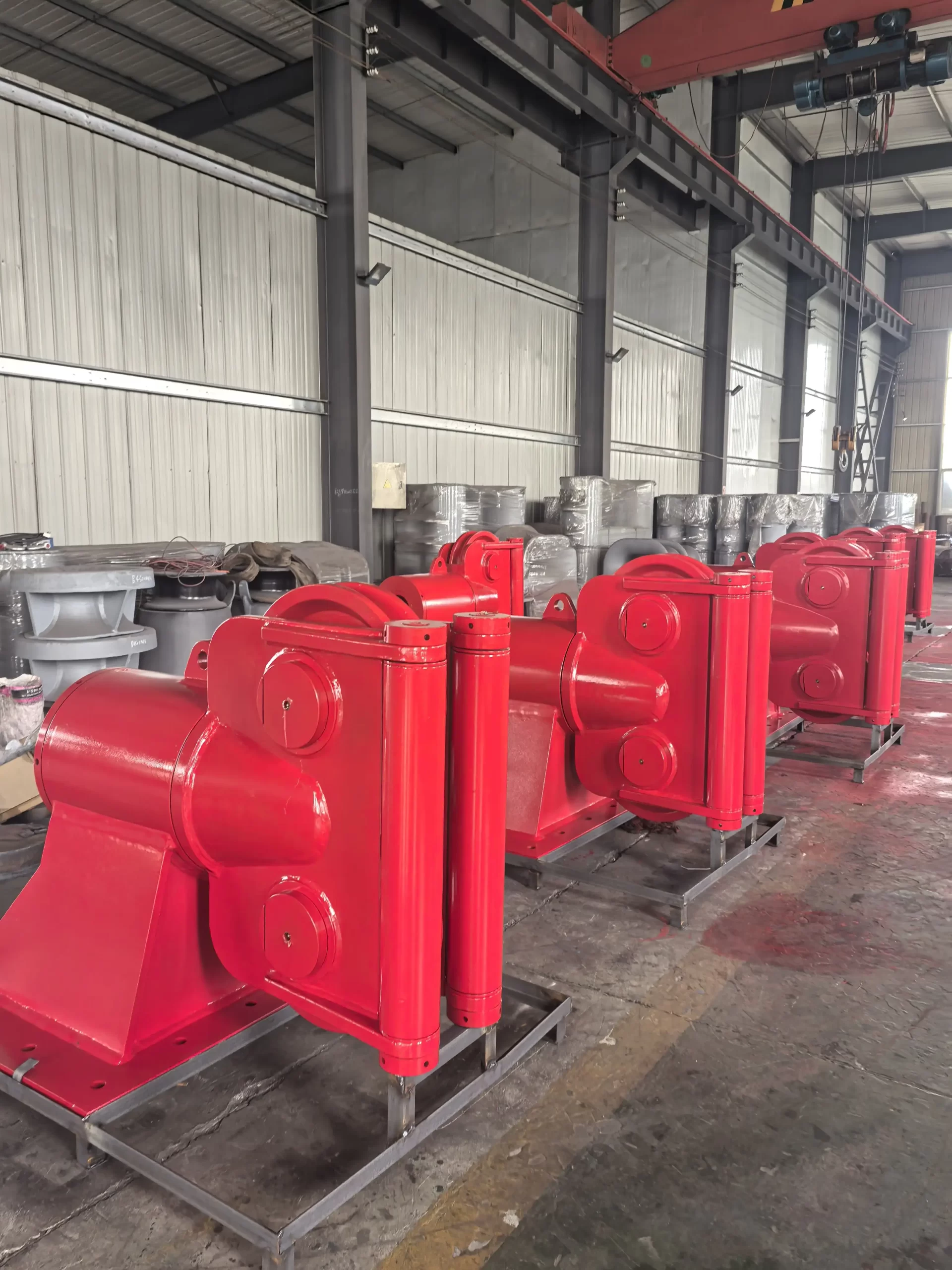
Roller Fairlead
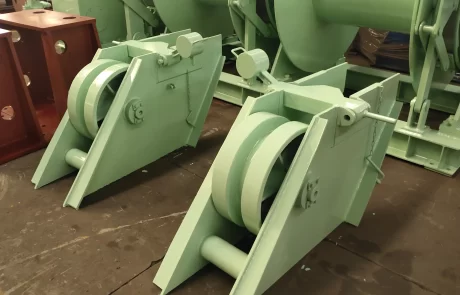
Roller fairleads use rotating rollers to guide the mooring line while reducing friction.
They are commonly installed on:
- Commercial vessels
- Tugboats
- Offshore support vessels
- Port terminals
Because the rollers rotate as the rope moves, this design is well suited to applications where lines are adjusted frequently.
Panama Fairlead
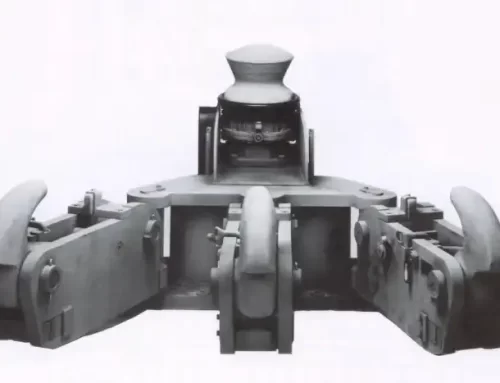
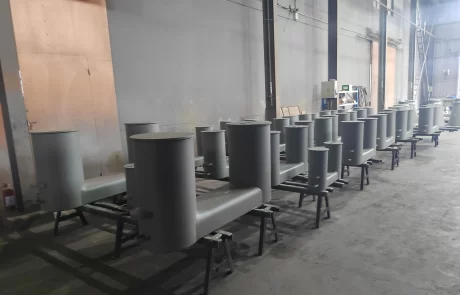
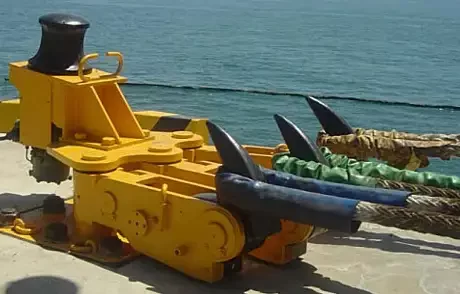
Panama fairleads are designed to guide mooring lines through the ship’s bulwark while protecting both the rope and the vessel’s structure.
Their enclosed design makes them a common choice for:
- Container ships
- Bulk carriers
- Tankers
- General cargo vessels
They are especially useful where deck space is limited and line routing needs to remain controlled.
Closed Fairlead
A closed fairlead surrounds the mooring line, helping prevent it from jumping out during operation.
This type is often selected for vessels operating in rough sea conditions where line stability is particularly important.
Universal Fairlead
Universal fairleads are designed to accommodate line movement from multiple directions.
They are suitable for installations where mooring angles vary and greater flexibility is required.
This design is commonly found in busy ports and offshore projects where vessels berth under different conditions.
Common Mistakes When Choosing a Fairlead
Fairlead selection is sometimes treated as a minor detail, but small mistakes can lead to unnecessary maintenance or reduced equipment life.Common issues include:
- Choosing a fairlead without checking rope diameter.
- Ignoring the expected lead angle.
- Using roller fairleads where fixed designs are more suitable.
- Overlooking corrosion protection in marine environments.
- Installing a fairlead without considering access for inspection and maintenance.
Careful planning during the design stage can prevent these problems and improve long-term reliability.
Fairleads as Part of a Complete Mooring System
A fairlead performs best when it is matched with the other components of the mooring arrangement.
For example:
- A marine bollard provides the final securing point for the mooring line.
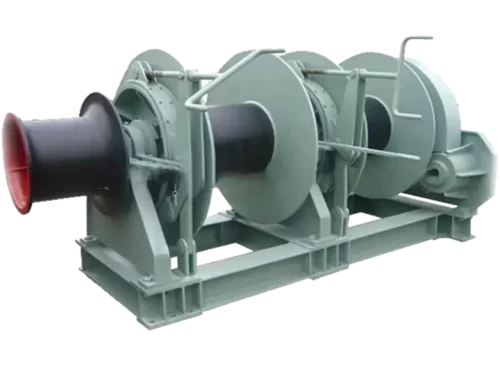
- A mooring winch controls line tension during berthing and departure.
- Synthetic fiber ropes require smooth surfaces to minimize abrasion.
- Quick-release hooks improve operational safety at terminals handling frequent vessel movements.
When these components are selected as a complete system, line handling becomes safer, smoother and more efficient.
Selecting the right fairlead involves more than choosing a particular shape or size. Rope type, line direction, working load and installation conditions all influence the best solution.
By understanding the characteristics of different fairlead types, shipowners, shipyards and port operators can improve rope life, reduce maintenance and achieve more reliable mooring operations.
FAQ
What is the purpose of a marine fairlead?
A marine fairlead guides mooring lines or wire ropes, helping reduce friction and protect both the rope and the vessel.
What is the difference between a roller fairlead and a Panama fairlead?
A roller fairlead uses rotating rollers to reduce friction during line movement, while a Panama fairlead is an enclosed guide designed to route mooring lines safely through the ship’s side.
Can fairleads be used with synthetic ropes?
Yes. Many fairleads are designed for use with synthetic fiber ropes, provided the rope diameter and working load are compatible with the equipment.
How often should a fairlead be inspected?
Fairleads should be inspected regularly for roller movement, surface wear, corrosion, and structural damage as part of routine mooring equipment maintenance.