Areliable mooring system keeps a vessel safely secured while it is alongside a berth, offshore platform or floating structure. Although the process may look simple, every component has a specific role. If one part fails or is poorly matched, the entire system can be affected.
This guide explains the main components of a marine mooring system and how they work together in everyday operations.
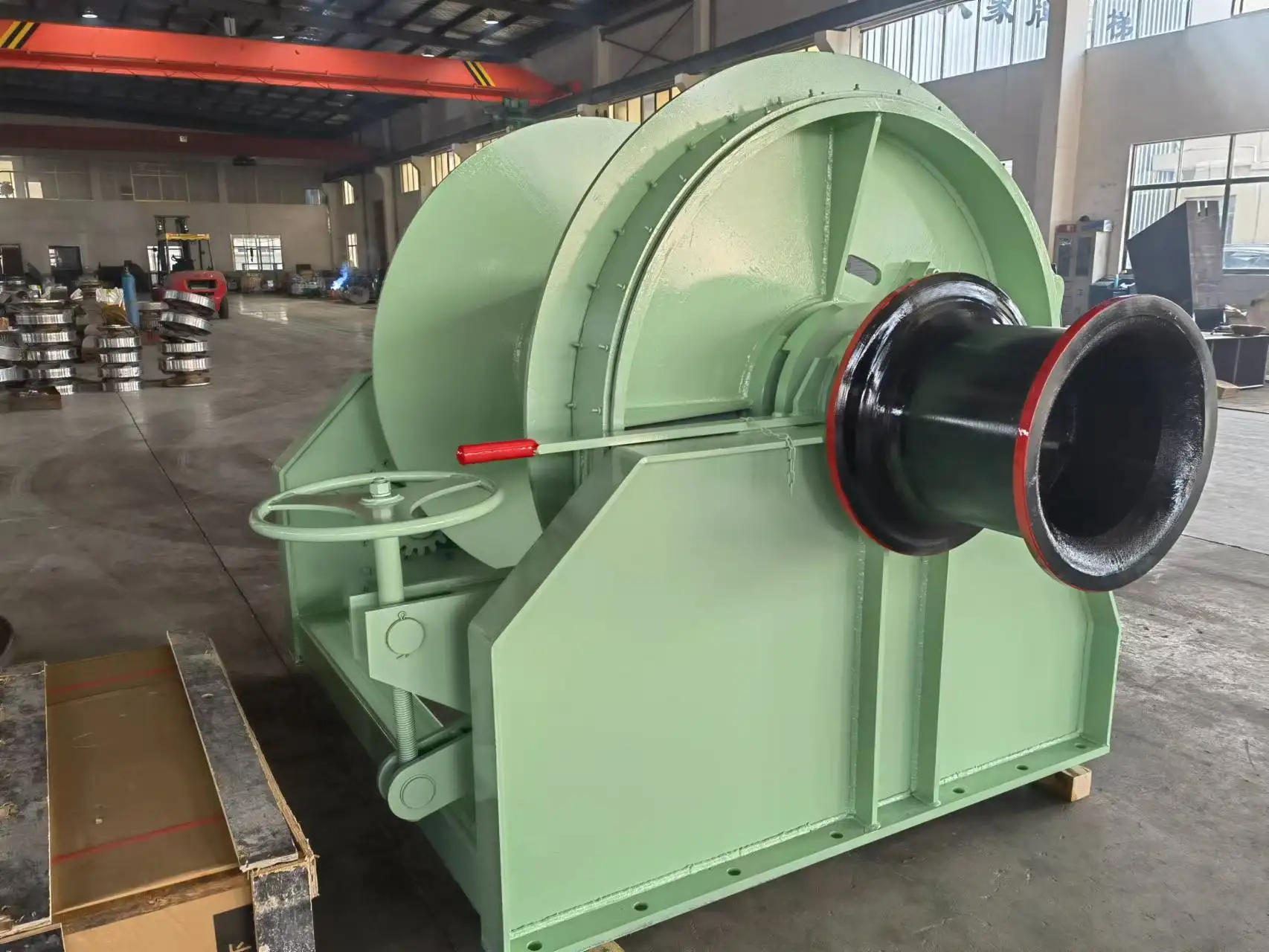
What Is a Mooring System?
A mooring system is a combination of equipment used to secure a vessel and control its movement when it is not underway.
A complete system is designed to withstand wind, waves, tides and changing loads while allowing safe operation for the crew.
Depending on the vessel and operating environment, the configuration may vary, but the basic components remain similar.
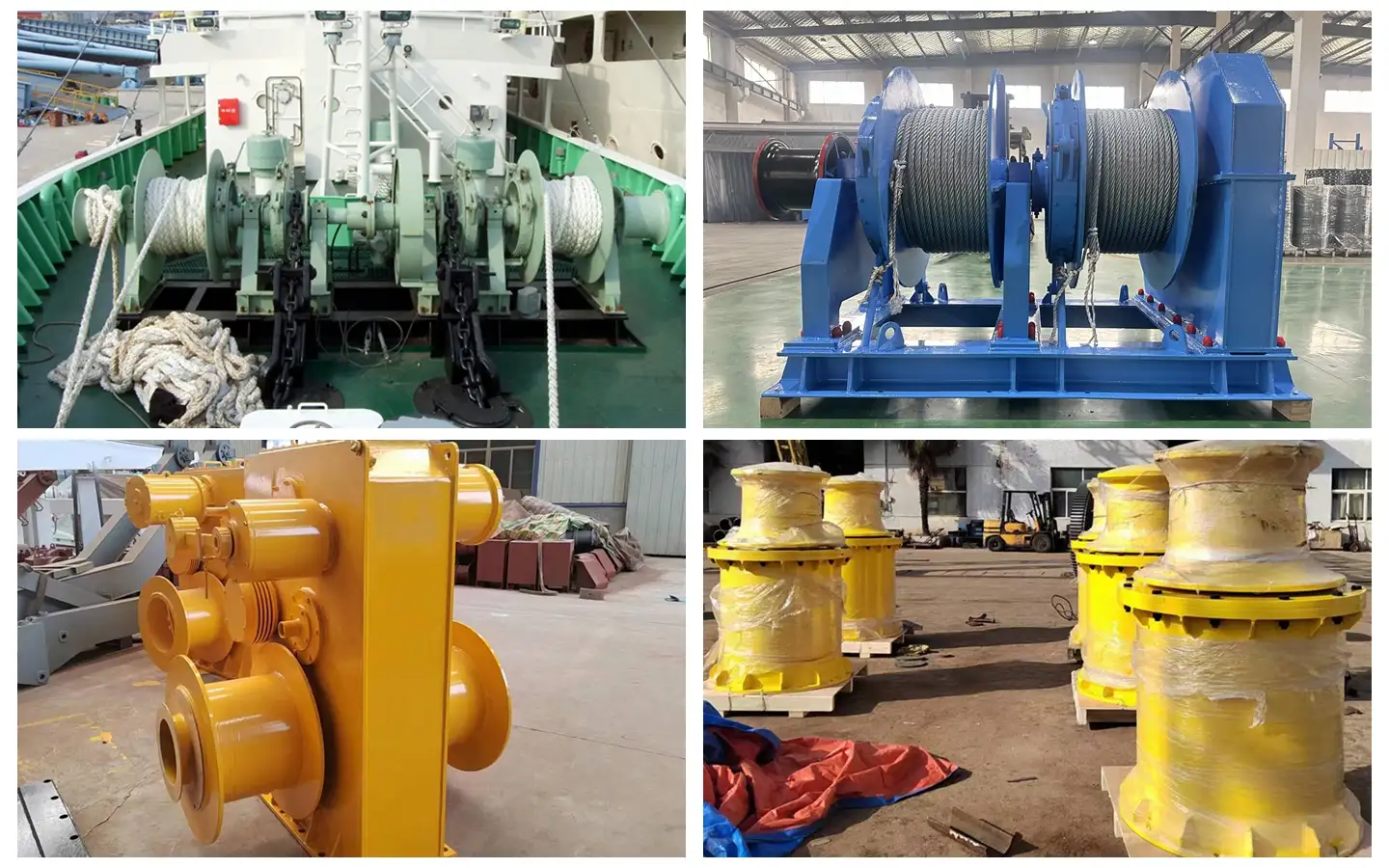
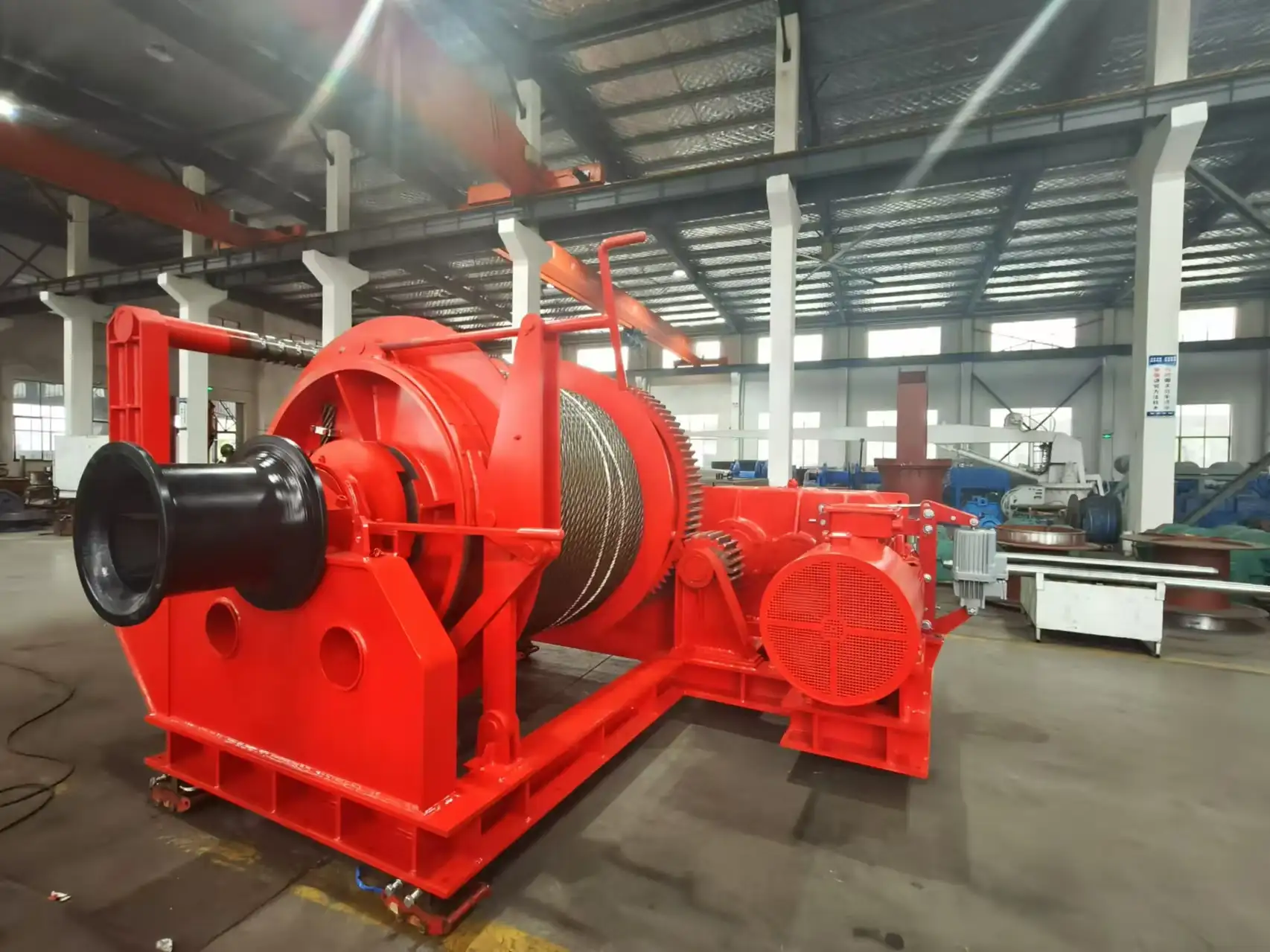
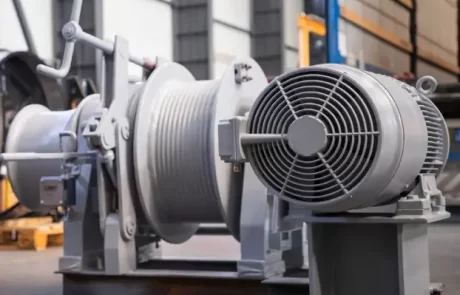
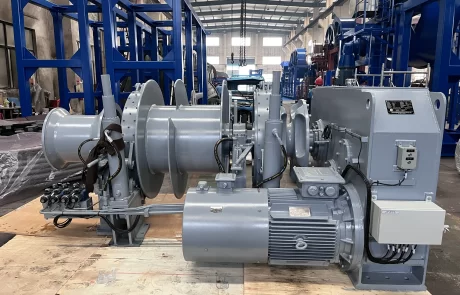
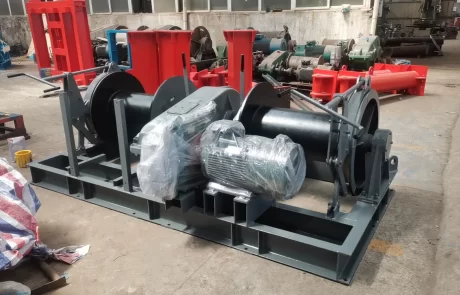
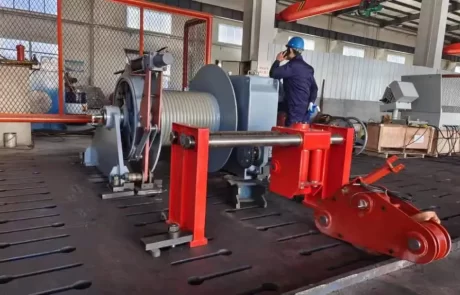
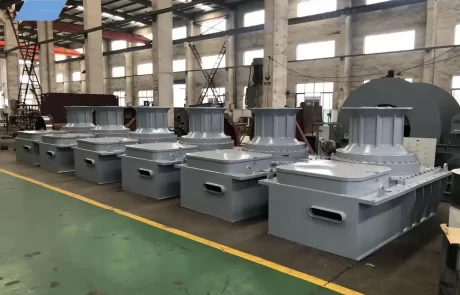
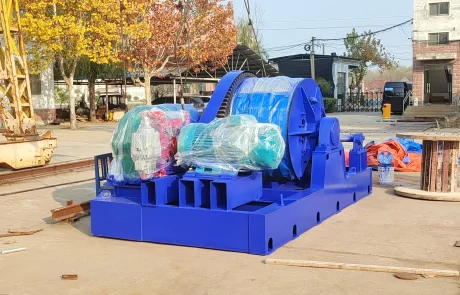
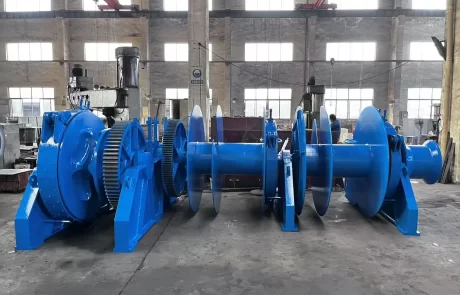
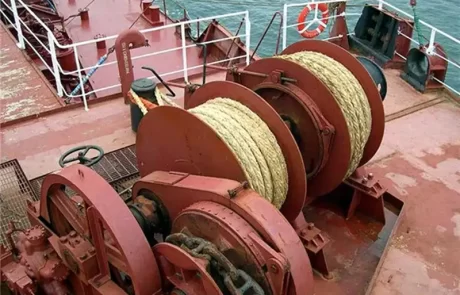
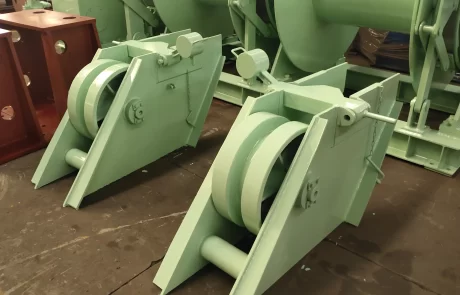
The mooring winch controls the mooring line during berthing and unberthing.
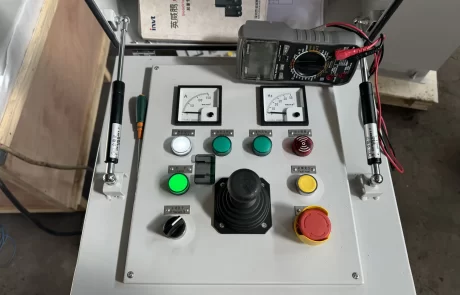
It allows the crew to tension or release the rope smoothly and safely. Some modern winches also include automatic tension control, helping maintain a constant line tension as water levels and vessel positions change.
A properly selected mooring winch improves operational efficiency and reduces manual work.
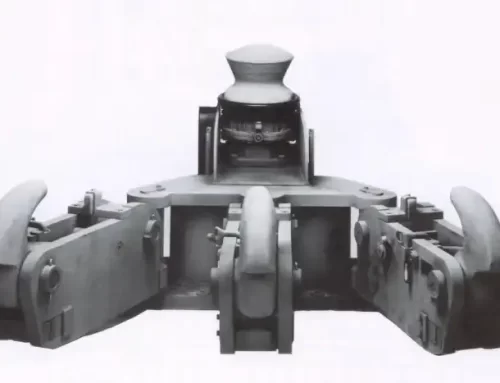
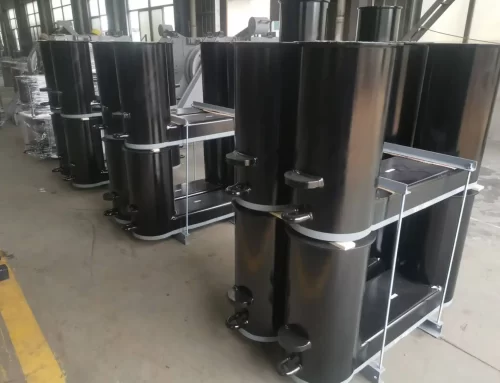
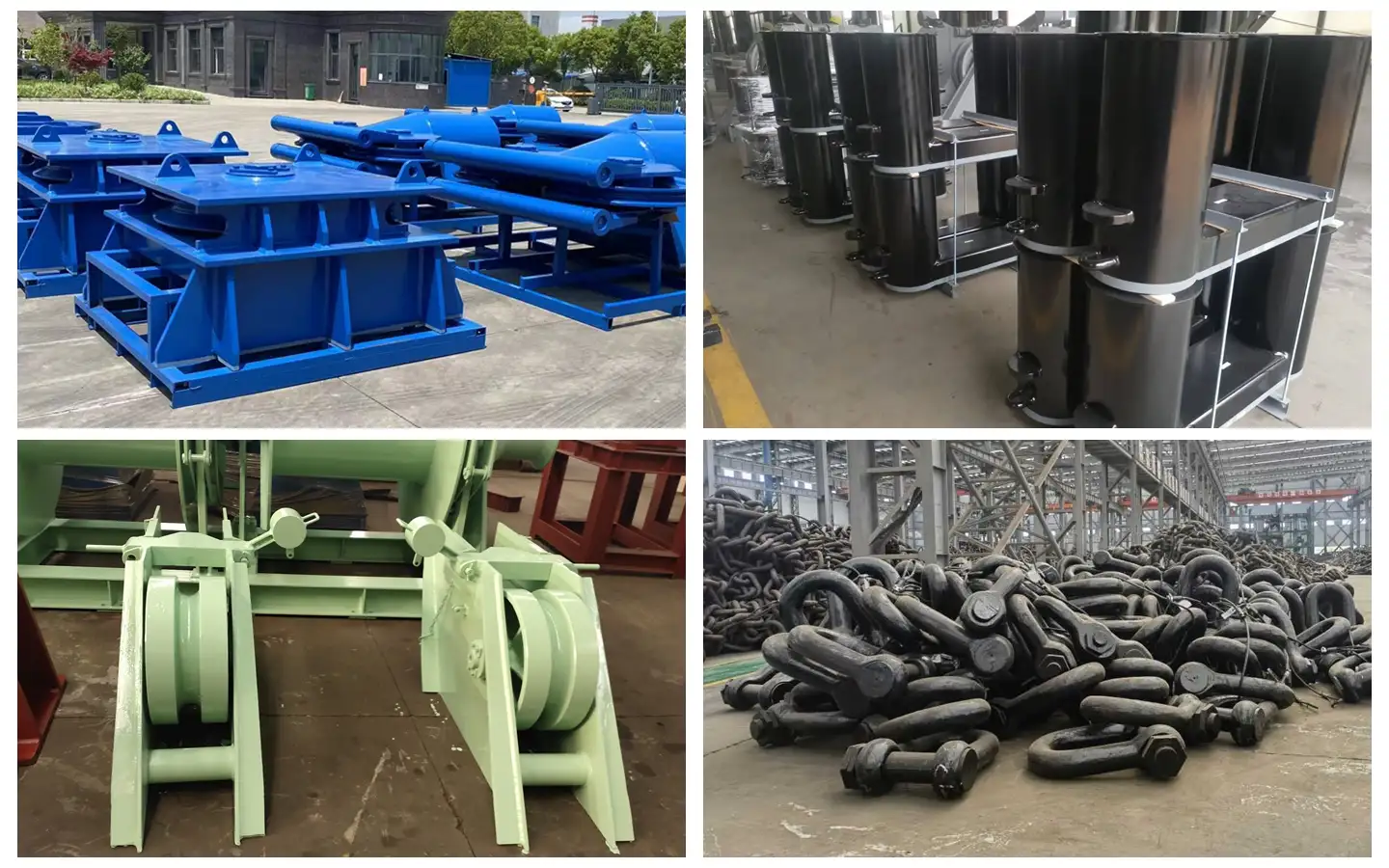
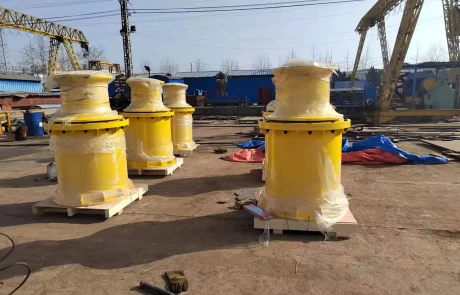
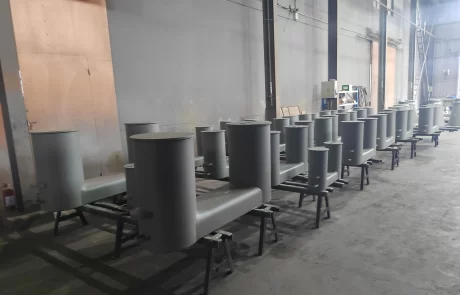
The bollard is the fixed point where the mooring line is secured.
Different bollard designs are suitable for different berth layouts and vessel sizes. The correct selection depends on the expected mooring load, installation location and applicable standards.
A well-designed bollard distributes the load evenly and provides a secure connection between the vessel and the dock.
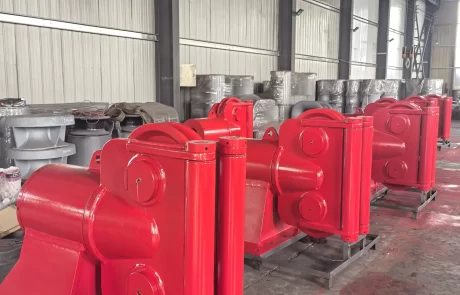
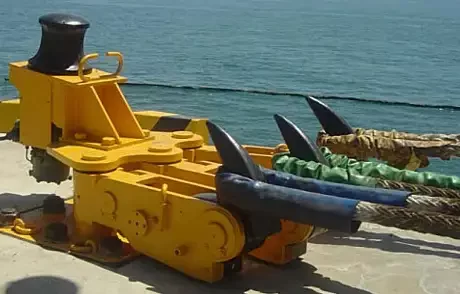
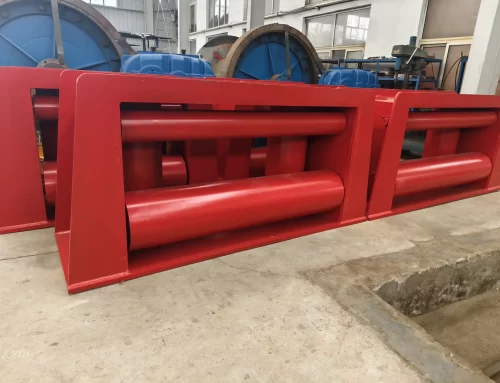
A fairlead guides the mooring line and prevents excessive bending or rubbing against the ship’s structure.
By maintaining the correct lead angle, the fairlead reduces rope wear and helps extend the service life of both synthetic ropes and steel wire ropes.
Roller fairleads are commonly used where frequent line movement is expected.
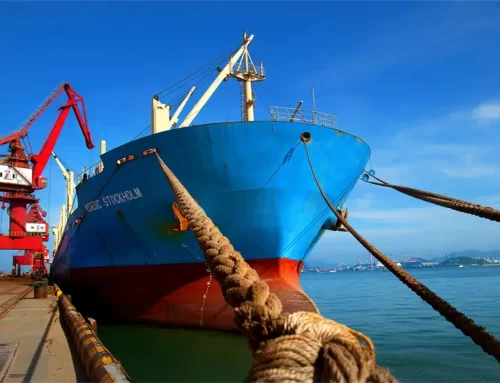
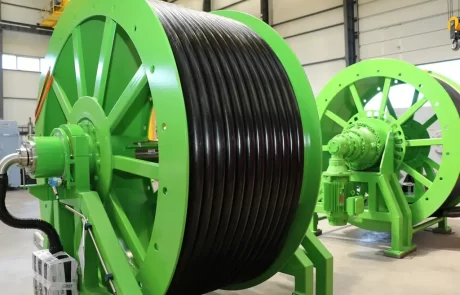
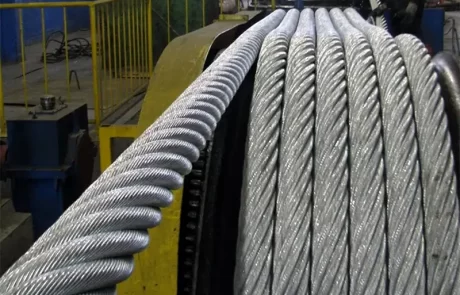
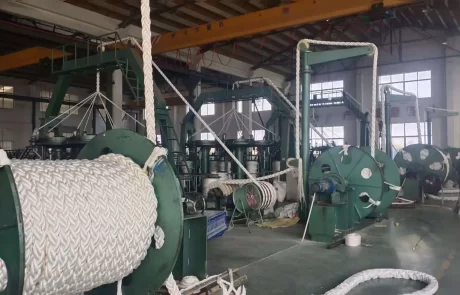
The mooring rope transfers the holding force between the vessel and the shore.
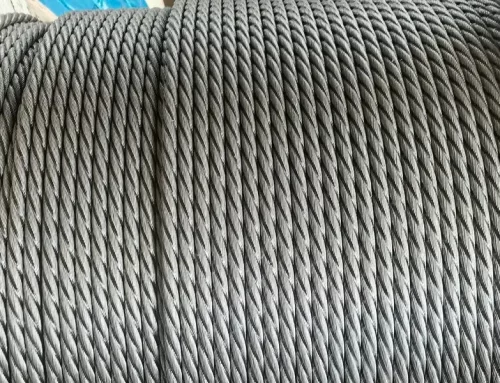
Depending on the application, operators may choose synthetic fiber rope for its lightweight handling or steel wire rope for heavy-duty applications.
The choice depends on vessel size, environmental conditions and operational requirements.
Quick release hooks are widely installed in oil terminals, LNG terminals and busy commercial ports.
They allow operators to release mooring lines quickly during emergencies while improving safety during routine operations.
Many systems also include load monitoring to help operators manage line tension more effectively.
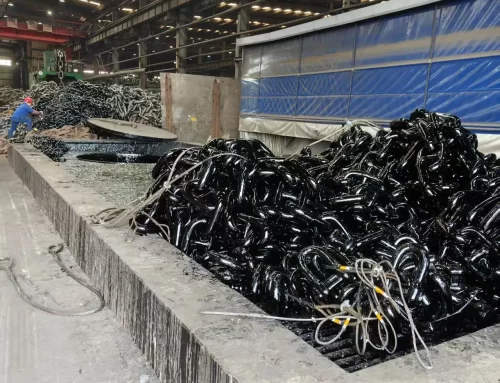
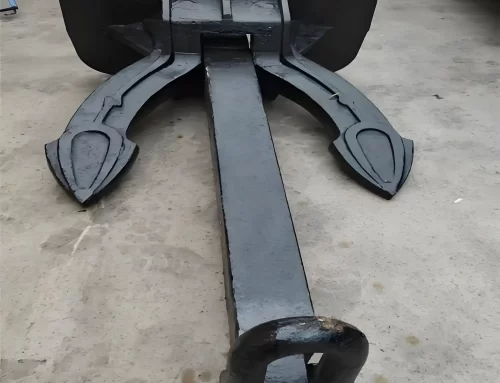
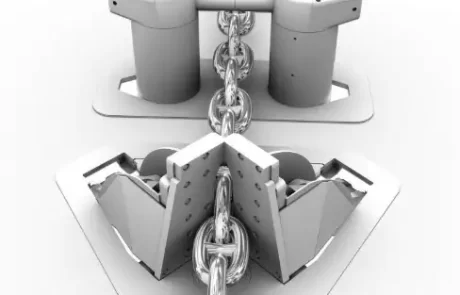
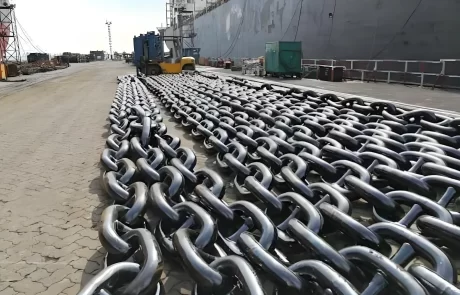
Where anchor chains are part of the mooring arrangement, a chain stopper helps transfer the load from the windlass or winch to the ship’s structure.
This reduces unnecessary stress on the winch during long periods of anchoring.
Why Component Matching Is Important
Selecting high-quality equipment is only part of the solution. Every component should also be compatible with the rest of the mooring system.
For example:
- The fairlead should match the rope diameter.
- The bollard should support the expected mooring load.
- The winch should provide suitable line pull.
- The rope should be compatible with the fairlead and drum.
When these components work together, the mooring system operates more safely and efficiently while reducing long-term maintenance costs.
A marine mooring system is more than a collection of individual products. It is an integrated solution where each component contributes to vessel safety and operational efficiency.
Understanding how these components work together helps shipowners, engineers and port operators select equipment that performs reliably in demanding marine environments.
FAQ
What are the main components of a mooring system?
A typical mooring system includes a mooring winch, bollard, fairlead, mooring rope, quick-release hook, and other supporting equipment depending on the application.
Why is a fairlead important?
A fairlead guides the mooring rope, reducing friction and helping extend the rope’s service life.
Can synthetic ropes be used in a mooring system?
Yes. Synthetic fiber ropes are widely used because they are lightweight, corrosion-resistant, and easy to handle.
How do I choose the right mooring equipment?
The selection should be based on vessel size, expected loads, operating environment and relevant marine standards.